Gut Health 101: Fermented Foods You Can Find Locally
From Fremantle Market kimchi to Inglewood deli shelves, Perth has more live-culture options than most locals realise.
3 min read
From Fremantle Market kimchi to Inglewood deli shelves, Perth has more live-culture options than most locals realise.
3 min read
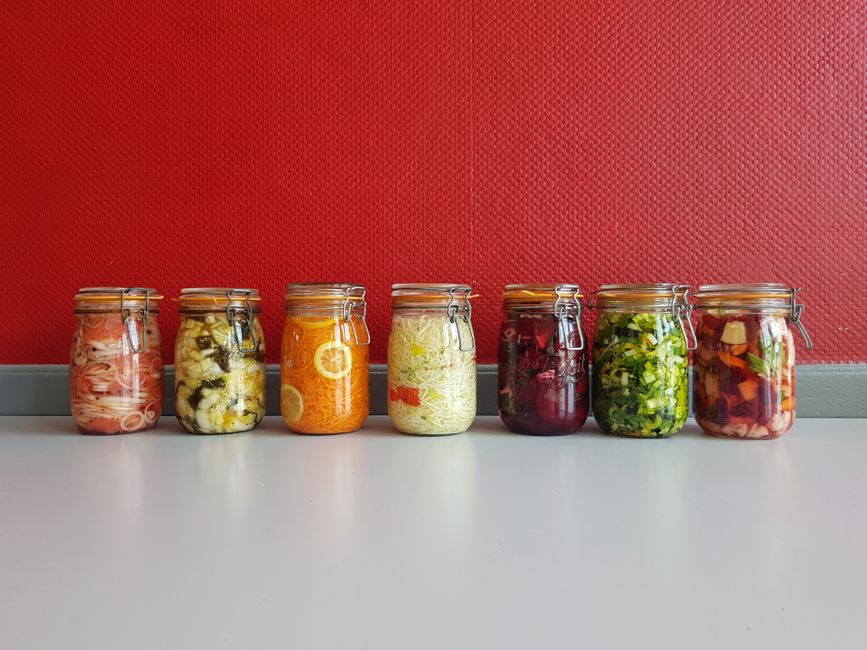
Australians are spending more than $1.2 billion a year on digestive health products, according to Euromonitor International figures from late 2025, and a growing slice of that spending is shifting away from capsule supplements toward whole fermented foods. Perth shoppers are part of that shift, and the city's producers and specialty grocers are quietly keeping pace.
The timing matters. Sydney's freakish winter heat — the warmest June on record since 1859 — has pushed climate-driven stress and inflammation back into the national health conversation. Nutritionists frequently point to a well-functioning gut microbiome as one of the body's core defences against stress-related inflammation, though the science is still developing. What is settled is simpler: regularly eating a variety of fermented foods introduces beneficial bacteria and may support digestive function over time. Consulting a GP or accredited practising dietitian before making significant dietary changes remains the sensible first step.
Fremantle Markets on South Terrace operates every Friday through Sunday and has become one of the more reliable spots in the metro area for small-batch fermented produce. At least three stalls there sell traditionally fermented sauerkraut and kimchi made locally, with 500g jars typically running between $12 and $16. The difference from supermarket versions matters: look for products in the refrigerated section with no vinegar listed in the ingredients — genuine lacto-fermentation relies on salt and time, not acid shortcuts.
Kakulas Brothers on William Street in Northbridge stocks one of the widest selections of fermented grains and legumes in the city, alongside miso paste sourced from Japanese producers. A 500g container of unpasteurised white miso sits around $9.50. Miso soup made with water kept below boiling preserves the live cultures that give it its gut-health reputation. The store has traded on William Street since 1929 and its bulk-food model means shoppers can buy small quantities of kefir grains to start their own batches at home for under $5.
For kombucha, Mundaring-based producer Buchi Kombucha distributes to independent grocers across the metro area including Herdsman Fresh in Herdsman and several outlets along Beaufort Street in Mount Lawley. A 330ml bottle retails at approximately $5.50. Kombucha's evidence base for specific health claims remains modest, but its low sugar content relative to soft drinks and the presence of organic acids make it a defensible swap for people trying to reduce ultra-processed drink consumption.
Not all fermented products on Perth's shelves are equal. Pasteurisation — required for long shelf life in many commercial products — kills the microorganisms that researchers associate with potential benefit. Checking for refrigerated storage and an active culture statement on the label is the quickest screen.
Yoghurt is arguably the most accessible entry point. Mundella Foods, a family dairy operation based in the Chittering Valley about 70 kilometres north of the CBD, produces a natural yoghurt widely available in Woolworths and Coles stores across Perth. At around $4.50 for 700g, it provides live Lactobacillus cultures without the premium price of boutique alternatives. Pairing a daily serve with high-fibre foods — think the legumes available in bulk at Kakulas or a banana from the Subiaco Farmers Market, which runs on Saturday mornings on Rokeby Road — feeds the bacteria rather than just delivering them.
Diversity is the practical goal. A 2022 Stanford University study published in Cell found that participants who ate a high-variety fermented diet over ten weeks showed measurable increases in microbiome diversity and reductions in certain inflammatory proteins. The research involved 36 adults and was relatively small, but it remains one of the more cited controlled trials in this area.
Perth's cooler July temperatures actually favour home fermentation — a consistent 18 to 20 degrees suits the lacto-fermentation of vegetables without refrigeration. Community organisations such as Milkwood Permaculture periodically run fermentation workshops, and the Stephanie Alexander Kitchen Garden Foundation runs school programs in the Perth metro area that introduce fermented foods to students from primary age. For adults wanting guided instruction, a number of cooking schools along the Stirling Street precinct in Northbridge have added gut-health focused classes to their 2026 winter schedules. Book ahead — several weekend sessions through August sold out within days of opening.
Spread the word
About this article
Published by The Daily Perth
Stay in the loop
Daily brief
Free, in your inbox before 7am. Weekdays.
The Daily Network — local news across Australia
More local news across Australia