Gut Health 101: Fermented Foods You Can Find Locally
From Fremantle markets to Northbridge delis, Perth's fermented food scene is quietly booming — and your microbiome might be the better for it.
3 min read
From Fremantle markets to Northbridge delis, Perth's fermented food scene is quietly booming — and your microbiome might be the better for it.
3 min read
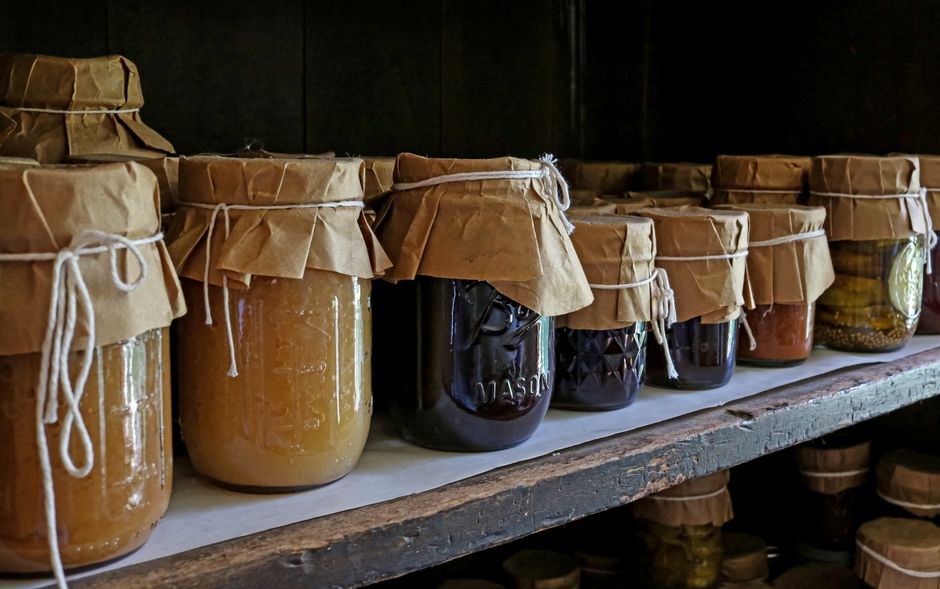
The science on gut health has shifted decisively in the past decade. Researchers at institutions including Monash University now link the trillions of bacteria living in the human digestive tract to everything from immune function to mood regulation — and fermented foods, once considered a niche dietary quirk, are sitting squarely at the centre of that conversation. Perth shoppers who know where to look can stock a gut-friendly pantry without much effort.
This matters particularly in winter. Colder months push people indoors, reduce incidental exercise along the Swan River paths and tend to coincide with higher rates of respiratory illness. Nutritional research published in the journal Cell in 2021 — still widely cited by dietitians — found that a diet high in fermented foods increased microbiome diversity and reduced 19 inflammatory proteins over a ten-week period. Diversity, in this context, is the goal. A more varied gut microbiome is generally considered a marker of better long-term health outcomes.
The Fremantle Markets on South Terrace remain one of the most reliable single stops for fermented staples. Stall holders there stock locally made sauerkraut, raw kombucha on tap, and Korean-style kimchi produced in small batches in the southern suburbs. Prices for a 500g jar of unpasteurised sauerkraut typically sit between $9 and $14, depending on the producer. The weekend crowds can be heavy, but the range justifies the trip.
Further north, Kakulas Brothers on Rokeby Road in Subiaco has stocked fermented and cultured products for decades — natural yoghurts, miso paste imported from Japan, and a rotating selection of brined olives and pickles. The shop is particularly useful for miso, which can run as cheap as $6 for a 300g tub and keeps for months in the refrigerator. Miso is often overlooked in Australian kitchens, but a tablespoon dissolved into warm broth delivers a solid hit of live Lactobacillus cultures, provided the liquid is not boiling, which would kill the bacteria.
The Boatshed Market in Cottesloe, on Napoleon Street, stocks a curated range of local kefir — both dairy and water-based varieties — alongside live-culture yoghurts from Margaret River producers. Kefir, a tangy fermented milk drink, typically contains between 12 and 61 distinct strains of bacteria and yeast depending on the grain culture used, according to the British Journal of Nutrition. A 500ml bottle at the Boatshed was retailing for around $8.50 as of late June 2026.
Starting slowly matters more than most people expect. Registered dietitians in Australia generally recommend introducing fermented foods incrementally — a tablespoon of kimchi with dinner rather than a full serve — because a rapid influx of new bacteria can cause temporary bloating and discomfort. The body adjusts within a week or two for most people.
Kefir works well blended into a morning smoothie. Miso paste stirs through roasted vegetable soups. Sauerkraut alongside a simple grain bowl is an easy weeknight addition. None of this requires a dramatic overhaul of how Perth families already cook. The practical entry point is substitution, not reinvention.
For anyone who wants to go further, fermentation workshops have been running periodically through the Edith Cowan University community programs in Joondalup, and the Perth City Farm on Henry Street in East Perth runs seasonal food-skills sessions that have included kimchi and sourdough making. Checking their event calendars heading into August is worthwhile as winter programming ramps up.
As always, people managing specific digestive conditions — including irritable bowel syndrome or inflammatory bowel disease — should speak with a gastroenterologist or accredited practising dietitian before making significant dietary changes. WACHS telehealth services can connect regional Western Australians with dietetic advice if local practitioners are unavailable. The gut is complex enough that one size rarely fits all.
Spread the word
About this article
Published by The Daily Perth
Stay in the loop
Daily brief
Free, in your inbox before 7am. Weekdays.
The Daily Network — local news across Australia
More local news across Australia