The Science Behind Mindfulness: What It Actually Does to the Brain
With Perth’s busy pace and rising stress levels, the surge in mindfulness practice raises questions: what concrete effects does it have inside our heads?
3 min read
With Perth’s busy pace and rising stress levels, the surge in mindfulness practice raises questions: what concrete effects does it have inside our heads?
3 min read
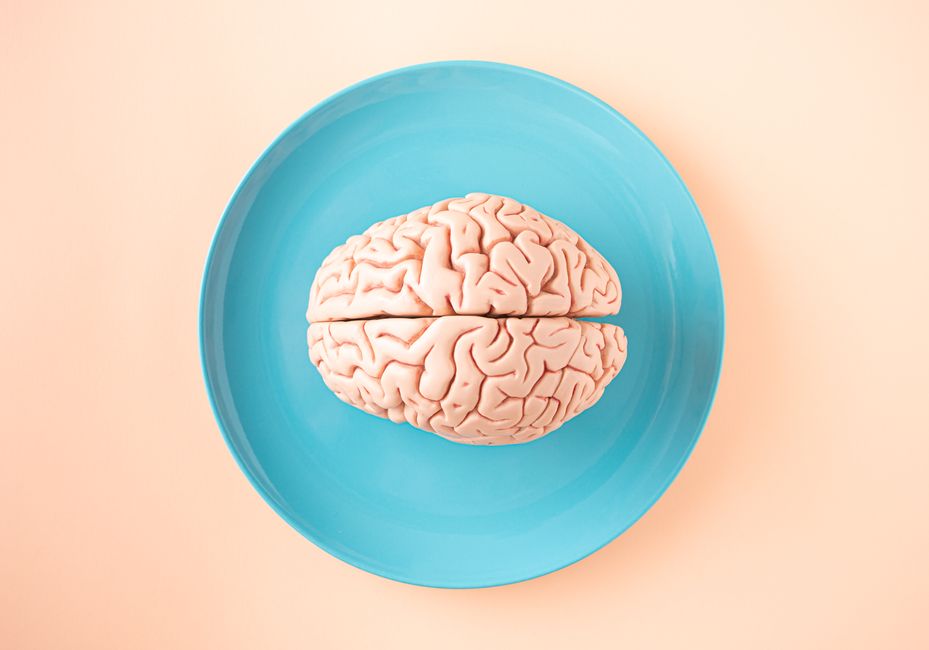
From the Swan River’s bike paths at sunrise to lunchtime classes in West Perth, mindfulness has moved from fringe trend to mainstream ritual for many locals — and scientists are finally pinning down what it really does to the brain.
The timing is no accident. Perth’s mental health services reported a 22% increase in anxiety-related outpatient visits from 2022 to 2025, according to the WA Department of Health. That’s not surprising when record-breaking national temperatures and economic uncertainty have combined to fray residents’ nerves. Scenarios like last month’s unseasonable 29°C day, and job stresses spilling over in CBD offices on St Georges Terrace, have left many searching for easy, affordable forms of relief.
At the base of Kings Park, Mindful in the Park — a grassroots group that runs free Saturday morning gatherings near Lotterywest Federation Walkway — regularly draws 60 to 80 participants. Their guided meditations aren’t just feel-good exercises. Curtin University neuroscientist Dr. Lila Sampson, whose lab collaborates with Perth Children’s Hospital on adolescent brain health, confirms that even short-term mindfulness can trigger measurable changes.
Research published in NATURE Reviews Neuroscience last year found that eight weeks of daily meditation increased the density of grey matter in the hippocampus (the region responsible for learning and memory) by an average of 5.1%. At City Beach’s Mindful Space studio, drop-in classes booked through Mindbody start at $20, and attendees often focus on short, accessible breathwork and scanning techniques.
Perth’s community programs aren’t limited to central suburbs, either. The WA Country Health Service (WACHS) has piloted breath-based mindfulness tools as part of its WACHS Wellbeing Approach, now rolled out in Geraldton and Mandurah clinics following promising audits — 67% of surveyed participants reported notable reductions in self-judgement and anxious rumination after a month.
So what are the precise neurological changes? Functional MRI scans, including those from University of Western Australia’s School of Psychological Science, show that consistent mindfulness practice dampens activity in the amygdala — the brain’s alarm system for stress and fear. In parallel, communication between the prefrontal cortex (associated with attention and regulation) and the amygdala becomes more efficient. That means regular mindfulness, whether it’s a ten-minute session by Matilda Bay or before work in Subiaco, can literally make your mind less reactive over time.
Perth-based psychiatrist Dr. Ada Young recommends mindfulness for her adult ADHD and anxiety patients, noting that improvements in emotional regulation are often visible within three weeks. That tallies with the clinical data, which registered reductions by up to 31% in reported daily stress scores (Perth Mindfulness Survey, 2025) after participants committed to a daily 12-minute session.
Getting started doesn’t require fancy gear or exclusive memberships. Mindful in the Park, for example, is donation-based, and WACHS’s online mindful breathing modules remain free for all WA residents. For those in private practice or seeking a guided experience, most Perth studios cap their group class fees around $20-$30 per visit — a fraction of talk therapy rates.
In the coming months, UWA’s Centre for Wellbeing plans to launch a pilot study tracking local university students’ brain scans before and after a six-week mindfulness intervention. Results should help clarify how age, gender and baseline stress interact with brain changes from meditation.
In the meantime, experts recommend setting aside even just five minutes — whether it’s seated among the tuarts in Kings Park or before a swim at Cottesloe — to focus on breath or sensation. Access remains as simple as stepping outside or logging onto a free program, and the research suggests that these small steps can reshape the brain for long-term calm.
Spread the word
About this article
Published by The Daily Perth
Stay in the loop
Daily brief
Free, in your inbox before 7am. Weekdays.
The Daily Network — local news across Australia
More local news across Australia