Screen time and sleep: what the research actually shows
Perth sleep experts separate fact from fiction about phones, tablets and bedtime—and the results might surprise you.
2 min read
Perth sleep experts separate fact from fiction about phones, tablets and bedtime—and the results might surprise you.
2 min read
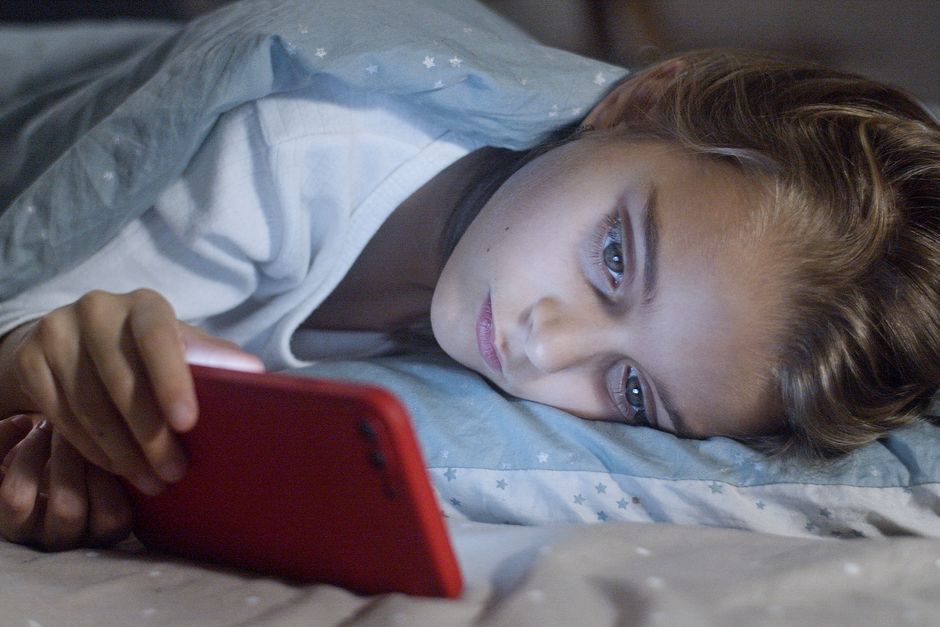
The narrative is everywhere: put your phone down an hour before bed, or sleep will suffer. But what does the research actually tell us about screen time and sleep quality? The answer, it turns out, is more nuanced than the wellness headlines suggest.
A growing body of peer-reviewed research indicates that the relationship between screens and sleep isn't simply about blue light exposure. While studies from institutions like the University of Western Australia have examined circadian rhythm disruption, the evidence points to *when* and *how* we use screens—not necessarily their mere presence—as the critical factor.
Dr Sarah Loughnan's 2022 research at the University of Melbourne found that passive scrolling 30 minutes before bed did correlate with poorer sleep onset. However, active engagement—such as video calls or reading—showed different patterns entirely. The culprit wasn't the light; it was cognitive arousal. Your brain, essentially, was too stimulated to wind down.
For Perth residents juggling work commitments in the CBD and evening leisure time, this distinction matters. You don't necessarily need to banish devices. Instead, consider what *type* of activity you're engaging in. A Slack message checking your work calendar at 10pm? Problematic. Listening to a podcast or guided meditation app with screen off? Less so.
The Australian Sleep Health Foundation recommends establishing a wind-down routine 30–60 minutes before bed—but crucially, this means low-stimulation activity, not screen abstinence alone. Many Perthians find success combining outdoor evening walks (the Kings Park 5km trails offer peaceful options) with device-free time, allowing both natural light exposure and mental decompression.
Temperature and light exposure matter too. Perth's long summer evenings mean natural daylight extends past 9pm—an advantage for circadian rhythm regulation if you're outside, but a challenge if you're indoors under artificial light. The research suggests prioritising afternoon or early evening outdoor time, whether that's a Swan River cycle or an Indian Ocean swim, over restricting screen time after dark.
The takeaway? Stop framing screens as sleep villains. Instead, audit your habits: Are you mindlessly scrolling, or actively engaged? Are you exposing yourself to natural light during the day? Is your bedroom temperature cool? These factors often outweigh the blue light debate.
For personalised sleep concerns, WACHS and local sleep clinics across Perth offer evidence-based assessment. The research supports flexibility—but it demands intentionality about what you're actually doing with those devices.
This article was compiled by AI and screened before publishing. See our editorial standards.
Spread the word
About this article
Published by The Daily Perth
Stay in the loop
Daily brief
Free, in your inbox before 7am. Weekdays.
The Daily Network — local news across Australia
More local news across Australia