Beyond the Butcher: Perth's Guide to Protein Sources That Aren't Meat
From local legumes to ocean-sourced alternatives, WA's food culture offers plenty of ways to meet your protein needs without relying on traditional animal flesh.
2 min read
From local legumes to ocean-sourced alternatives, WA's food culture offers plenty of ways to meet your protein needs without relying on traditional animal flesh.
2 min read
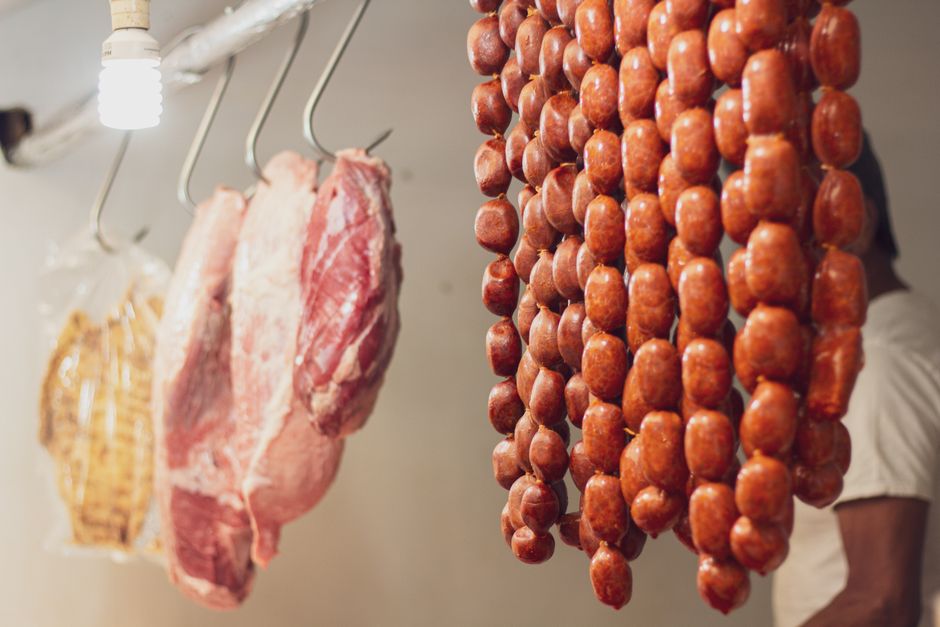
Perth's food landscape is shifting. While meat remains a staple at the dinner table, a growing number of locals are exploring protein-rich alternatives—whether for health, environmental, or ethical reasons. The good news? Our region's fresh produce markets, waterfront dining culture, and multicultural neighbourhoods make it easier than ever to diversify your protein intake.
Head to the Perth Farmers Market on Saturdays at Curtin University, and you'll spot vendors stocking locally grown chickpeas, lentils, and split peas—all budget-friendly staples that deliver 15–25 grams of protein per cooked cup. Legumes remain among the most affordable protein sources available, costing roughly $2–$4 per kilogram dried, making them accessible for families on any budget.
Our proximity to the Indian Ocean opens another avenue. Canned sardines and tinned tuna are protein powerhouses (around 25g per 100g), widely available at supermarkets across Northbridge and Mount Lawley. Fish-based meals twice weekly aligns with dietary guidelines and supports WA's sustainable seafood industry. For fresh options, the local fishing communities supply Perth's retailers with barramundi, whiting, and snapper—all excellent choices.
Don't overlook dairy and eggs. Local yoghurt from WA producers, cheese, and eggs from backyard keepers (increasingly common in suburbs like Cottesloe and Mosman Park) provide complete proteins with all nine essential amino acids. A single egg contains 6 grams of protein and costs less than 50 cents.
Plant-based alternatives have gained traction too. Tofu and tempeh, available at grocers throughout Subiaco and East Perth, offer 15–19 grams of protein per 100 grams. Nuts and seeds—almonds, pumpkin seeds, hemp seeds—work as portable snacks between beach swims at City Beach or long rides along the Swan River cycle paths.
The shift towards varied protein sources reflects changing attitudes. According to recent data, nearly 30 percent of Australians now actively reduce meat consumption, viewing it as part of broader wellness strategy rather than dietary restriction.
If you're considering significant dietary changes, consulting a dietitian through WACHS or local private practitioners ensures your approach meets your individual nutritional needs. Whether you're fuelling weekend parkruns at Kings Park or simply seeking sustainable eating habits, Perth's diverse food ecosystem supports protein diversity in countless ways.
This article was compiled by AI and screened before publishing. See our editorial standards.
Spread the word
About this article
Published by The Daily Perth
Stay in the loop
Daily brief
Free, in your inbox before 7am. Weekdays.
The Daily Network — local news across Australia
More local news across Australia