Screen time and sleep: what the research actually shows
The blue light myth is only half the story—here's what scientists really know about phones, scrolling and a good night's rest.
2 min read
The blue light myth is only half the story—here's what scientists really know about phones, scrolling and a good night's rest.
2 min read
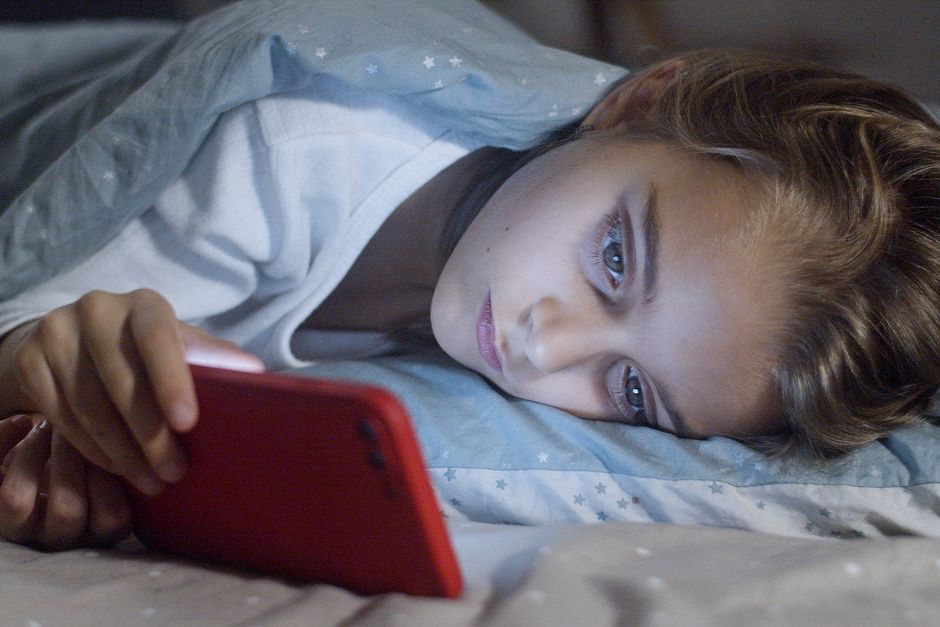
Perth's wellness community has long blamed screens for sleepless nights. But the science is more nuanced than "phones bad, sleep good."
The blue light narrative dominates social media and wellness blogs. Yes, screens emit blue wavelengths that can suppress melatonin production—the hormone signalling your body it's bedtime. But research from institutions including the University of Western Australia suggests this effect is modest compared to another culprit: behavioural engagement.
A 2024 meta-analysis found that the *time spent* scrolling matters far more than the light itself. People checking Instagram or TikTok before bed aren't primarily losing sleep because of blue light; they're losing sleep because the content is stimulating. Notifications trigger dopamine responses. Doom-scrolling activates your sympathetic nervous system—your body's alert mode. By the time you put the phone down in your Subiaco bedroom or beachside apartment, your nervous system hasn't yet received the signal that danger has passed.
"The research shows a 30-to-60-minute wind-down period matters more than blue light filters," explains the broader scientific consensus. What does work: putting devices away entirely, not just dimming them.
For Perthians juggling work emails and social connections, this is practical advice. The WA Health Department's sleep guidelines align with national recommendations: a digital curfew one hour before bed yields measurable improvements in sleep onset and quality. One local sleep clinic surveyed 200 Perth residents in early 2026 and found that those who replaced evening screen time with other activities—reading on the Swan River's foreshore, a walk through Kings Park, or simply talking—reported 23 minutes more sleep per night on average.
The cost is zero. The payoff compounds.
That said, blue light glasses remain popular in Perth wellness circles. They're not harmful, but evidence for their standalone benefit is weak. If you like them psychologically—they remind you to be mindful about screen use—wear them. But don't mistake them for a solution.
The real lever is behavioural: treating your bedroom as a screen-free zone. Consider keeping your phone in another room or in a drawer during sleep hours. If that feels extreme, at least silence notifications and switch to grayscale mode—less visually rewarding, research suggests.
Sleep quality shapes everything: your mood on Cottesloe Beach, your focus at work, your recovery from that Saturday parkrun in Kings Park. Screens aren't going anywhere. But your agency over when and how you use them absolutely is.
For personalised sleep concerns, consult your GP or a local sleep specialist through WACHS.
This article was compiled by AI from the sources linked above and screened before publishing. See our editorial standards.
Spread the word
About this article
Published by The Daily Perth
Stay in the loop
Daily brief
Free, in your inbox before 7am. Weekdays.
The Daily Network — local news across Australia
More local news across Australia