Cold water therapy and ice bath benefits explained
From muscle recovery to mental resilience, here's what the science says about cold immersion—and how Perth athletes are putting it into practice.
2 min read
From muscle recovery to mental resilience, here's what the science says about cold immersion—and how Perth athletes are putting it into practice.
2 min read
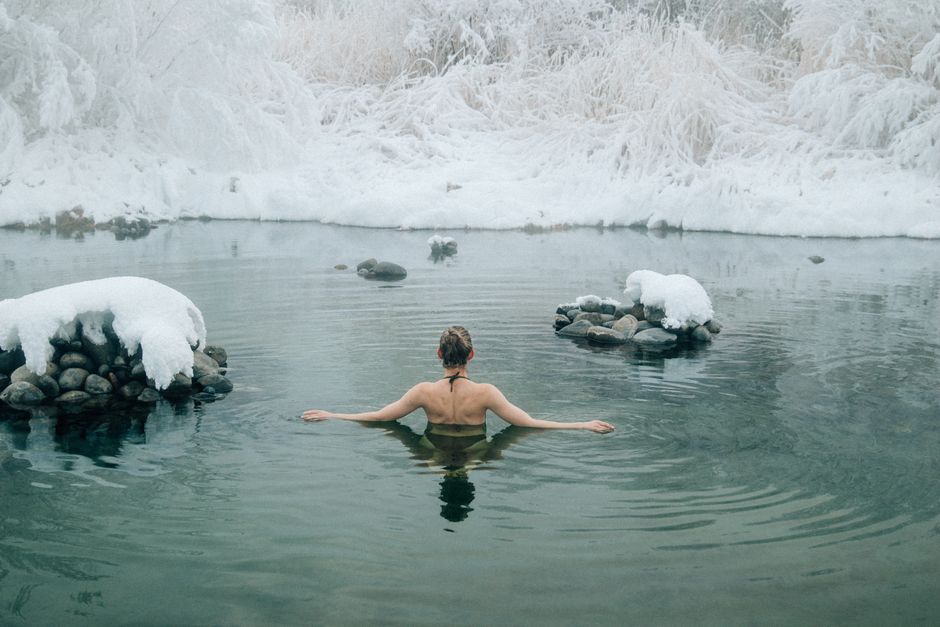
Cold water therapy has moved from fringe biohacking trend to mainstream wellness practice, with swimmers at City Beach and Scarborough taking the plunge year-round, and Perth's growing roster of ice bath studios charging $35–$50 per 10-minute session. But what does the evidence actually say?
Cold immersion—whether through ocean swims, ice baths, or cold showers—triggers the parasympathetic nervous system, the body's natural brake pedal. Within seconds of exposure, blood vessels constrict and heart rate increases; upon rewarming, the opposite happens, creating a mild cardiovascular workout. Regular practitioners report improved circulation, reduced inflammation, and faster recovery after intense exercise—particularly valuable for Perth's trail runners tackling the Kings Park 5km network.
The mental health angle is equally compelling. Repeated cold exposure builds stress tolerance and may elevate mood-regulating neurotransmitters. A 2023 study found participants who practised cold water immersion twice weekly showed measurable improvements in anxiety and sleep quality over eight weeks. For office workers in the Perth CBD, even a 30-second cold shower can reset focus and energy midday.
Muscle soreness and joint stiffness are where cold therapy shines. Endurance athletes—particularly those cycling the Swan River paths or swimming in the Indian Ocean—use ice immersion to reduce delayed-onset muscle soreness (DOMS) and accelerate protein synthesis. A 15-minute ice bath at 10–15°C can reduce inflammation by up to 30% in the hours following high-intensity training.
However, cold water therapy isn't risk-free. Sudden immersion can trigger gasping reflexes and temporarily raise blood pressure—a concern for anyone with cardiovascular conditions. WACHS recommends consulting your GP before starting cold immersion, particularly if you have hypertension, heart disease, or Raynaud's syndrome.
Smart protocols matter. Beginners should start with 30-second exposures in moderately cool water (15–18°C) before progressing to true ice baths. Avoid immersion on an empty stomach or immediately post-workout; instead, wait 30 minutes, hydrate, and warm up gradually afterward. Never immerse your head.
Perth's natural advantage is year-round ocean access. Cottesloe and City Beach swimmers have embraced winter ocean immersion as a gentler, cost-free alternative to ice studios—water temperatures hover around 16–18°C in Perth's cooler months, providing therapeutic cold exposure without equipment.
The takeaway: cold water therapy delivers measurable benefits for recovery, circulation, and resilience. Start conservatively, listen to your body, and consult a local GP if you have underlying health concerns. For most Perth residents, a weekly cold ocean swim or brief cold shower is a low-risk way to tap into genuine physiological gains.
This article was compiled by AI from the sources linked above and screened before publishing. See our editorial standards.
Spread the word
About this article
Published by The Daily Perth
Stay in the loop
Daily brief
Free, in your inbox before 7am. Weekdays.
The Daily Network — local news across Australia
More local news across Australia