Hydration in the local climate: how much and what to drink
As Perth's winter temperatures climb and summer approaches, understanding your fluid intake could be the difference between thriving and burning out.
2 min read
As Perth's winter temperatures climb and summer approaches, understanding your fluid intake could be the difference between thriving and burning out.
2 min read
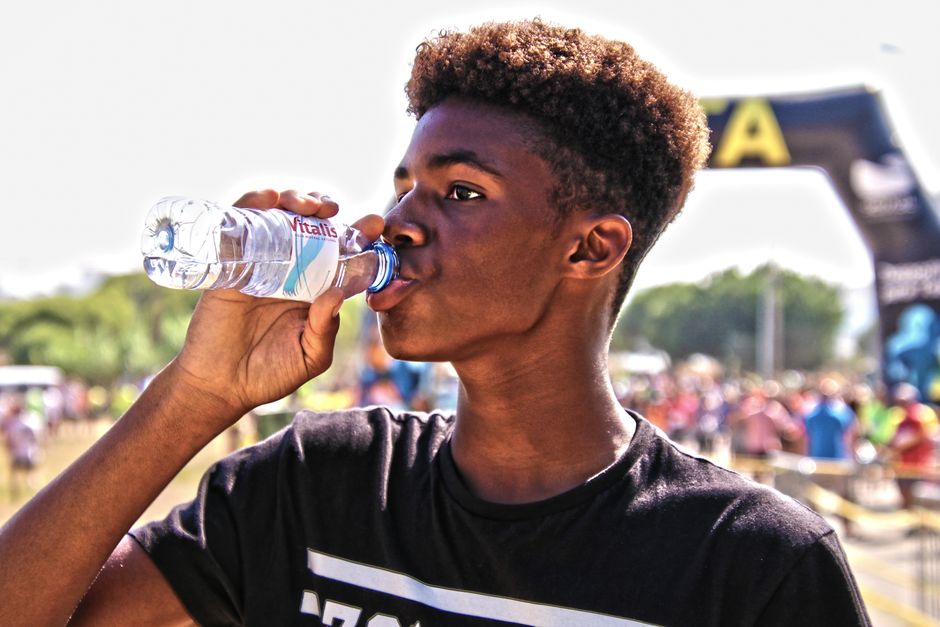
Perth's Mediterranean climate is a gift for outdoor lovers—but it's also unforgiving. With average summer temperatures hovering around 29°C and the Indian Ocean breeze doing little to cool the midday heat, hydration isn't optional; it's essential.
The question isn't whether you need to drink more in Perth. It's how much, and what.
General guidelines suggest around 2–3 litres of water daily for most adults, but that's a baseline. In our climate, especially if you're among the growing number of people tackling the Kings Park 5km trails on Saturday mornings or swimming at Cottesloe or City Beach, you'll need significantly more. "Aim for half your body weight in ounces daily, then add 16–24 ounces for every 30 minutes of activity," says most sports nutrition advice—but locals often underestimate Perth's heat impact.
The honest truth: by the time you feel thirsty, you're already mildly dehydrated. Thirst is a lagging indicator in hot climates.
What should you drink? Water remains king, and it's cheap—around $2–3 for a 600ml bottle at most Perth cafés from Northbridge to Subiaco. But if you're exercising beyond 60 minutes, plain water alone doesn't cut it. Sports drinks containing 4–8% carbohydrates and electrolytes (sodium and potassium) help your body absorb fluid faster and maintain performance. A 500ml bottle of commercial sports drink costs $3–5 here, though homemade versions—mixing one litre of water, 6 teaspoons sugar, and half a teaspoon salt—work just as well and cost pennies.
Coconut water has become trendy in Perth wellness circles, offering natural electrolytes at around $4–5 per 250ml carton. It's hydrating but higher in calories than sports drinks—useful post-exercise, less ideal during activity.
Coffee and tea count toward hydration despite caffeine's mild diuretic effect, though they're not ideal during outdoor exercise. Avoid sugary soft drinks; the quick spike and crash work against you in sustained activity.
Timing matters. Before a Kings Park parkrun or Swan River cycle, drink 400–600ml of fluid two to three hours beforehand, then another 200–300ml about 20 minutes before starting. During activity, aim for 150–250ml every 15–20 minutes. After exercise, drink 150% of any fluid lost through sweat over the next four hours—roughly one-and-a-half litres for every kilogram lost.
Watch for signs of dehydration: dark urine, dizziness, or fatigue persisting beyond normal tiredness. If symptoms worsen, consult your GP or visit a local WACHS service.
Perth's climate rewards preparation. Hydrate smartly, and you'll get far more out of our incredible outdoor spaces.
This article was compiled by AI from the sources linked above and screened before publishing. See our editorial standards.
Spread the word
About this article
Published by The Daily Perth
Stay in the loop
Daily brief
Free, in your inbox before 7am. Weekdays.
The Daily Network — local news across Australia
More local news across Australia