Perth's Tech Talent Reshapes Coworking Culture Away From Cubicles
As major tech companies expand remote policies, Perth's startup ecosystem is reshaping office space around collaboration, not cubicles.
2 min read
As major tech companies expand remote policies, Perth's startup ecosystem is reshaping office space around collaboration, not cubicles.
2 min read
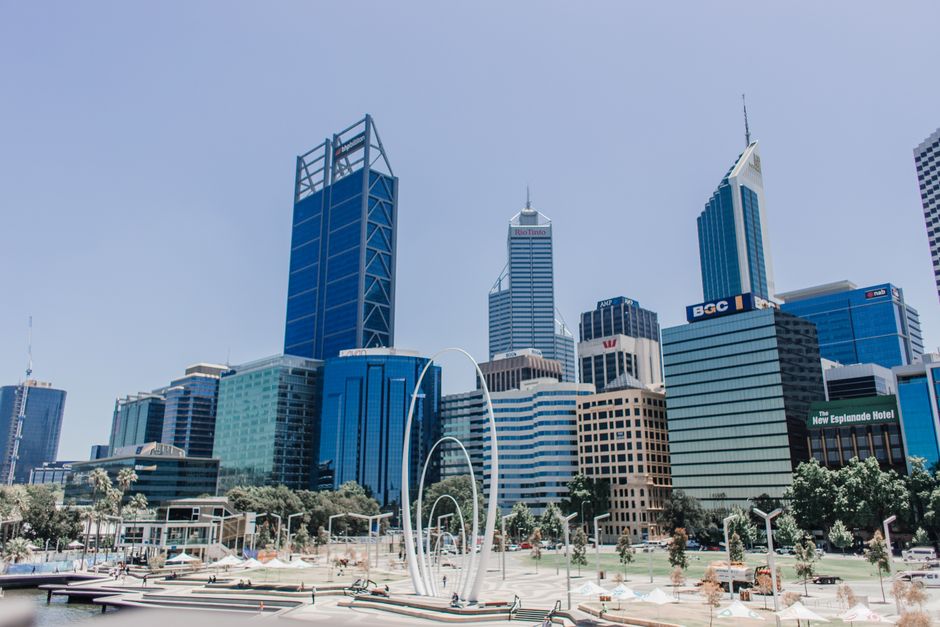
Perth's tech corridor is experiencing a quiet revolution in how work gets done. Walk through Northbridge on any given Tuesday and you'll notice something unmistakable: the neighbourhood's warehouse conversions and heritage buildings that once housed traditional offices are now buzzing with hybrid teams, freelancers, and startup founders hunched over laptops in shared spaces.
The shift reflects a broader pattern emerging across Perth's tech and startup scene. While major technology companies globally are grappling with return-to-office mandates, local operators are taking a different approach, designing spaces that assume remote work as the default and coworking as the exception—not the other way around.
Inner-city precincts like East Perth and South Perth have become particularly attractive for this model. A recent survey of Perth's startup community suggests that 72% of tech workers now spend at least two days per week working remotely, a significant increase from pre-pandemic patterns. More tellingly, 68% of respondents said they would change jobs if forced into full-time office arrangements.
Space operators have responded accordingly. Flexible desk rates in premium Perth coworking venues now range from $15 to $25 per day, with dedicated desks running $300-$500 monthly—competitive with Sydney and Melbourne, but with considerably lower overhead for founders bootstrapping early-stage ventures. Several established operators have expanded footprints across the CBD and into emerging hubs like Vic Park and Como.
What's driving this isn't just pandemic legacy. Perth's distributed geography—with talent spread across suburbs from Fremantle to the northern corridors—makes concentrated office arrangements impractical for many organisations. Technology infrastructure improvements and normalisation of asynchronous work among developers and designers has made remote-first operations genuinely feasible.
The broader implications are already visible. Property managers along St Georges Terrace and around the Perth Convention and Exhibition Centre report increased inquiry from companies seeking smaller, more flexible office footprints rather than multi-year leases on sprawling floors. Meanwhile, coworking operators report their strongest membership growth among software engineers and digital product teams—the very talent pools driving Perth's tech sector expansion.
For Perth's startup ecosystem, the message is clear: the future of work here won't be retrofitted to match how things operated in 2019. Instead, local operators are building infrastructure around how their teams actually want to work—together when it matters, distributed when it doesn't. That flexibility may ultimately prove Perth's advantage in competing for and retaining tech talent in an increasingly crowded national landscape.
This article was compiled by AI and screened before publishing. See our editorial standards.
Spread the word
About this article
Published by The Daily Perth
Stay in the loop
Daily brief
Free, in your inbox before 7am. Weekdays.
The Daily Network — local news across Australia
More local news across Australia