Perth startups build civic tech solutions as councils modernize infrastructure
Local entrepreneurs are racing to fill the gap between ambitious smart city visions and the reality of aging government infrastructure.
2 min read
Local entrepreneurs are racing to fill the gap between ambitious smart city visions and the reality of aging government infrastructure.
2 min read
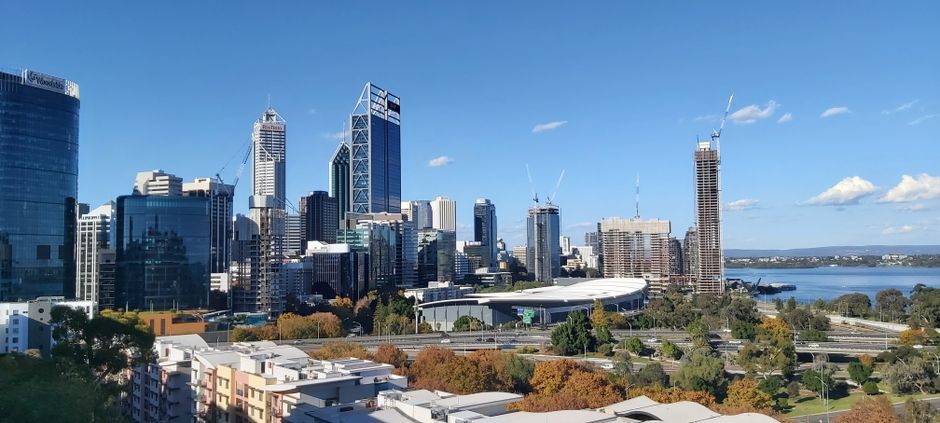
Perth's tech corridor is experiencing a sharp reorientation this year, with an increasing number of startups targeting local government and civic infrastructure rather than the consumer-facing apps that dominated the scene five years ago. The shift reflects both opportunity and frustration: while the City of Perth and surrounding councils have committed to digital transformation, many are struggling with legacy systems, budget constraints, and the complexity of modernising operations at scale.
Around East Perth's growing tech hub near Crown Street, several early-stage companies have emerged focused specifically on gov tech solutions. One boutique firm is developing integrated asset management software for water and waste infrastructure—a market gap that became apparent when multiple councils across the metropolitan area faced similar digitalisation challenges simultaneously. Another is building planning approval workflows designed specifically for Australian local government compliance frameworks, a niche that had been largely overlooked by international software vendors.
"There's genuine demand here," says the ecosystem coordinator at one of East Perth's co-working spaces, where at least a dozen civic-focused startups now maintain operations. "Councils have budgets for digital transformation, but they're often locked into ten-year contracts with vendors who aren't agile enough to adapt."
The Western Australian government has played a supporting role. In late 2025, the Department of Jobs, Tourism, Science and Innovation earmarked A$2.8 million in grants for startups addressing government efficiency challenges. This funding round attracted 147 applications, of which 12 were approved—a competitive rate that signalled serious intent from founders across the state.
Challenges remain. Government procurement is notoriously slow, with contract negotiations sometimes spanning 18 months. Founders report frustration with risk-averse decision-making and the difficulty of selling to councils stretched across multiple departments with siloed budgets. Yet several startups have already secured initial pilots with regional councils, with terms typically ranging from A$50,000 to A$200,000 annually—modest but viable revenue for bootstrapped teams.
The broader trend aligns with conversations happening globally about urban resilience and citizen services, though Perth's iteration is distinctly local. Smart sensors tracking parking availability on St Georges Terrace, or real-time pothole reporting integrated into council maintenance systems, may lack the glamour of venture-backed fintech, but they address genuine operational pain points that affect thousands of residents daily.
As established tech companies concentrate in Northbridge and the CBD, this emerging civic tech cluster in East Perth represents a quieter but potentially more durable economic development play—one grounded in solving the unglamorous but essential work of keeping cities functional.
This article was compiled by AI and screened before publishing. See our editorial standards.
Spread the word
About this article
Published by The Daily Perth
Stay in the loop
Daily brief
Free, in your inbox before 7am. Weekdays.
The Daily Network — local news across Australia
More local news across Australia