Perth Smart City Technology 2027: IoT Expansion Plan
Perth's digital transformation accelerates with IoT sensor expansion across CBD and inner suburbs. Real-time traffic management platform aims to reduce congestion 12-15% by 2027.
2 min read
Perth's digital transformation accelerates with IoT sensor expansion across CBD and inner suburbs. Real-time traffic management platform aims to reduce congestion 12-15% by 2027.
2 min read
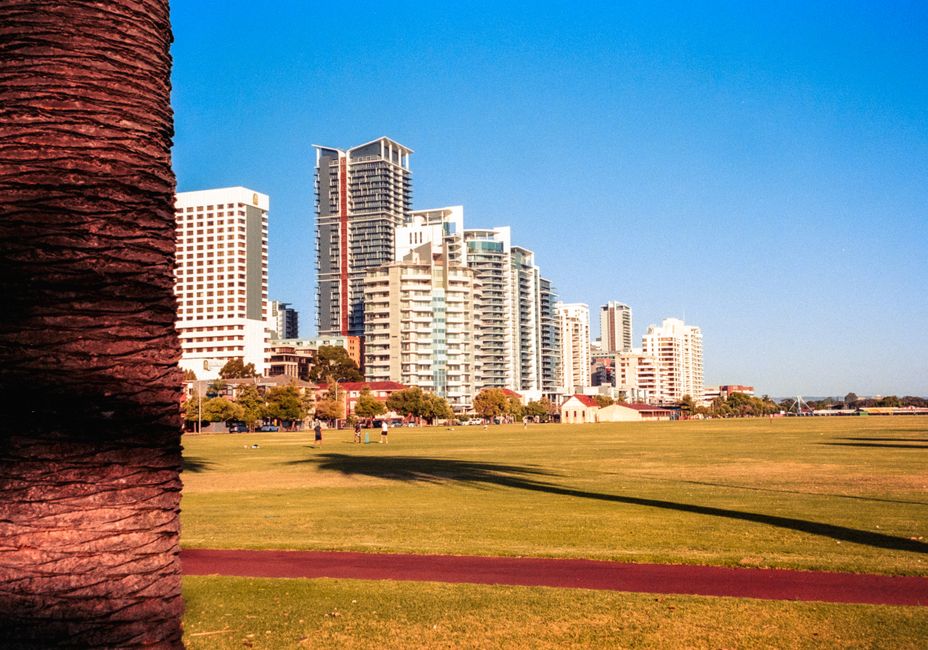
Perth's digital transformation ambitions are accelerating. Following a decade of incremental smart city initiatives, local government bodies and tech partners are now mapping out a second generation of projects designed to reshape how the city operates, from Kings Park to Fremantle Port.
The City of Perth has signalled plans to expand its Internet of Things (IoT) sensor network across the CBD and inner suburbs by 2027. Currently, around 300 sensors monitor parking availability and pedestrian traffic along key corridors including Hay Street and St Georges Terrace. The expanded rollout could quadruple that number, feeding real-time data into a unified traffic management platform. Officials estimate the project could reduce congestion by 12-15 percent and save commuters approximately 2.3 million vehicle hours annually.
But smart roads are only part of the picture. Greater Perth councils are collaborating on an integrated citizen services platform launching in phases through 2026 and 2027. Rather than juggling separate portals for rates, permits, and library services, residents will soon access everything through a single dashboard. Early adopters in Subiaco have reported 34 percent faster processing times for development applications.
Meanwhile, the Western Australian Department of Water and Sanitation is piloting AI-driven water management systems across metro suburbs. Predictive analytics tools aim to identify leaks before pipes rupture, potentially saving the state $18 million annually in emergency repairs. Trials in Perth's southern suburbs have already flagged critical issues months in advance.
Energy infrastructure is another frontier. Distributed energy resource management systems, currently being tested at Curtin University's Bentley campus, could soon allow households across the metro area to participate in a sophisticated grid-balancing network. Private developers are watching closely—residential projects in South Perth and Nedlands have already secured funding for smart microgrid installations.
Yet challenges loom. Legacy systems in some councils remain incompatible with modern platforms, creating integration bottlenecks. Budget constraints mean some regional initiatives have been deferred. There's also the thorny question of data governance: public trust in smart city initiatives hinges on transparent privacy frameworks, an area where Perth lags slightly behind Melbourne and Sydney counterparts.
The next 18 months will be crucial. If projects stay on schedule and funding holds, Perth could position itself as Australia's most comprehensively integrated smart city by 2028. If timelines slip—as many government tech projects do—momentum could stall. For now, the roadmap is ambitious. Delivering on it remains the real test.
This article was compiled by AI and screened before publishing. See our editorial standards.
Spread the word
About this article
Published by The Daily Perth
Stay in the loop
Daily brief
Free, in your inbox before 7am. Weekdays.
The Daily Network — local news across Australia
More local news across Australia