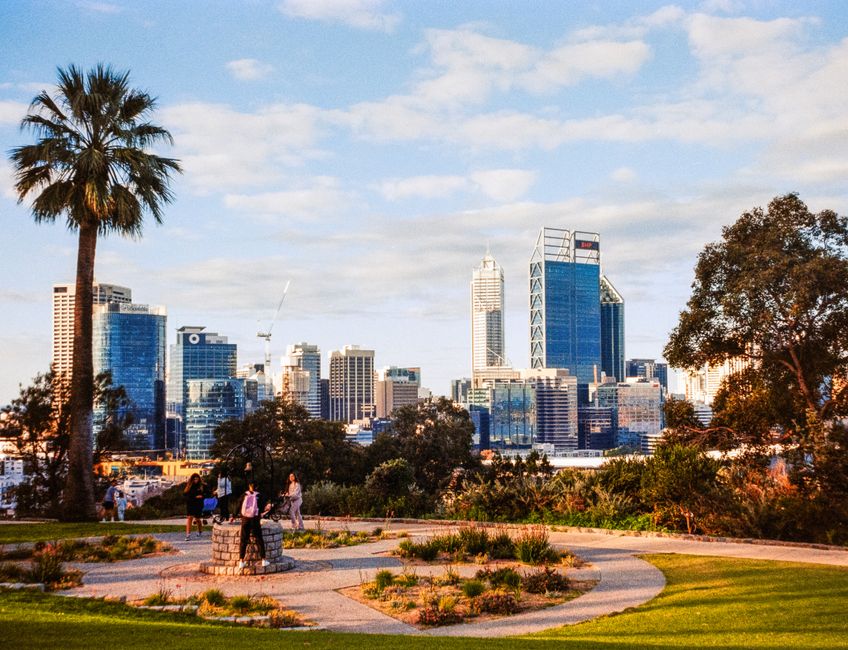
Perth has quietly become one of the world's most distinctive fintech hubs, and it's not by accident. While Silicon Valley and London dominate headlines, this Western Australian city is carving out something genuinely different: a financial technology ecosystem built on the foundations of resource wealth, geographic advantage, and a willingness to experiment that larger financial centres struggle to match.
The numbers tell part of the story. Perth's fintech sector has grown 34% annually over the past three years, with over 120 active startups now clustered primarily around the CBD and emerging innovation precincts. But raw growth figures miss what makes this city's approach distinctive globally.
Unlike traditional financial hubs, Perth's fintech boom is deeply rooted in solving real problems for its core economic engine: resources and commodities. Companies operating from Barrack Street to Northbridge aren't just building generic payment apps. They're developing blockchain solutions for supply chain transparency in mining, cross-border settlement systems for resource traders, and digital currencies designed specifically for commodity trading. This sector-specific focus gives Perth fintech startups built-in use cases that many competitors globally lack.
Geography has proven to be unexpected advantage. Positioned between Asian and European time zones, Perth-based fintech firms operate naturally as bridges in 24-hour global financial markets. Several local companies have leveraged this positioning to become critical infrastructure for regional transactions, something that would be difficult to replicate for a startup in London or New York.
The regulatory environment deserves credit too. Australian Securities and Investments Authority (ASIC) has embraced a relatively progressive approach to fintech licensing, particularly around sandbox arrangements. Perth-based entrepreneurs report faster approval timelines and more collaborative engagement with regulators compared to traditional finance capitals—a competitive advantage that's difficult to overstate for early-stage ventures.
Real estate costs, while rising, remain a fraction of comparable spaces in Sydney or Melbourne. A 200-square-metre startup office in East Perth runs roughly $3,000-$4,000 monthly, compared to $8,000+ in Sydney's CBD. This economic efficiency means Perth fintech founders can extend runway, experiment longer, and fail faster without the crushing overhead burden.
The talent pool, historically Perth's weakness, has shifted. Universities and vocational institutions have ramped up digital finance training, while established tech companies like Atlassian's growing presence has elevated the city's profile. Recruitment remains competitive but no longer prohibitively difficult.
What truly distinguishes Perth, however, is cultural. This city's fintech community remains collaborative rather than cutthroat. Co-working spaces on St Georges Terrace and Pier Street host regular founder meetups where competitors openly share challenges. That collaborative ethos—uncommon in more competitive ecosystems—breeds innovation differently.
As global fintech matures, Perth's distinctive ingredients—resource-sector expertise, geographic positioning, regulatory nimbleness, and genuine collaboration—position it not as a copycat financial centre, but as something rarer: an ecosystem solving problems that matter to the world's actual economy.
This article was compiled by AI from the sources linked above and screened before publishing. See our editorial standards.