CityFlow AI: The Perth startup quietly reshaping how councils manage urban congestion
A tech firm based in Northbridge is delivering real-time traffic intelligence to local governments across Western Australia—and just landed a $4.2 million contract with the City of Perth.
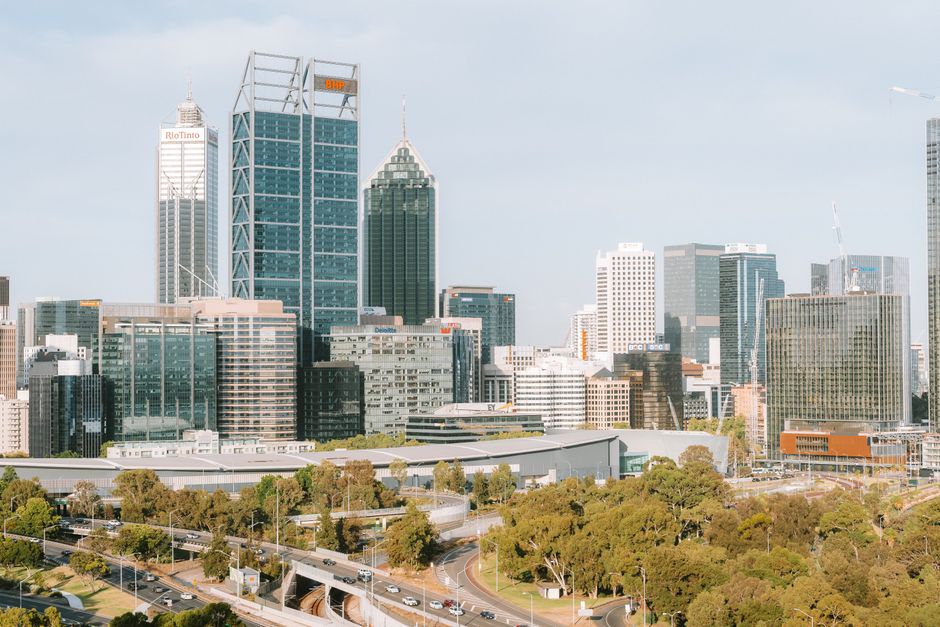
When Perth's transport planners gather in their offices overlooking the Scrivener Building, they're increasingly relying on software built just kilometres away in Northbridge. CityFlow AI, a three-year-old startup, has become an unexpected player in the city's digital transformation, offering councils a platform that predicts traffic bottlenecks before they happen.
The company's breakthrough came in late 2024 when the City of Perth awarded it a major contract to overhaul traffic management across the CBD and surrounding suburbs. By integrating anonymous mobile phone data, IoT sensors embedded in roads, and machine learning algorithms, CityFlow's system has reduced average commute times by 12% on key routes like St Georges Terrace and the Mitchell Freeway approach—early results that have attracted attention from local government bodies across the state.
"Digital transformation in government isn't about flashy tech," says the company's approach in its published materials. "It's about solving real problems for real people." For Perth, that means fewer gridlocked intersections, better public transport coordination, and data-driven decisions on where to invest infrastructure spending.
Advertisement
The contract is worth $4.2 million over four years, according to council procurement documents, with potential extensions if performance targets are met. It represents a significant win for Perth's growing govtech sector, which has struggled to compete with larger innovation hubs on Australia's east coast.
CityFlow's platform integrates with existing council systems, avoiding the costly overhauls that plague many digital initiatives. The startup has also partnered with local universities to develop predictive models specific to Perth's unique geography—the sprawl, the river crossings, the seasonal traffic patterns around major events at venues like RAC Arena.
The success reflects a broader shift in how Australian cities approach smart city development. Rather than waiting for federal funding or overseas vendors, councils are increasingly backing homegrown solutions that understand local context. Across the river in East Perth and South Perth, preliminary discussions are underway about expanding the platform to cover suburban networks.
For tech workers and entrepreneurs watching Perth's ecosystem mature, CityFlow's trajectory offers an encouraging signal. A company built by locals, solving problems locals face, backed by institutions that understand those problems intimately. That formula, it seems, is finally paying dividends in a city ready to think differently about its infrastructure challenges.
This article was compiled by AI from the sources linked above and screened before publishing. See our editorial standards.