Perth's Coworking Boom: How Venture Capital is Reshaping the Future of Work
Millions in funding are pouring into Perth's flexible workspace sector, transforming inner-city precincts and challenging traditional office culture.
2 min read
Millions in funding are pouring into Perth's flexible workspace sector, transforming inner-city precincts and challenging traditional office culture.
2 min read
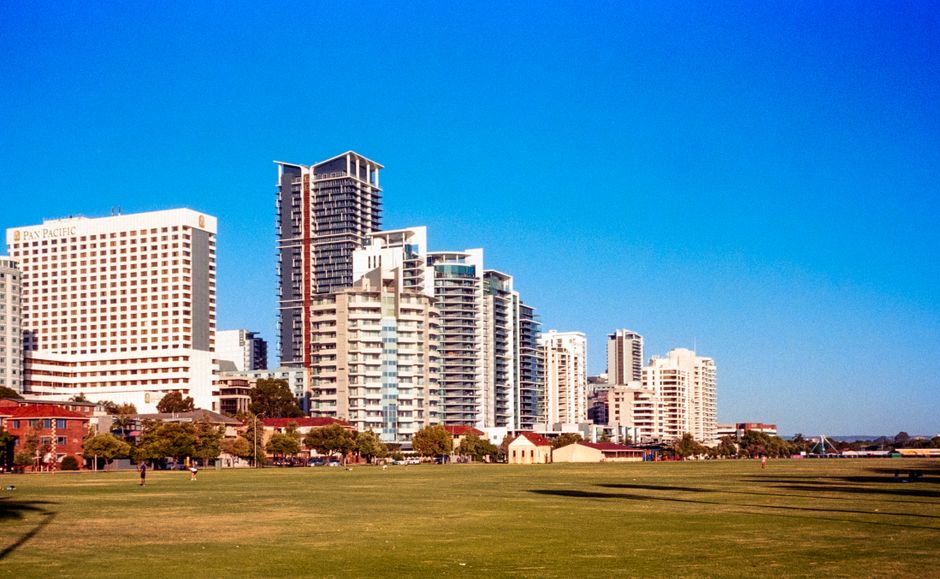
Perth's remote work revolution is backed by serious money. Over the past three years, flexible workspace operators have secured more than $47 million in venture capital targeting the Western Australian market, signalling investor confidence in a fundamental shift away from traditional corporate offices.
The trend is most visible in established business hubs. Subiaco's technology quarter—anchored by King Street and Rokeby Road—has seen four new coworking facilities launch since 2024, each targeting the growing cohort of freelancers, startups, and distributed teams seeking alternatives to long-term leases. Similarly, East Perth's emerging creative precinct along Causeway Street has attracted two major operators this year, with occupancy rates reportedly exceeding 78 percent.
"What we're seeing is a complete restructuring of commercial real estate demand," explains the trend in Perth's business landscape. Smaller operators report waiting lists, while established players continue expanding. Monthly hot-desk rates in premium locations like Northbridge now range from $199 to $349—still significantly cheaper than traditional CBD office space at $400-plus per month.
The investment wave reflects broader economic reality. Remote work adoption in Perth has plateaued at roughly 34 percent of the workforce, according to recent ABS data, while hybrid models dominate. This stability has attracted institutional capital. Earlier this year, a Melbourne-based venture fund committed $12 million exclusively to Western Australian coworking infrastructure, betting that Perth's geographic isolation and booming resources sector create unique demand.
Funding also fuels amenities competition. Operators now offer childcare integration, mental health support services, and industry-specific networking events—features virtually absent five years ago. One Nedlands-based operator recently raised $2.8 million specifically to add wellness facilities and expanded meeting rooms.
However, growth comes with caution flags. Oversupply concerns are emerging in secondary locations. Several smaller operators in Cannington and Osborne Park have reported declining occupancy since late 2025, suggesting market consolidation ahead.
Perth's venture community views the sector optimistically. Local innovation hubs report that approximately 23 percent of early-stage funded startups now operate from coworking spaces rather than traditional offices—a strategic shift that reduces overhead and enables faster scaling.
For landlords managing aging commercial stock, particularly along Wellington Street and around the CBD fringe, coworking partnerships represent a lifeline. Conversion projects are underway at several heritage properties, blending adaptive reuse with modern workplace flexibility.
As this capital-driven transformation accelerates, Perth's workspace landscape will likely splinter further: premium, connected hubs in inner suburbs; budget-friendly alternatives in emerging precincts; and traditional offices serving specific corporate needs. The real question isn't whether coworking stays, but which operators survive consolidation.
This article was compiled by AI from the sources linked above and screened before publishing. See our editorial standards.
Spread the word
About this article
Published by The Daily Perth
Stay in the loop
Daily brief
Free, in your inbox before 7am. Weekdays.
The Daily Network — local news across Australia
More local news across Australia