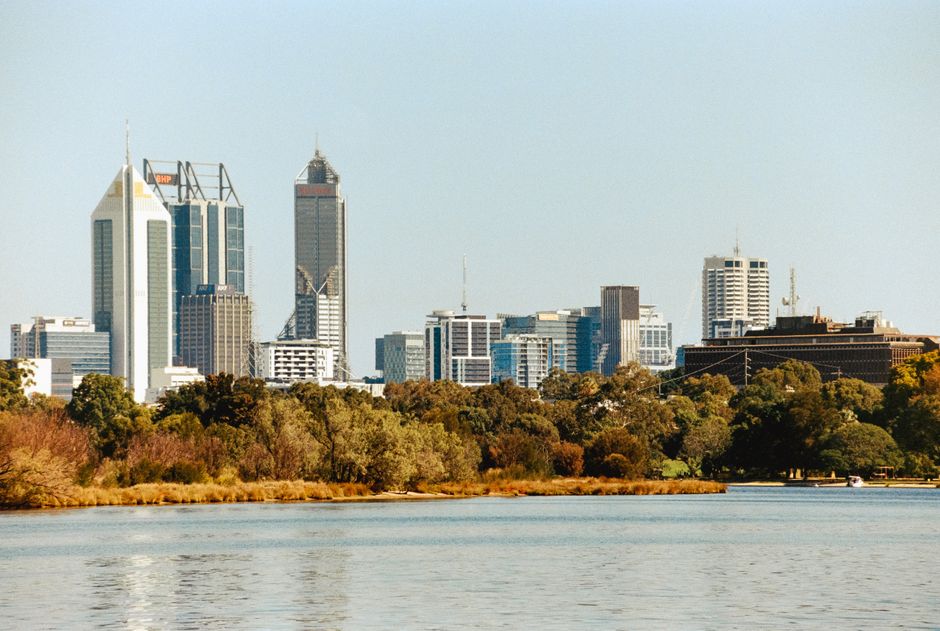
Perth's digital transformation story reads differently from the Silicon Valley playbook that dominates global smart city discourse. While tech hubs from Singapore to Barcelona chase the same vendors and frameworks, Western Australia's capital is carving a distinctive path—one rooted in its unique position as a resource-rich city with deep engineering expertise and a willingness to experiment at scale.
The city's tech ecosystem has quietly become a testing ground for government digital services. The Perth City Council's recent infrastructure initiatives—from smart water management across the Swan River catchment to integrated transport systems linking the CBD with outer suburbs like Armadale and Joondalup—reflect a pragmatic approach that prioritises solving real problems over accumulating technology for its own sake.
"What separates Perth is the integration between legacy industrial systems and emerging digital infrastructure," says the local tech community, where enterprises like those clustered around the Perth Innovation District increasingly bridge mining automation expertise with urban digital solutions. This crossover isn't coincidental. Perth's decades-long relationship with remote operation centres—vital for managing mines across the Pilbara—created a skilled workforce comfortable with distributed systems, sensor networks, and real-time data management at scale.
The numbers reflect this momentum. The Western Australian government's digital transformation budget has exceeded $200 million since 2023, with significant investment in e-services, data integration platforms, and citizen-facing applications. Local firms bidding on these contracts bring operational discipline forged in resource sector work.
Geography amplifies Perth's distinctiveness. As one of the world's most isolated major cities, nearly 2,000 kilometres from Melbourne, digital government isn't an optional efficiency gain—it's essential infrastructure. This isolation has forced the city to develop robust, resilient systems that can't rely on proximity to interstate support networks. Services must work reliably, consistently, and with minimal external dependencies.
Cultural factors matter too. Perth's tech scene operates with less venture capital intoxication than eastern Australian cities, meaning longer-term thinking about sustainability and civic value. The recent emergence of government tech meetups along St Georges Terrace and at venues like Spacecubed reflects growing momentum, yet the city maintains a collaborative rather than competitive ethos.
As global cities scramble to adopt smart city solutions—often buying packaged offerings from multinational firms—Perth demonstrates an alternative model: developing homegrown expertise, leveraging existing technical capabilities, and building systems that reflect local geography and civic priorities. That distinctive approach is increasingly drawing international attention from government technology leaders seeking solutions beyond the standard templates.
This article was compiled by AI from the sources linked above and screened before publishing. See our editorial standards.