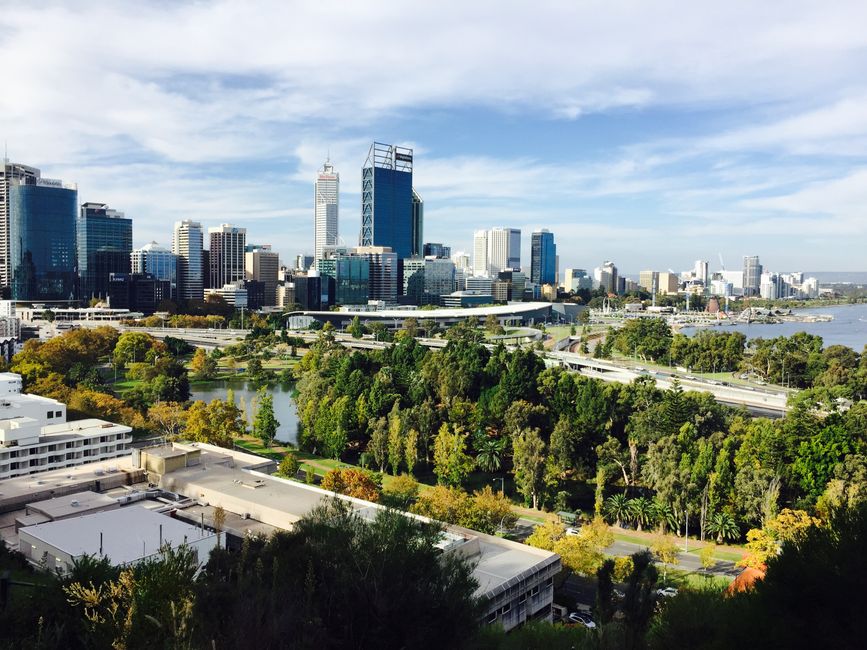
Perth's clean energy sector is experiencing a notable acceleration this year, with several homegrown startups moving from prototype to commercialisation phase and attracting investment attention that extends well beyond Western Australia.
The momentum centres around innovation hubs in the CBD and surrounding precincts. The Startup WA initiative, backed by state government funding, has broadened its focus to prioritise climate tech ventures, with incubation spaces along the Swan River corridor now housing at least a dozen companies developing everything from grid-scale battery storage to precision agriculture technology that reduces water consumption—critical in a drying climate.
One significant trend is the emergence of companies addressing Western Australia's unique energy challenges. Several startups are working on smart microgrid solutions tailored to mining regions and remote communities, where traditional energy infrastructure is costly and unreliable. These ventures are tapping into the $450 million Western Australian renewable energy investment pipeline announced by the state government earlier this year.
Government support has also shifted noticeably. The Department of Jobs, Tourism, Science and Innovation recently launched a dedicated clean tech grant programme offering up to $200,000 per venture for early-stage research and development. Applications closed in May, but the programme signals sustained institutional backing for the sector beyond the current funding cycle.
From a geographic perspective, businesses are clustering in established tech neighbourhoods—particularly around East Perth's industrial precincts and the emerging innovation districts near Curtin University's research campus in Bentley, where academic-industry partnerships are accelerating commercialisation timelines.
Water technology represents another growth vector. Several Perth-based startups are developing desalination efficiency improvements and wastewater recycling systems, addressing both environmental and economic pressures facing the city as it grows. These companies are already attracting early customer interest from major utilities and agricultural operators across the state.
Talent appears less constrained than it was two years ago. A combination of remote work flexibility and growing local reputation has attracted technical specialists from Sydney and Melbourne. Salary expectations remain notably lower than eastern seaboard hubs, making Perth increasingly competitive for early-stage ventures managing burn rates carefully.
Investment patterns show mixed signals. While venture capital rounds remain smaller than in Sydney or Melbourne—typically $2–5 million for Series A—government grants and corporate innovation partnerships from major resource companies are offsetting traditional VC shortfalls. This hybrid funding model appears to be working, at least for now.
The sector's maturation could reshape Perth's economic identity. If the current trajectory holds, clean energy tech may eventually rival resources and agriculture as a defining economic pillar for the region.
This article was compiled by AI from the sources linked above and screened before publishing. See our editorial standards.