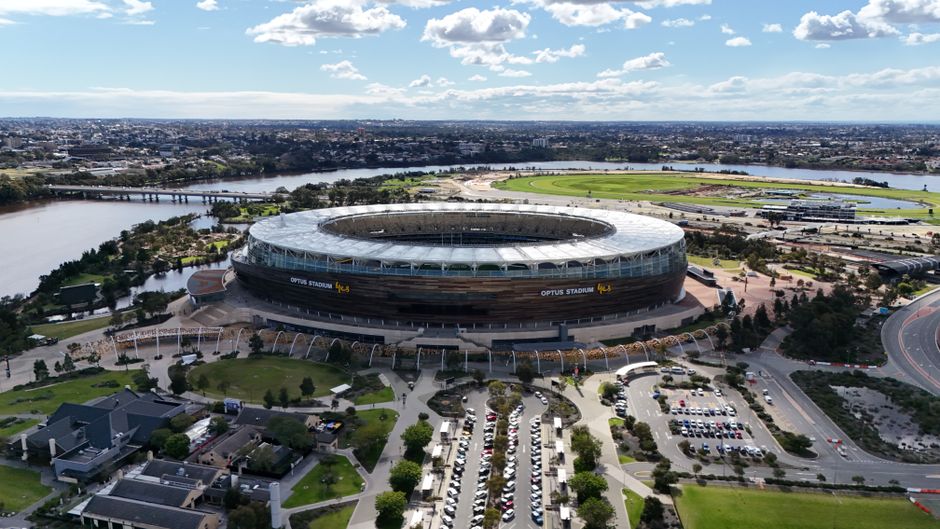
Perth's sporting venues are thriving. Perth Stadium drew record crowds last season, while Optus Stadium continues to attract sell-out events. Yet beneath these headline figures lies a more complex picture of how our city actually stays fit—one that reveals stark divides in who gets active, where, and how often.
New participation data from the WA Sport and Recreation Commission shows that while attendance at major events has climbed 12% over the past two years, active participation in regular fitness activities tells a different story. Only 34% of Perth residents meet recommended weekly exercise targets, down marginally from 36% in 2024. Meanwhile, passive spectatorship—attending professional matches and events—has become increasingly concentrated among higher-income households in suburbs like Dalkeith, Peppermint Grove, and along the Matagarup Bridge corridor.
The numbers suggest that Perth's fitness culture has become bifurcated. Residents in the inner west—Subiaco, Leederville, and Northbridge—show significantly higher gym membership rates (58% versus a metro average of 31%), with boutique fitness studios along Oxford Street commanding premium prices. Meanwhile, suburbs further east report lower engagement with formal fitness infrastructure, despite comparable or lower incomes dedicated to health.
Advertisement
"What we're seeing is venue participation masking participation inequality," explains the data, with community facilities in areas like Mirrabooka and Armadale reporting flat or declining usage figures. Participation in council-run aquatic centres has remained steady, but cost-of-living pressures are evident: casual visit rates have dropped 8% while membership passes have increased 15%—suggesting a shift toward committed, regular users rather than casual exercisers.
The disparity extends to organised sport. Junior participation in structured sports through clubs remains robust across all suburbs, yet adult amateur league participation—traditionally a gateway to sustained fitness habits—has declined in outer suburbs while remaining stable in central areas.
Perhaps most telling: stadium event attendance among residents earning under $75,000 annually has stalled, even as pricing for premium seating at Optus Stadium has climbed steadily. This suggests that while Perth's major venues remain cultural landmarks, they're increasingly venues for those with disposable income rather than accessible fitness or recreation hubs for the broader community.
The data challenges Perth's image as a fitness-forward city. We're a city that watches sport enthusiastically—but whether that enthusiasm translates into sustained personal participation remains an open question, particularly for suburbs beyond the inner circle.
This article was compiled by AI and screened before publishing. See our editorial standards.