Perth's Water Sports Participation Surges, Reshaping Local Fitness Culture
New data shows a surge in aquatic activity across the city, signalling a fundamental shift in how locals approach health and wellbeing.
2 min read
New data shows a surge in aquatic activity across the city, signalling a fundamental shift in how locals approach health and wellbeing.
2 min read
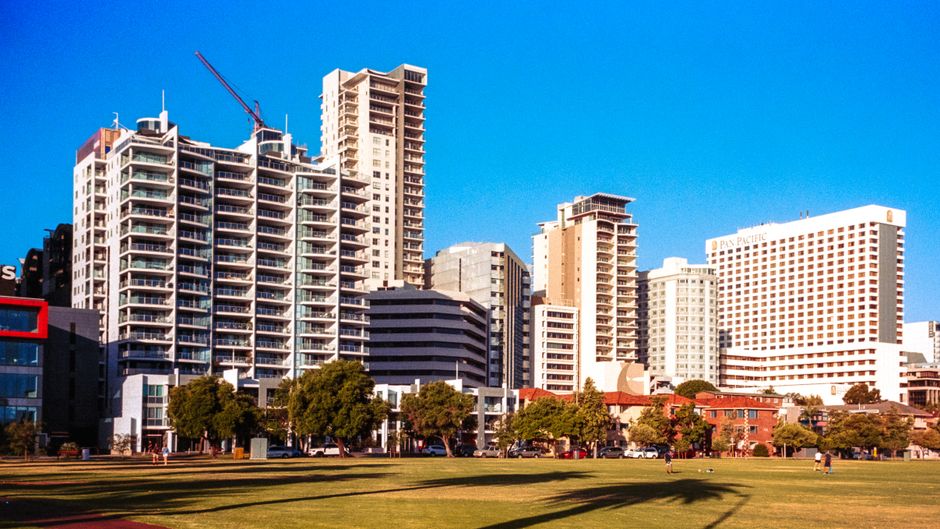
Perth's water sports landscape is experiencing a quiet revolution. Recent participation figures reveal that swimming and aquatic activities have become central to the city's fitness identity, with enrollment at facilities like HBF Stadium in Mount Claremont and Beatty Park Leisure Centre jumping by over 23 percent in the past two years—a trend that reflects broader changes in how Western Australians prioritise their health.
The numbers tell a compelling story. Swimming lessons for children aged 5-12 have reached near-capacity at most suburban facilities, while adult lap swimming sessions at facilities across Northbridge, Subiaco, and the southern suburbs are regularly drawing crowds that rival traditional gym classes. Early-morning slots at City of Perth aquatic venues are now booked weeks in advance, a sharp contrast to five years ago when such demand was virtually unheard of.
What's driving this surge? Fitness professionals point to a convergence of factors. Unlike high-impact gym work, water-based exercise offers low-stress training that appeals to an ageing population increasingly conscious of joint health. Meanwhile, parents have become more invested in water safety and swimming competency for their children—a shift bolstered by summer drowning prevention campaigns. Triathlon clubs across Perth, particularly those based near the Swan River and at East Perth's training grounds, have also reported record memberships, with participation up roughly 31 percent among adults aged 25-45.
The economic impact is notable. Aquatic facility operators are investing heavily in infrastructure. Several councils, including the City of Melville and City of South Perth, have expanded their offerings with new hydrotherapy pools and aqua aerobics programs. Private operators like Perth swim schools in Claremont and Nedlands have reported waiting lists stretching months ahead.
Yet this surge raises questions about access and equity. While demand soars, pricing remains a consideration for many households. Standard swimming lessons at council-run venues typically cost between $80-$130 per term, though scholarships exist for low-income families. The data shows participation is highest in affluent postcodes like Subiaco and Cottesloe, hinting at a divide that warrants attention from city planners.
What the numbers ultimately reveal is that Perth's fitness culture is maturing beyond traditional frameworks. We're seeing a city embracing holistic health—where water isn't just a recreational amenity but a cornerstone of wellbeing. As participation continues climbing, the challenge ahead is ensuring these opportunities remain accessible to all Perthians, not merely those in the wealthiest corners of our expanding metropolis.
This article was compiled by AI and screened before publishing. See our editorial standards.
Spread the word
About this article
Published by The Daily Perth
Stay in the loop
Daily brief
Free, in your inbox before 7am. Weekdays.
The Daily Network — local news across Australia
More local news across Australia