USMNT's World Cup Run Exposes Stadium Infrastructure Gaps
The American team's knockout-round success raises questions about what modern sporting venues need to handle elite international competition.
2 min read
The American team's knockout-round success raises questions about what modern sporting venues need to handle elite international competition.
2 min read
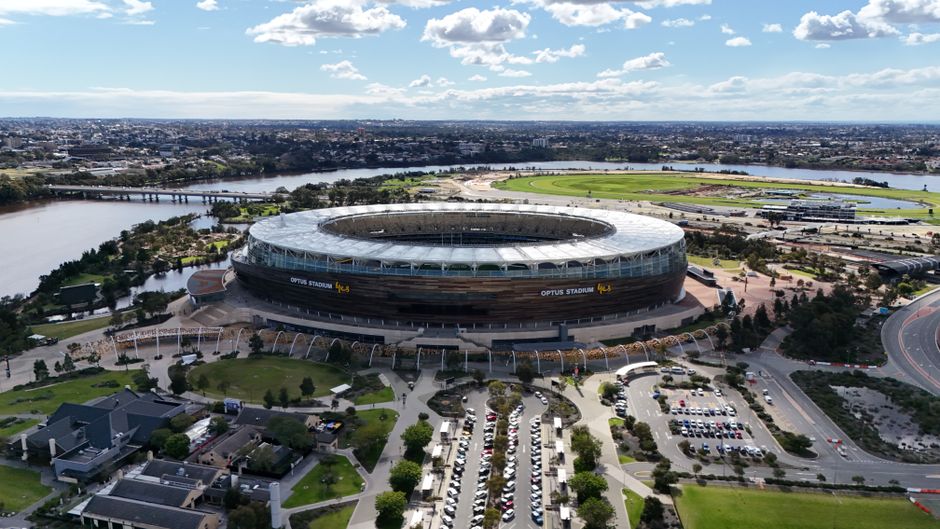
The USMNT's progression through the 2026 FIFA World Cup knockout stages has reignited conversations about stadium design and athlete welfare—conversations particularly resonant here in Perth, where sporting infrastructure continues to shape the city's global profile.
With the Americans advancing past Bosnia and Herzegovina in dramatic fashion, despite the complications of late-match discipline issues, the performance has highlighted how modern venues must balance multiple demands: player safety, crowd capacity, broadcast capability, and medical response times. These aren't abstract concerns for a city like Perth, which hosts international cricket at the WACA Ground on East Perth's boundary and manages the sprawling facilities at Optus Stadium in Burswood.
Optus Stadium, which opened in 2017, can accommodate 60,000 spectators and has become a touchstone for what contemporary elite-level venues require. The facility features state-of-the-art medical facilities, multiple player zones, and technology integration that allows real-time monitoring of pitch conditions. These elements proved crucial during the USMNT's tournament run, where managing player fitness and responding to incidents—such as the red-card situation that emerged during their Bosnia fixture—demands infrastructure that extends far beyond seating and sightlines.
Perth's own sporting community understands these pressures acutely. The Western Australian Football League, which operates grounds across the metropolitan area including Domain Stadium in Subiaco, has invested heavily in upgrading facilities to meet contemporary standards. Ticket prices for premium seating at major venues now typically range from $85 to $250 depending on the fixture, reflecting the capital expenditure required to maintain competitive infrastructure.
The USMNT's World Cup success underscores that modern stadiums serve as operational command centres as much as entertainment venues. Broadcasting infrastructure, crowd management systems, and athlete support services all factor into whether a venue can properly host international competition at the highest level.
For Perth, these developments are instructive. As the city continues positioning itself as a major sporting destination—hosting regular international cricket, rugby league, and other codes—the lessons from the current World Cup cycle matter. Venues like Optus Stadium already meet many international standards, but the conversation around the USMNT's progression reminds us that excellence in sporting infrastructure remains an ongoing investment, not a destination.
The Americans' advancement suggests that venues capable of handling elite sport—with all its unpredictability and intensity—remain critical infrastructure for cities aspiring to global sporting significance.
This article was compiled by AI and screened before publishing. See our editorial standards.
Spread the word
About this article
Published by The Daily Perth
Stay in the loop
Daily brief
Free, in your inbox before 7am. Weekdays.
The Daily Network — local news across Australia
More local news across Australia