Perth's aquatic infrastructure faces capacity crunch as water sports boom
Record participation in swimming and water sports is straining the city's pool and facility network, prompting calls for urgent investment.
2 min read
Record participation in swimming and water sports is straining the city's pool and facility network, prompting calls for urgent investment.
2 min read
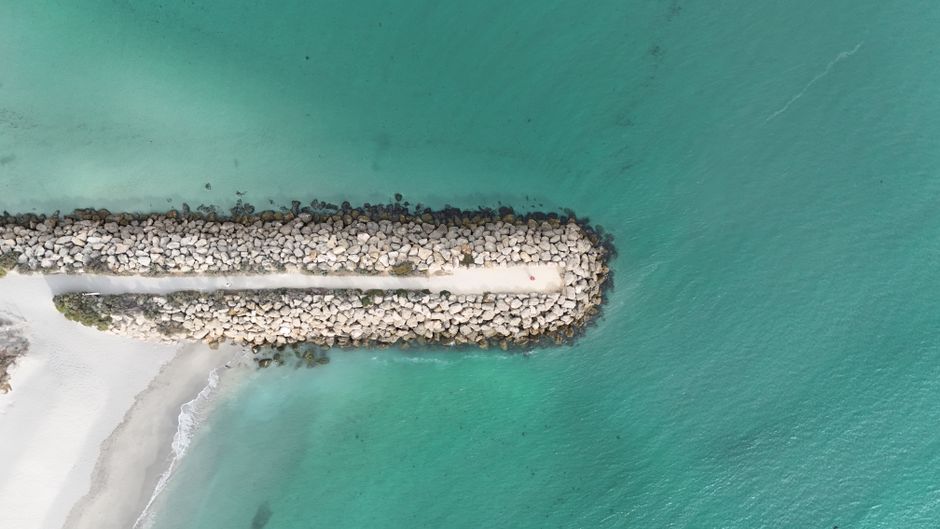
Perth's thriving water sports culture is pushing existing aquatic facilities to their limits, with demand for pool access, swim lessons, and training programs outpacing available infrastructure across the metropolitan area.
The State Swimming Centre in Perth city, long the flagship venue for competitive swimming, continues to operate at near-capacity during peak hours. The facility's Olympic-standard 50-metre pool remains the centrepiece for serious swimmers and developing athletes, but waiting lists for squad training slots have stretched to several months. Recreational swimmers report difficulty securing lane access during evening and weekend periods, when families seek swimming lessons and fitness activities.
Beyond the city centre, facilities like the Beatty Park Leisure Centre in Mount Lawley and the Leisureworld complex in Bayswater provide essential community access, yet planners acknowledge growing pressure on these venues. Beatty Park, which underwent renovations in recent years, hosts aquatic programs reaching thousands annually, but expansion remains constrained by site limitations and funding cycles.
Perth's expanding suburbs have created geographic gaps in facility coverage. Residents in outer growth corridors including Piara Waters and Ellenbrook often travel 20-30 kilometres to access quality pools and coaching infrastructure—a significant barrier for junior swimmers and casual participants. Local swimming clubs operating from school facilities report overcrowding and limited access to competition-standard equipment.
The broader challenge extends beyond traditional pools. Water polo, diving, and open-water swimming have grown substantially, with demand exceeding dedicated training venues. The Swan River, Perth's natural aquatic playground, attracts increasing numbers of triathletes and ocean swimmers, yet support infrastructure—change facilities, emergency services coordination, and coaching access—remains underdeveloped compared to international standards.
Aquatic recreation generates significant economic activity. Swimming lessons alone represent a multi-million-dollar sector, with independent operators and council-run programs competing for instructors and pool time. Private facilities and gyms with pools have expanded offerings, yet public sector venues remain the backbone for grassroots development and community access.
City of Perth and regional councils have flagged aquatic infrastructure in long-term planning discussions, with proposals for new neighbourhood facilities in development corridors. However, capital constraints and competing priorities mean timelines remain uncertain. Sports bodies including the Western Australian Swimming Association continue advocating for strategic investment to match participation growth and keep pace with national benchmarks.
For now, Perth's water sports community navigates a system stretched between ambition and capacity—a tension resolved only through sustained infrastructure investment.
This article was compiled by AI and screened before publishing. See our editorial standards.
Spread the word
About this article
Published by The Daily Perth
Stay in the loop
Daily brief
Free, in your inbox before 7am. Weekdays.
The Daily Network — local news across Australia
More local news across Australia