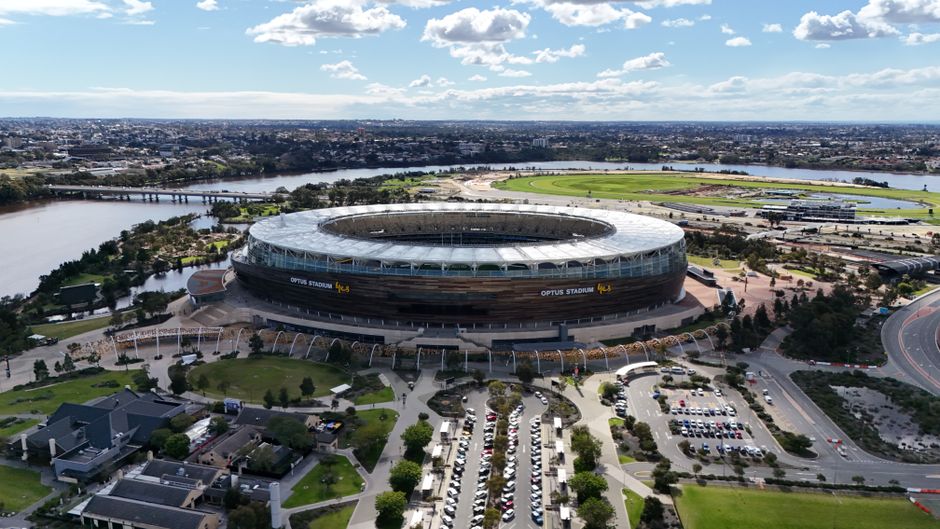
While global headlines chronicle division and conflict, Perth's football community is quietly demonstrating the opposite: that sport builds bridges. From the turf pitches of Subiaco Oval's surrounding precincts to the emerging facilities along the Swan River, local soccer clubs are thriving in ways that extend far beyond weekend victories.
The Perth District Soccer Association reports a 23 per cent increase in youth registrations over the past two seasons, with participation now exceeding 8,400 players across competitive and recreational divisions. That surge reflects something deeper than mere numbers. Clubs operating across Bayswater, Cannington, Fremantle, and inner suburbs like Mount Lawley are becoming genuine community anchors—places where families gather, neighbours become teammates, and young people find purpose.
Take Melville City Football Club, operating from their redeveloped base near Leach Highway. The club now runs eight senior teams and a thriving junior academy serving 340 children aged five to eighteen. Beyond matches, they've launched mental health awareness programs, partnering with local health services to ensure player wellbeing extends beyond the pitch. Their Tuesday evening women's league—launched just eighteen months ago—now fields four teams, dismantling old barriers about female participation in the sport.
Across town, Bayswater Football Club has become a hub for migrant families and newly arrived communities. With players from eighteen different nations, the club has deliberately fostered an inclusive culture. Their annual community dinner attracts over 600 people, with players' families sharing food and stories. Club officials have worked closely with City of Bayswater to develop multilingual orientation programs for newcomers, using football as a gateway to broader Perth social integration.
The economics matter too. Local clubs collectively generate millions annually through membership fees, sponsorships, and community fundraising—money that circulates within Perth's economy. Training facilities attract families to local suburbs, boosting nearby cafes, shops, and services. Ground maintenance and facility development create local employment.
Yet perhaps the most significant impact is intangible. In an era when isolation and division make headlines, Perth's football clubs prove that organised sport remains one of the city's most effective community builders. They provide structure, belonging, and shared purpose to thousands of residents weekly.
As winter approaches and the season accelerates, Perth's football community invites everyone to get involved—whether as players, volunteers, or supporters. Because ultimately, what happens on our local pitches reflects what we value as a city: connection, opportunity, and community.
This article was compiled by AI and screened before publishing. See our editorial standards.