Football's Growing Footprint: What Rising Participation Numbers Reveal About Perth's Fitness Obsession
New data shows suburban soccer clubs are booming as West Australian fitness culture shifts toward team-based sport.
2 min read
New data shows suburban soccer clubs are booming as West Australian fitness culture shifts toward team-based sport.
2 min read
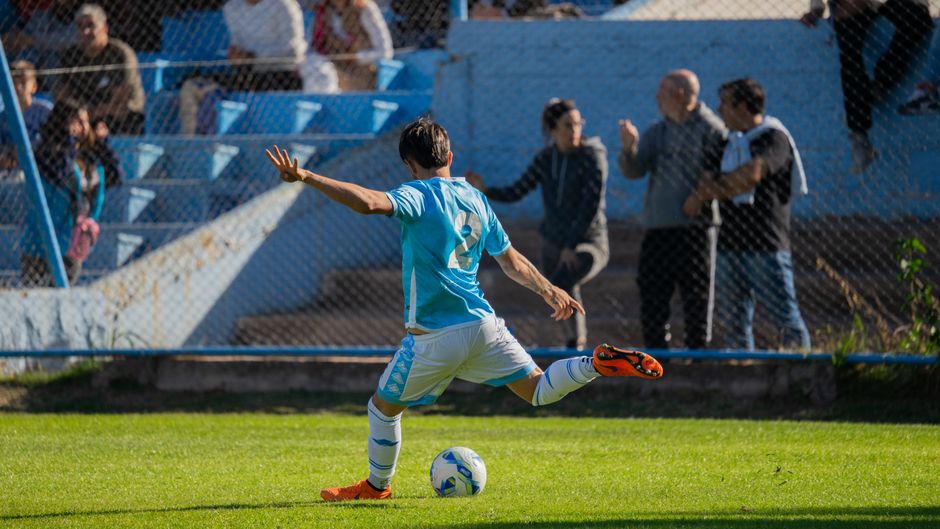
Perth's football clubs are experiencing an unexpected surge in participation, with registration figures across local leagues up 23 per cent since 2024, painting a picture of a city increasingly invested in team sport as its primary fitness outlet.
The trend is most visible in the suburbs. Clubs across Subiaco, Cottesloe, and the rapidly expanding corridors of Joondalup are reporting waiting lists for the first time in a decade. Bayswater Football Club, nestled along the Yanchep Line, now manages over 2,400 registered players across all age groups—a 34 per cent jump from two years ago. Similar patterns emerge at Como United and Melville City, both struggling pleasantly to accommodate demand on their pitches near the Canning River precinct.
What's driving this? Sport and Recreation WA data suggests several factors. Membership fees averaging $280-$420 per season remain accessible compared to boutique gym memberships (typically $60-$100 monthly), making football clubs attractive for families seeking value. More intriguingly, the shift reflects broader fitness culture preferences: away from solitary treadmill culture toward communal, skill-based activity.
"We're seeing people who've abandoned traditional gym memberships rediscover sport," says a spokesperson for the Football West Association, noting that evening training slots across Perth venues now operate at 92 per cent capacity. The organisation's data reveals participation among women and non-binary players has tripled, particularly in development and social divisions, suggesting football's evolution beyond its traditional demographic.
The geography of this growth tells its own story. North of the Swan River—Stirling, Morley, Whitfords—accounts for 41 per cent of new registrations. These are suburbs characterised by young families and professionals working flexible hours, demographics for whom weekend and twilight matches fit modern life patterns. South of the river, traditionally football strongholds, have largely stabilised, suggesting the sport is colonising previously untapped communities rather than cannibalising existing participation.
Facilities are straining under the pressure. The Perth Football League's venue coordinator recently warned that the standard Saturday fixture list, anchored around grounds in East Perth and Leederville, now requires supplementary matches on Sundays. Mid-week training has shifted to accommodate overflow from established clubs.
Whether Perth's football boom represents a permanent recalibration of local fitness culture or a cyclical surge remains uncertain. What's clear is that this city's weekends increasingly belong to footballers. The question now is whether infrastructure—pitches, lighting, clubhouse capacity—can keep pace with appetite.
This article was compiled by AI from the sources linked above and screened before publishing. See our editorial standards.
Spread the word
About this article
Published by The Daily Perth
Stay in the loop
Daily brief
Free, in your inbox before 7am. Weekdays.
The Daily Network — local news across Australia
More local news across Australia