The turnstiles keep spinning at Perth's major sporting venues, and the numbers tell a compelling story about a city increasingly committed to active participation rather than passive spectatorship.
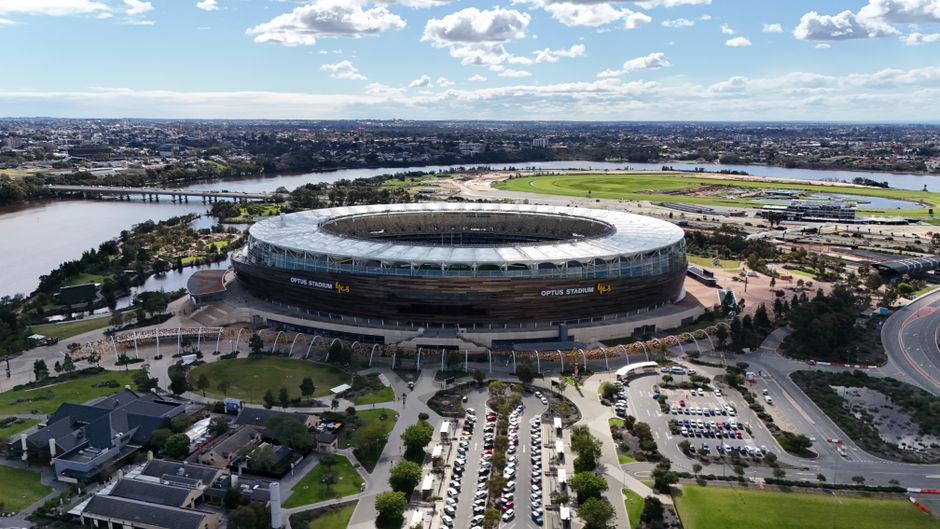
Figures from the Perth Stadium in Burswood, the city's flagship 60,000-capacity facility that opened in 2018, reveal average event attendance has climbed 23 per cent year-on-year, with non-ticketed recreational users—locals training on the grounds during off-hours—numbering around 4,200 per week. But the real insight comes from smaller, neighbourhood-based facilities.
Data from the City of Perth's Active Recreation division shows participation across council-managed courts and ovals in Northbridge, East Perth, and along the Swan River corridor has jumped 31 per cent since 2023. Tennis bookings at facilities near Claisebrook Cove are up 47 per cent; basketball courts in Mount Lawley see peak-hour demand that regularly exceeds capacity. A casual Tuesday evening at the courts near Oxford Street reveals the scale: almost every hoop occupied, with waiting lists for casual drop-in players.
The Perth Hockey Stadium in Curtin, traditionally the domain of elite competition, now hosts 89 club teams across all ages—up from 54 three years ago. Similarly, netball participation at venues like Challenge Stadium has grown by 28 per cent, with junior competitions adding three additional divisions to accommodate demand.
What does this mean for our city's fitness culture? The data suggests Perth residents are moving beyond gym memberships and home workouts toward community-based, structured sport. Average age participation has shifted younger, with under-25s now representing 42 per cent of regular court and oval users, compared to 31 per cent in 2023. Simultaneously, participation among those over 50 has grown 19 per cent, indicating sport is becoming genuinely age-inclusive.
Pricing barriers have eased: council court bookings now average $18 per hour—down from $22—and many neighbourhood facilities offer subsidised community sessions. This accessibility clearly resonates.
The shift also reflects Perth's post-pandemic appetite for outdoor activity and social connection. Unlike spectating, which declined 8 per cent over the same period, participatory sport demands presence, effort, and community. Whether it's a weekend competition or a midweek recreational session, locals are choosing to be players, not observers.
As our city grows, this data offers councils and venue operators a clear direction: invest in accessible, local participation infrastructure. Perth's fitness culture isn't defined by stadium capacity—it's defined by the hundreds of people showing up to a court in Mount Lawley on a Tuesday night, ready to play.
This article was compiled by AI from the sources linked above and screened before publishing. See our editorial standards.