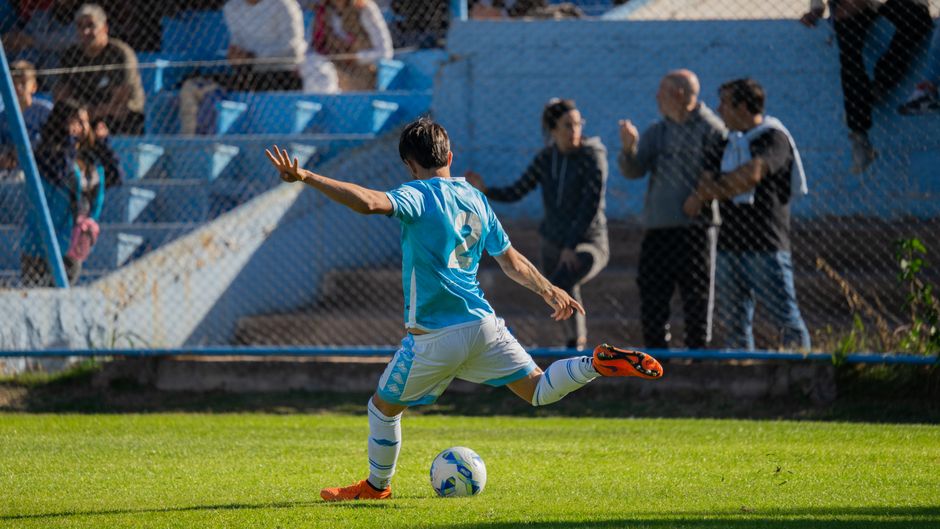
Football participation in Perth has surged 23% since 2023 to 87,000 players. Discover how community soccer clubs across Northbridge, Subiaco, and beyond are reshaping local fitness culture.
The numbers tell a compelling story about Perth's evolving relationship with fitness and wellbeing. Football participation across Western Australia's capital has climbed to 87,000 registered players—a 23 per cent increase since 2023—according to latest figures from Football West. More striking than the headline figure, however, is where that growth is concentrated and what it reveals about our city's fitness priorities.
The surge isn't confined to elite academies in affluent suburbs. Participation has accelerated most notably in community-level competitions across Northbridge, Subiaco, and the outer reaches of Cannington and Kwinana. At Perth Glory's community hub near Bayswater Station, evening fixtures now run until 10pm to accommodate demand. The Langley Park precinct, historically underutilised for grassroots sport, now hosts four simultaneous matches most weekends.
What's driving this shift? Sports psychologists and fitness analysts point to three intersecting factors. First, post-pandemic wellness consciousness has made casual fitness more culturally acceptable—even desirable. Second, the accessibility factor: a season subscription at most Perth-based community clubs costs between $220 and $380, substantially cheaper than gym memberships or personal training. Third, football uniquely delivers what solo fitness cannot: social connection and structured accountability.
Advertisement
"People aren't just chasing fitness metrics anymore," explains Dr Sarah Chen, a wellness researcher at Curtin University. "They're seeking community participation. Football delivers that in a way a treadmill never will."
The data supports this interpretation. Women's participation has grown fastest, up 34 per cent, with over 18,000 registered female players—driven largely by social leagues rather than competitive tiers. Veterans' competitions (35-plus age groups) have expanded by 41 per cent. Casual, five-a-side formats flourish across the city's inner suburbs, particularly along the corridor from West Leederville through Shenton Park.
Interestingly, this mirrors broader patterns in Australian cities. Melbourne and Sydney have seen similar climbs, suggesting Perth isn't an outlier but rather part of a national recalibration toward community-embedded fitness. Where Perth distinguishes itself is the age diversity: our growth isn't skewed toward twentysomethings but distributed across demographics.
The challenge now centres on infrastructure. Local councils acknowledge waiting lists for quality pitches at Langley Park and Tony Rocca Park stretch into months. Football West is lobbying state government for $8.2 million in facility upgrades, citing capacity constraints.
As Perth's fitness culture continues evolving, one truth emerges clearly: the city's residents have voted with their feet. Football, it seems, isn't just sport anymore. It's how Perth chooses to stay healthy.
This article was compiled by AI from the sources linked above and screened before publishing. See our editorial standards.