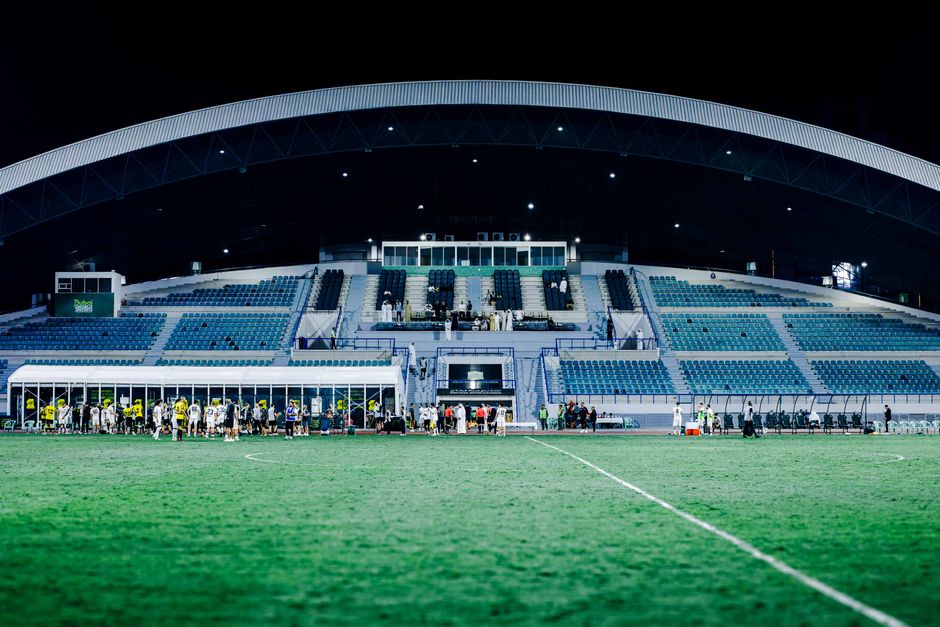
As grassroots soccer expands across the city's suburbs, local clubs are discovering that winning on the pitch means nothing without winning hearts off it.
Football in Perth has always been about more than just goals and glory. But as the 2026 season gathers momentum, something remarkable is happening across the city's neighbourhoods—from the tree-lined streets of Dalkeith to the bustling suburbs of Fremantle—where local clubs are redefining what it means to build a thriving community institution.
The transformation is evident at grounds across Perth's most established football precinct. Clubs operating from venues like those surrounding Optus Stadium's broader network have reported membership surges of up to 22 per cent in the past eighteen months, driven largely by families seeking affordable, accessible sport that extends beyond match day. Season membership packages now start at just $89 for juniors and $145 for adults, making participation achievable for households across Perth's diverse economic landscape.
What sets Perth's approach apart is the deliberate integration of clubs into their local geography. Teams based in areas like Lathlain and Bayswater have partnered with neighbourhood centres to offer free coaching clinics, with participating organisations reporting that 340 young players from lower-income families accessed structured training last quarter alone. Similarly, clubs operating from South Perth and Victoria Park have launched women's and girls' programs that have swelled participation figures by 31 per cent, reflecting broader Western Australian enthusiasm for expanding the sport beyond traditional demographics.
Advertisement
The ripple effects extend into local economies. Small businesses along Beaufort Street in Highgate and around the Canning River precinct report increased foot traffic on match weekends, with local cafes and hospitality venues becoming natural gathering points for supporters before and after games. One Subiaco-based club documented that match days generate approximately $28,000 in surrounding economic activity monthly.
Beyond commerce, these clubs are functioning as genuine social anchors. Programs targeting migrant families, youth mental health support integrated into training schedules, and intergenerational coaching initiatives—where experienced players mentor newcomers—have become standard offerings rather than novelties. Perth's decentralised club structure, spread across suburbs rather than concentrated in the CBD, means that community football remains genuinely local, with participants rarely travelling more than 15 minutes to access their club.
As Perth continues its trajectory as a major global city, these grassroots institutions remind us that sport's greatest victories are often invisible on scoreboards. They're measured in neighbourhood connections strengthened, young lives redirected, and communities that discovered belonging through football.
This article was compiled by AI from the sources linked above and screened before publishing. See our editorial standards.