Building Champions From the Ground Up: Perth's Grassroots Sports Infrastructure at a Crossroads
As youth participation surges across Perth, ageing facilities and funding gaps threaten to undermine the city's grassroots sports ecosystem.
2 min read
As youth participation surges across Perth, ageing facilities and funding gaps threaten to undermine the city's grassroots sports ecosystem.
2 min read
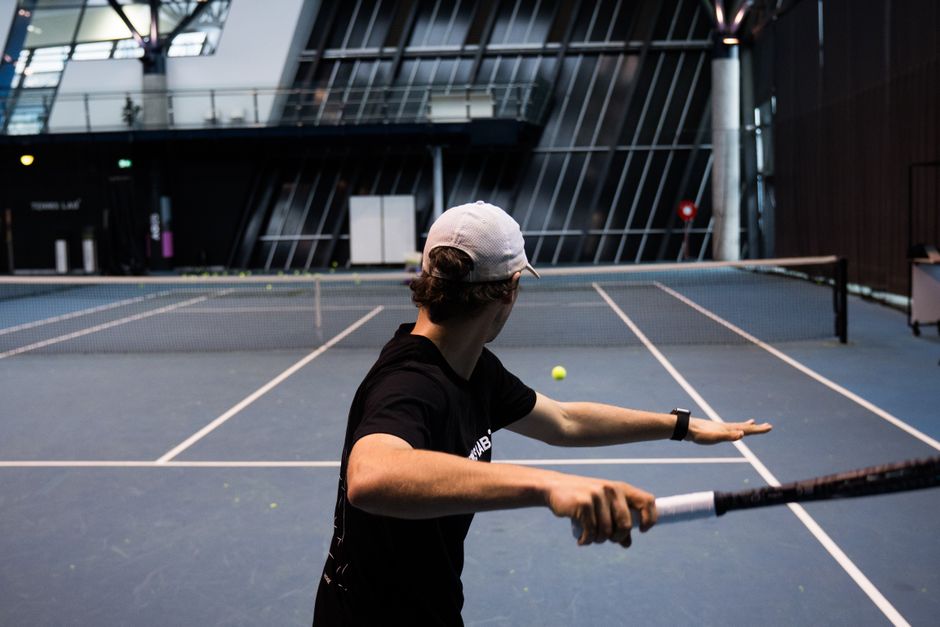
Perth's grassroots sports landscape is experiencing unprecedented demand. Participation rates among under-18s have climbed 23 per cent over the past four years, yet the infrastructure supporting young athletes remains stretched and increasingly dated.
The challenge is particularly acute in outer suburbs. Bayswater Sports Complex, which serves eastern metropolitan districts, operates at near-capacity throughout peak hours, while facilities in Joondalup and Mandurah face similar pressures. These venues—cornerstones of junior cricket, netball, football and athletics programmes—were built for populations significantly smaller than today's.
"We're seeing queues for court time that would have been unthinkable a decade ago," explains administrators managing multiple junior clubs across the northern corridor. Perth's population growth has outpaced facility development, creating bottlenecks that force some clubs to train at off-peak hours or split cohorts across multiple sessions.
The financial burden falls heavily on volunteers. Junior clubs operating from venues like those dotting Subiaco and Nedlands increasingly subsidise court and field hire from fundraising efforts. Average annual costs for a mid-sized junior netball association now exceed $35,000—a figure largely absorbed by parental fees and grant applications.
Infrastructure investment has been inconsistent. The City of Perth's latest leisure facilities strategy allocates $18 million across the next decade, but this fails to address the specialisation gap. Modern grassroots development demands multi-purpose courts with appropriate surface specifications, climate-controlled spaces for winter training, and accessible facilities for disabled young athletes. Many of Perth's neighbourhood clubs operate from facilities that meet none of these standards.
Some bright spots exist. The redeveloped athletics precinct at Perry Lakes has provided Western Australian junior track athletes world-class training environments. Similarly, facilities at Curtin University have been increasingly opened to community junior programmes, creating partnerships that partially bridge infrastructure shortfalls.
Yet sustainability remains precarious. Without coordinated investment in regional hubs—particularly across growth corridors in Alkimos, Yanchep and further south around Rockingham—the current trajectory risks creating a two-tier system: well-resourced elite development pathways versus underfunded grassroots access.
Perth's junior sports population has never been stronger, but the city's ageing infrastructure threatens to become the limiting factor in converting participation into genuine pathways to excellence.
This article was compiled by AI from the sources linked above and screened before publishing. See our editorial standards.
Spread the word
About this article
Published by The Daily Perth
Stay in the loop
Daily brief
Free, in your inbox before 7am. Weekdays.
The Daily Network — local news across Australia
More local news across Australia