How Much Rent Is Too Much? The 30% Rule in Practice
With Perth rents chewing through household incomes at record rates, the decades-old affordability benchmark is being tested like never before across the city's tightest suburbs.
3 min read
With Perth rents chewing through household incomes at record rates, the decades-old affordability benchmark is being tested like never before across the city's tightest suburbs.
3 min read
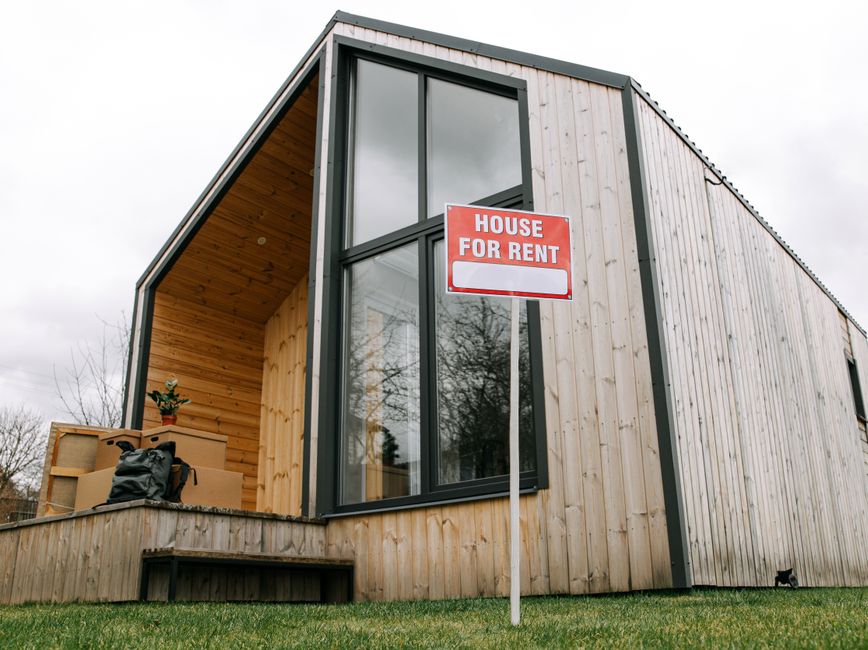
A Perth renter on the median household income is now handing over roughly 34 cents of every dollar earned just to keep a roof over their head. That figure, drawn from REIWA data for the June 2026 quarter, blows past the long-standing 30% threshold that housing economists have used since the 1980s to define rental stress — and it has real consequences for tens of thousands of households across the metropolitan area.
The timing matters. Perth's rental vacancy rate has been stuck below 1% for more than two years. Median weekly rent for a house across greater Perth now sits at $680, up from $520 in mid-2023. The mining-driven population surge, particularly into the northern corridor from Joondalup through to Wanneroo, has absorbed almost every available rental property, leaving prospective tenants with little leverage at lease negotiations. Meanwhile, stamp duty and construction costs have kept first-home buyers on the sidelines longer than most anticipated, which only intensifies demand on the rental pool.
The 30% rule is simple arithmetic: if your household spends more than 30% of gross income on housing costs, you are technically in housing stress. For a couple each earning the Western Australian average full-time wage of around $98,000 — a combined gross of $196,000 — the stress threshold lands at roughly $1,130 per week in rent. That sounds generous until you account for Perth's actual rental stock. A three-bedroom house in Balga is currently listing at around $620 per week. In Canning Vale, comparable properties are fetching $750 to $800. Further north in Butler, where Lendlease and other developers have been active, rents for new four-bedroom homes are clearing $850.
For single-income households, the picture is far more severe. A worker on the WA median individual income of approximately $72,000 gross hits the 30% ceiling at just $415 per week. The cheapest detached house rentals in the metropolitan area — mostly older stock in Armadale and Midland — are already nudging $500 per week. That leaves virtually no affordable rental option within 40 kilometres of the Perth CBD for anyone earning close to median wages alone.
The Tenancy WA legal centre, based on Wellington Street in the CBD, has reported a sharp increase in enquiries from renters seeking advice on breaking leases or negotiating rental reductions — a pattern not seen at this scale since the post-GFC rental spike of 2009. The state government's Rent Relief program, administered through the Department of Communities, offers one-off assistance to eligible households but is not structured to address chronic affordability shortfalls month after month.
For households wrestling with that calculus, buying is not the obvious escape route it once appeared. The WA median house price is sitting at approximately $680,000. A buyer putting down the minimum 10% deposit on a $680,000 purchase faces repayments of around $3,500 per month at current variable rates near 6.2% — which works out to roughly 43% of a combined $196,000 income. That is worse than renting on a pure cash-flow basis, though buyers are building equity while renters are not.
The practical advice from mortgage brokers operating out of the Northbridge and Subiaco strips is consistent: households currently paying above the 30% threshold in rent should run a full serviceability assessment before assuming ownership will relieve the pressure. In several middle-ring suburbs — Morley, Dianella, Balcatta — the gap between renting and owning has narrowed to less than $200 per week when all holding costs are factored in, making the buy argument more compelling than headline prices suggest.
What happens next depends heavily on supply. The state government's WA Housing Strategy targets 25,000 new social and affordable dwellings by 2031, but completions are tracking behind schedule due to construction labour shortages. Until vacancy rates recover toward the historical average of 2.5% to 3%, the 30% rule will remain more aspiration than achievable reality for a growing share of Perth renters — particularly those renting alone, those on fixed incomes, and younger households still years away from a deposit.
Spread the word
About this article
Published by The Daily Perth
Stay in the loop
Daily brief
Free, in your inbox before 7am. Weekdays.
The Daily Network — local news across Australia
More local news across Australia