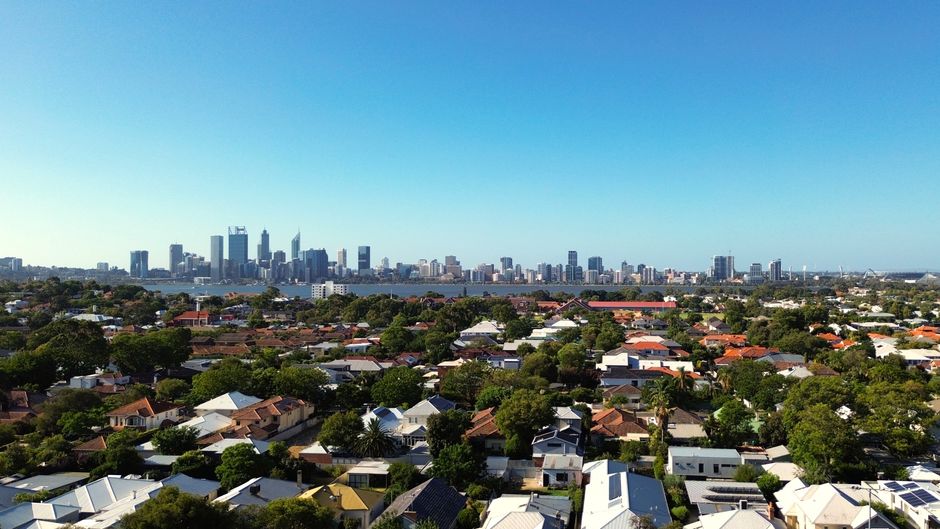
Planning committees across Perth's local government areas are implementing stricter density controls and design guidelines that will fundamentally alter how the city grows over the next decade.
The shift reflects mounting community pushback against rapid intensification in established suburbs. Councils including Stirling, Joondalup and Wanneroo—three of the fastest-growing regions driving demand for infill housing—have introduced revised local planning policies that cap building heights, mandate minimum street setbacks, and require architectural compatibility assessments for new residential projects.
Stirling Council's updated design framework, which took effect this quarter, restricts apartment blocks to four storeys in zones previously allowing six. Similar caps now apply across Wanneroo's Currambine and Edgewater precincts, despite sitting within designated activity corridors. The changes directly impact Perth's chronic housing shortage; with the state's median dwelling price hovering near $680,000 and rental vacancy rates below 1%, supply constraints are intensifying affordability pressures.
"Developers are recalibrating feasibility models," says the Property Council of Australia's WA division, noting that reduced plot ratios and stricter design compliance are adding time and cost to approvals. Projects along Scarborough Beach Road, traditionally a medium-density corridor, now face extended assessment periods and design revisions under new Stirling protocols.
The City of Perth has similarly tightened controls in its East Perth and Northbridge renewal precincts, emphasising podium-and-tower separation and heritage streetscape alignment. These requirements, while improving neighbourhoods aesthetically, have extended development timelines from 18 to 24+ months.
Joondalup's revised Local Planning Scheme reflects perhaps the starkest turnaround. Previously a density champion, the council has introduced "neighbourhood character preservation" overlays across residential zones near Lakeside Shopping Centre and the Joondalup Train Station precinct—areas originally zoned to catalyse transit-oriented development. Three-storey limits now apply where five-storey mixed-use was previously permissible.
Industry observers argue these regulatory shifts, while politically popular, risk exacerbating Perth's supply-demand imbalance. With fewer apartments feasible per hectare, price growth will likely outpace wage growth, particularly affecting first-home buyers. Yet councils maintain that protecting neighbourhood character and preventing overdevelopment justifies the trade-off.
State Government housing minister statements suggest reluctance to override local planning autonomy, leaving councils to determine density policy independently. For developers, the message is clear: expect prolonged consultation, design rework, and approval uncertainty across Perth's growth corridors.
This article was compiled by AI and screened before publishing. See our editorial standards.