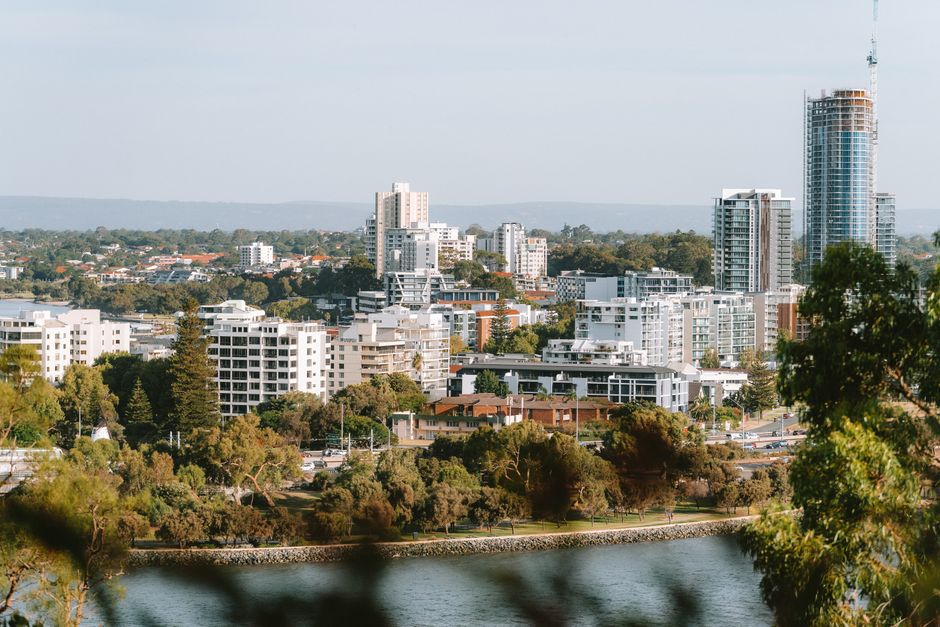
Perth's rental vacancy rates have fallen below 1%, intensifying competition for renters across Joondalup, Wanneroo, and South Perth. Here's how the crisis is reshaping housing decisions.
For years, Perth renters have watched colleagues and friends cross the threshold into homeownership, often assuming the maths simply didn't add up. But in mid-2026, that calculation is shifting—and not in the way landlords might hope.
The Western Australian rental market has tightened to a stranglehold. With vacancy rates hovering below 1 per cent across the metropolitan area, renters face competition not seen in a generation. A modest three-bedroom home in Maylands or Bayswater attracts dozens of applications within 48 hours. Inspections on South Perth riverside properties resemble open-house cattle calls. The pressure is particularly acute in Joondalup and Wanneroo, where mining-linked migration and family-focused development have created a perfect storm of demand.
This scarcity has upended rental dynamics. Properties that might have lingered on the market five years ago now command premium prices. A two-bedroom apartment in the CBD—once seen as a stepping stone for young professionals—now rents for $2,400–$2,600 monthly, up sharply from historical averages. Landlords, emboldened by competition, impose stricter tenant criteria: proof of income at 30 times weekly rent, references from previous landlords, guarantors.
Advertisement
For renters, the psychological toll is compounded by economic reality. Saving a deposit while competing for scarce rental stock means watching income get consumed by rising rent. A couple earning combined household income of $150,000 might spend $32,000 annually on rent—money that could service a $600,000 home loan with a 15 per cent deposit in suburbs like Thornlie or Harrisdale.
The irony is sharp. While interest rate settings and lending criteria have made home purchase harder, the rental squeeze has made renting even more precarious. Young families are increasingly asking: why compete for rentals when mortgage stress might offer more security?
Data from the Real Estate Institute of Western Australia reflects this shift. Median house prices around $680,000 look formidable until compared against the true cost of renting—both financial and emotional. Over a decade, a buyer building equity faces uncertainty; a renter faces eviction notices and perpetual housing insecurity.
Perth's vacancy crisis isn't simply a supply problem. It's a signal that the traditional rent-versus-buy debate has tilted. For many, homeownership—despite the RBA's caution on rate trajectories—is becoming the more rational choice.
This article was compiled by AI and screened before publishing. See our editorial standards.