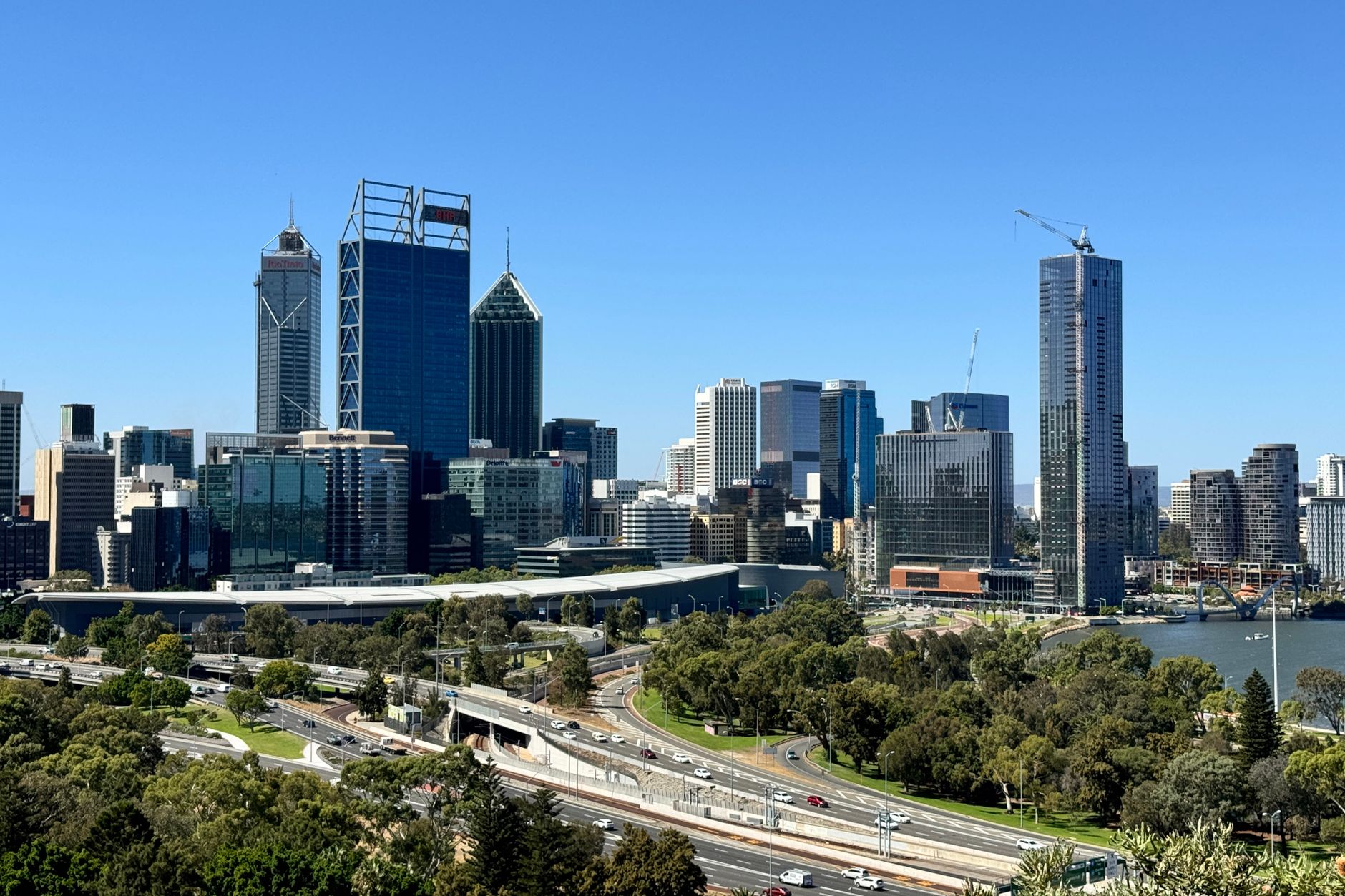
Perth's rental market is suffocating. With vacancy rates hovering below 1 per cent and landlords spoilt for choice, tenants are increasingly squeezed between soaring rents and the mathematical impossibility of saving a deposit in an environment where median home prices have climbed relentlessly.
Enter build-to-rent developments—a growing phenomenon that's reshaping how Australians approach housing security without the burden of ownership.
Unlike traditional rental stock, which landlords acquire to supplement investment portfolios, build-to-rent communities are purpose-designed residential complexes where professional operators manage thousands of units. They offer what desperately matters to Perth renters right now: predictable costs, long-term lease options, and integrated amenities that single-property landlords rarely provide.
The model is gathering momentum in growth corridors like Joondalup and Wanneroo, where developer interest peaks alongside population forecasts. These areas have experienced stratospheric demand—partly driven by remote workers abandoning CBD proximity in favour of family-friendly suburbs—but where standalone house prices routinely exceed $750,000.
For a young couple earning combined household income of $120,000 annually, the mathematics of home ownership have become dystopian. After tax, they're servicing a $600,000 mortgage at roughly 6 per cent, plus rates, insurance, and maintenance. A rental apartment in a quality build-to-rent scheme, meanwhile, offers 12 or 24-month leases with transparent terms, no surprise maintenance bills, and access to shared facilities—gyms, co-working spaces, childcare centres—that add lifestyle value without inflating individual costs.
Perth's recent monetary tightening has turbocharged this shift. As the RBA's higher rates continue biting, prospective buyers who already struggle with $680,000 median prices face even steeper servicing costs. Meanwhile, build-to-rent operators can absorb rising construction costs more efficiently than individual investors can absorb rising mortgage stress.
The rental security angle matters enormously in WA's volatile employment landscape. Mining-dependent economies reward patience; build-to-rent leases accommodate career transitions without the catastrophic loss of a poorly-timed property sale. Someone relocating from Kalgoorlie to Perth for work, or a FIFO professional seeking temporary city-based accommodation, gains flexibility that traditional landlords simply won't offer.
Internationally, build-to-rent has matured significantly. Germany and the Netherlands have robust sectors; Australia is catching up. Perth, with its combination of acute rental scarcity and median prices that exclude ordinary workers, represents an ideal testing ground.
The catch? Without substantial government incentives, build-to-rent economics remain tight. Developers need confidence in long-term returns, which mandates sustained rental demand and regulatory certainty. But for Perth's growing legions of renters accepting that ownership is a receding dream, these developments represent the closest thing to housing stability currently on offer.
This article was compiled by AI and screened before publishing. See our editorial standards.