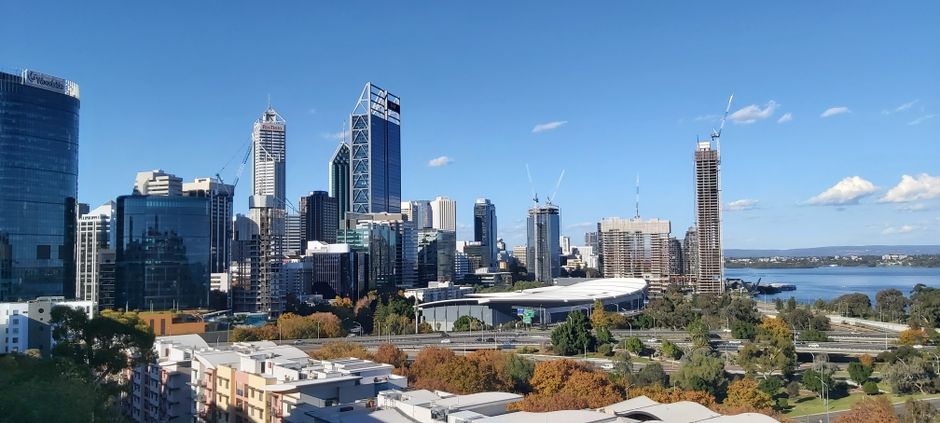
Perth's rental market has become increasingly fractured. With the median house price hovering around $680,000 and interest rates keeping deposit dreams at bay for many workers, tenants face a stark reality: homeownership may not arrive on schedule, if at all.
Into this gap is stepping a new breed of residential development. Build-to-rent communities—purpose-built apartment complexes designed for long-term tenancy rather than investor subdivision—are beginning to reshape Perth's rental landscape in ways that traditional landlord-tenant arrangements simply cannot match.
Unlike the sprawling residential subdivisions that have transformed suburbs like Joondalup and Wanneroo over the past decade, these developments prioritise tenant retention and experience. They typically offer fixed-term leases of three to five years, predictable rent increases, and integrated amenities that convert apartment living from a temporary holding pattern into a deliberate lifestyle choice.
The economics are compelling. A young professional earning $75,000 annually might spend $420 per week on a one-bedroom apartment in inner suburbs like Northbridge or Mount Lawley—roughly 28 per cent of gross income. Under current lending conditions, that same person cannot reliably secure a mortgage on anything under $450,000, requiring a $90,000 deposit that would take years to accumulate.
Build-to-rent developments address this friction by offering something between rental precarity and ownership burden: a stable, long-term rental home with services integrated into the building itself. Gyms, co-working spaces, landscaped courtyards, and community programming turn what might otherwise be an anonymous apartment block into something closer to residential campus living.
Perth's ultra-tight vacancy rate—below 1 per cent across most inner suburbs—makes this model increasingly viable for developers. When demand vastly outstrips supply, operators can confidently commit capital to long-term rental portfolios rather than gambling on apartment sales.
The broader implication is significant. For a generation of Perth workers priced out of traditional ownership, build-to-rent developments offer psychological permission to stop treating rental housing as failure. Instead, it becomes a genuine housing choice with stability, quality, and community built into its bones.
Whether this represents a solution to Perth's affordability crisis or merely a symptom of deeper systemic problems remains contested. What is clear is that as ownership recedes from reach, renters are increasingly voting with their feet—and developers are finally building for them.
This article was compiled by AI and screened before publishing. See our editorial standards.