When Progress Clashes with Place: Community Opposition to Development—Both Sides Explained
As Perth's property market surges, residents and developers are locked in a battle over neighbourhood character, infrastructure and growth.
2 min read
As Perth's property market surges, residents and developers are locked in a battle over neighbourhood character, infrastructure and growth.
2 min read
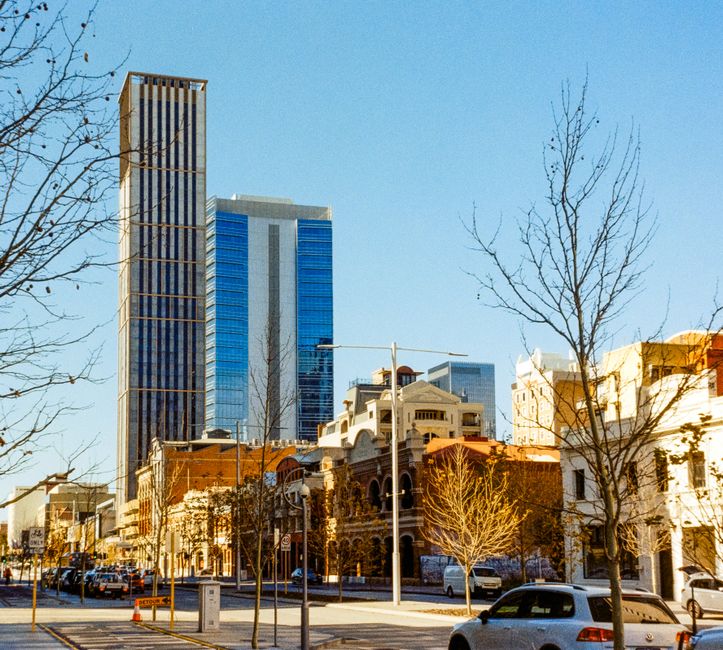
Perth's property boom is reshaping suburbs at breakneck speed. But not everyone is cheering. From Applecross to Cottesloe, from Northbridge laneway conversions to proposed Joondalup high-rise clusters, community groups are increasingly vocal about planning decisions they say threaten neighbourhood character and liveability.
The tension reveals a genuine clash of values—not simply NIMBYism versus necessary growth. Both camps have legitimate concerns.
Residents opposing recent developments along Canning Highway and in the Subiaco precinct cite parking congestion, overshadowing of established homes, and strain on local schools and drainage systems. With Western Australia's median dwelling price hovering near $680,000 and vacancy rates below 1 per cent, many feel rapid infill development will destroy the low-density appeal that made their suburbs desirable in the first place. They argue that incremental, sympathetic infill—respecting setbacks and streetscape proportions—should replace block-by-block apartment clusters.
Developers and planners counter that Perth's fastest-growing-capital-city status demands housing supply urgently. With net migration pushing population growth and Joondalup-Wanneroo corridors targeted for tens of thousands of new residents, they say opposition to medium-density development is simply delaying the inevitable—and inflating prices further. They point out that established suburbs with good transport links offer the most efficient urban footprint, and that strict heritage overlays or community veto rights effectively freeze neighbourhoods in aspic while younger buyers and families are locked out of homeownership.
The City of Perth's recent planning consultations have highlighted this divide starkly. Some submissions support taller mixed-use projects near train stations and centres; others demand heritage protection and reduced building heights. Neither side believes the other is negotiating in good faith.
What's missing from much of the debate is genuine third-way planning. A handful of Perth suburbs—notably parts of Mount Lawley and Leederville—have managed measured infill that respects existing streetscapes while modestly increasing density. But this requires patience, detailed design scrutiny, and genuine community engagement, not rubber-stamp approvals or blanket opposition.
As Perth continues its upward trajectory, the question isn't whether change will come—it will. The question is whether we'll manage it thoughtfully or simply accept whatever the market delivers. Neither reckless overdevelopment nor frozen-in-time suburbs serves the city's long-term interests. The suburbs caught in the crossfire deserve better than a binary choice.
This article was compiled by AI and screened before publishing. See our editorial standards.
Spread the word
About this article
Published by The Daily Perth
Stay in the loop
Daily brief
Free, in your inbox before 7am. Weekdays.
The Daily Network — local news across Australia
More local news across Australia