Zoning shake-up could reshape Thornlie as council fast-tracks mixed-use precinct
A proposed rezoning of industrial land near Thornlie Station promises medium-density housing and retail, but timing and affordability questions loom.
2 min read
A proposed rezoning of industrial land near Thornlie Station promises medium-density housing and retail, but timing and affordability questions loom.
2 min read
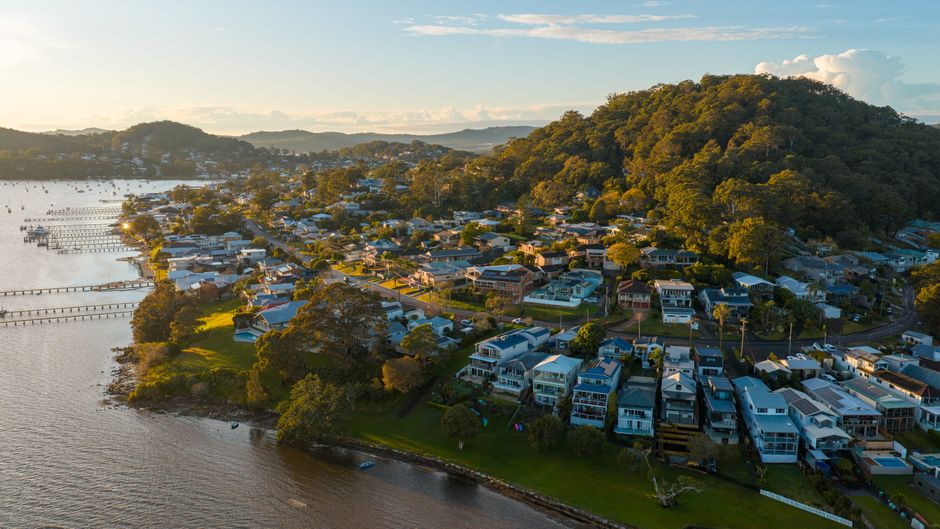
Perth's red-hot property market is about to test itself against one of the toughest challenges facing Western Australia's expanding corridors: converting industrial sprawl into liveable neighbourhoods that actually pencil out for developers.
The City of Canning is considering a significant rezoning of approximately 8.5 hectares of industrial-zoned land adjacent to Thornlie Station, a move that could deliver up to 400 new dwellings and ground-floor retail within the next five to seven years. The proposal sits squarely in a suburb that has emerged as one of Perth's fastest-growing residential zones, with median house prices climbing past $550,000 over the past 18 months.
The rezoning hinges on converting the precinct—bounded roughly by Stirling Road and Warton Road—from light industrial use to a mixed-use "activity centre" classification. This would permit medium-density apartment buildings up to six storeys, serviced apartments, and neighbourhood shops, bringing the kind of walkable infrastructure that planners say Thornlie currently lacks.
"The station exists, the infrastructure is there," says one urban planner familiar with Perth's corridor strategy. "But you've got vacant warehouses and auto yards within 500 metres of a Transperth interchange. It's a land-use mismatch."
For residents and investors, the calculus is mixed. Thornlie's sub-1% vacancy rate and constrained supply have made it attractive to owner-occupiers priced out of Canning Vale and Harrisdale further west. New apartments could ease that pressure—or spark another bidding war if supply doesn't meet demand. The median apartment rent in comparable Joondalup precincts now sits around $420 per week.
The city council will formally exhibit the rezoning proposal next quarter, triggering a public comment period. Existing industrial tenants—several long-established automotive and logistics operators—will likely resist, citing relocation costs and limited comparable spaces within the corridor.
Developers monitoring the application face their own gamble: land acquisition costs in Thornlie have risen sharply, and apartment yields in the region remain tight. The proposal includes no density bonuses or rate concessions, meaning early movers will absorb higher holding costs.
If the rezoning proceeds, Thornlie could join Perth's small roster of genuinely mixed-use suburbs—alongside Subiaco and parts of Northbridge. If it stalls, the precinct will likely remain a patchwork of underutilised industrial sites within walking distance of one of Perth's most productive transport nodes.
The decision arrives as Perth's median surges toward $680,000, and supply constraints threaten to lock out the middle market entirely. How the City of Canning navigates this rezoning may signal whether Australia's fastest-growing capital can actually build its way out of a housing crunch—or merely shuffle the problem eastward.
This article was compiled by AI from the sources linked above and screened before publishing. See our editorial standards.
Spread the word
About this article
Published by The Daily Perth
Stay in the loop
Daily brief
Free, in your inbox before 7am. Weekdays.
The Daily Network — local news across Australia
More local news across Australia