Perth rental vacancy crisis: sub-1% rates explained
Perth's rental vacancy rates hit historic lows below 1%, forcing renters into fierce bidding wars. Explore why competition is fiercer than ever and what it means for tenants.
2 min read
Perth's rental vacancy rates hit historic lows below 1%, forcing renters into fierce bidding wars. Explore why competition is fiercer than ever and what it means for tenants.
2 min read
Listen to this article · 3:39
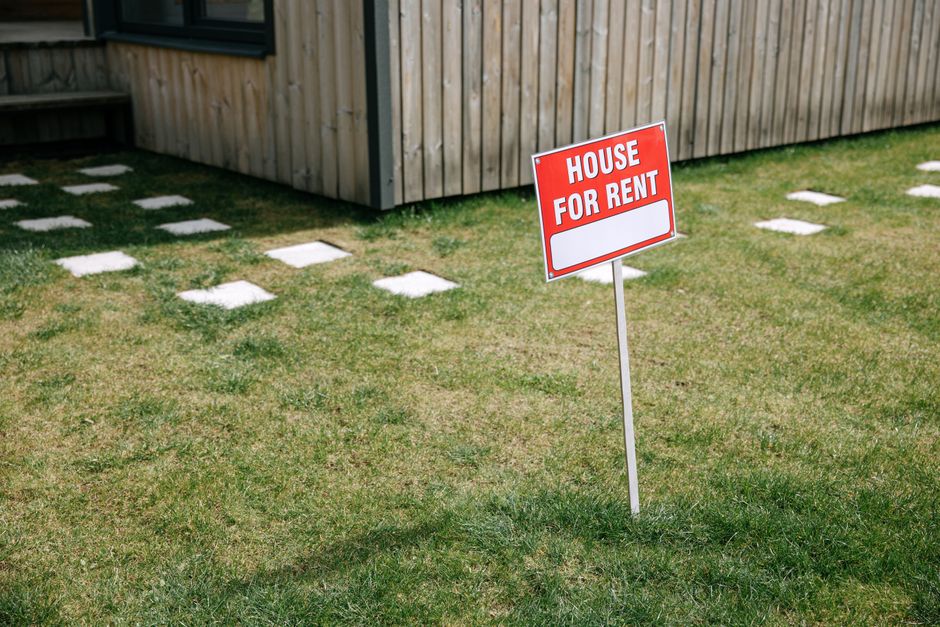
Perth's rental market is in crisis. With vacancy rates hovering below 1 per cent—among the tightest in the nation—tenants are locked in fierce competition for properties that vanish within days of listing. For renters, particularly first-time renters and families, the pressure has become acute.
Recent listings in high-demand suburbs tell the story. A three-bedroom villa in Joondalup recently attracted 47 applications within 48 hours. Similar scenes have played out across Wanneroo, Innaloo and Scarborough, where mining-driven demand continues to push rental yields skyward and vacancy rates downward. Landlords now pick and choose from applicants with military precision.
The paradox is striking: while first-home buyers struggle with the $680,000 median price point—and increasingly question whether the First Home Owners Grant extends far enough—renters face an even more immediate crisis. A family seeking a two-bedroom apartment in the northern suburbs now expects to pay $420–$460 weekly, up sharply from $380 just 18 months ago. Rental growth is outpacing wage growth, leaving many locked out of home ownership while simultaneously squeezed by rising housing costs.
"The rental market has become a landlord's paradise," says one local property manager. "We're seeing applications with references checked within hours. Tenants are offering above-asking-price rent, agreeing to 18-month leases instead of 12, and waiving standard conditions—things unthinkable two years ago."
The root cause is structural. Perth's population growth—driven by interstate migration and mining sector recovery—has far outpaced new rental supply. Development pipelines favour owner-occupied units and townhouses over multi-unit rental complexes. Simultaneously, WA's investor-friendly tax environment has encouraged existing rental stock to be snapped up as buy-to-hold assets, further tightening supply.
For renters, the math is grim. Saving a deposit while competing in a rental market where landlords demand pristine references, proof of income at 30 times weekly rent, and often bonds equivalent to four weeks' rent is extraordinarily difficult. Many are caught in a cycle: squeezed by rent, unable to save for a deposit, locked out of ownership until rents ease or wages catch up.
The irony cuts deep. While national headlines debate whether buyer assistance is sufficient, Perth's renters—often younger, more mobile, and economically vulnerable—face the sharper immediate crisis. Until new rental stock arrives or growth slows, competition will remain fierce and renters will continue to lose out.
This article was compiled by AI from the sources linked above and screened before publishing. See our editorial standards.
Spread the word
About this article
Published by The Daily Perth
Stay in the loop
Daily brief
Free, in your inbox before 7am. Weekdays.
The Daily Network — local news across Australia
More local news across Australia