New Apartment Tower: What It Means for the Local Market
A 28-storey mixed-use development in Perth's CBD signals a shift in investor appetite and could reshape affordability for first-home buyers across the metro area.
2 min read
A 28-storey mixed-use development in Perth's CBD signals a shift in investor appetite and could reshape affordability for first-home buyers across the metro area.
2 min read
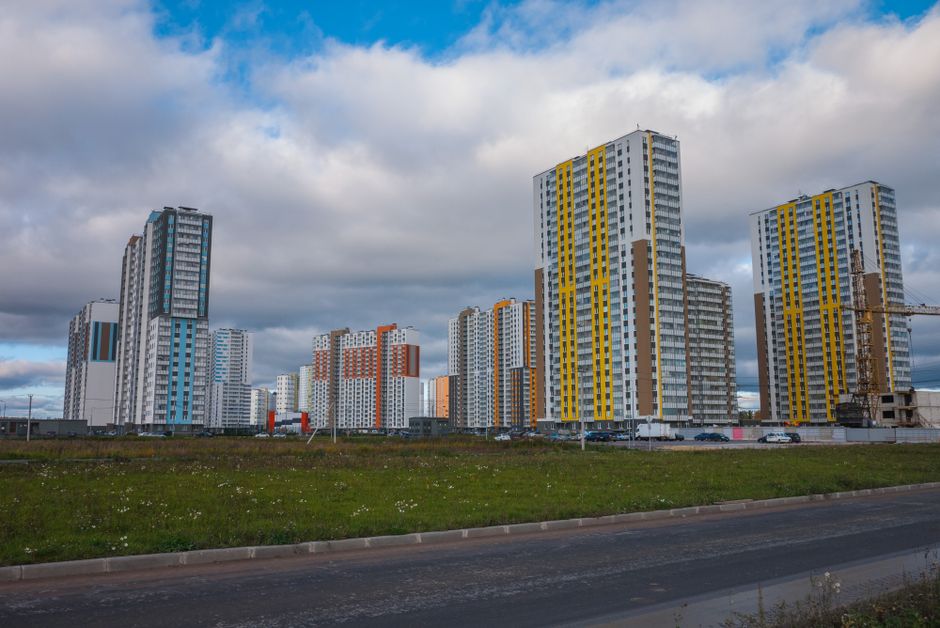
Perth's property market is about to welcome one of its largest residential towers in five years. The announcement of a 28-storey apartment complex on St Georges Terrace—slated for completion in 2029—has reignited debate about supply, density, and what this means for a market where sub-1% vacancy rates have left renters and buyers squeezed.
The 340-unit tower, anchored by ground-floor retail and a 150-space car park, represents a rare injection of medium-density stock into the CBD's supply pipeline. With the WA median hovering near $680,000 and first-home buyer markets increasingly exposed to affordability stress, the timing is significant.
"What we're seeing is developers returning to Perth after a three-year hiatus," says property analyst Rachel Chen, speaking from a local market perspective. "Three years ago, construction costs and financing made apartment towers unviable. Now, that's changing."
The development will include studios, one-, two-, and three-bedroom units, with prices expected to start at $420,000 for studios—positioning them squarely at entry-level buyers. That matters in a city where Joondalup and Wanneroo have absorbed most first-home demand over the past 18 months, driving those suburbs' median prices toward $550,000.
But there's more to parse here than headline numbers. A significant apartment release typically cools surrounding precincts. Inner-city suburbs like Northbridge and East Perth, where older converted heritage apartments have commanded premiums, could see moderate softening. Conversely, established family suburbs further out—Subiaco, Nedlands, Cottesloe—remain insulated by their scarcity value and lifestyle appeal.
The real story is what this signals for the broader market. One tower doesn't solve Perth's housing shortage, but it suggests confidence is returning. More importantly, it indicates that supply-side solutions are finally being considered after years of demand-driven growth.
For investors, the tower's proximity to Perth's hospitality precinct, Langley Park, and the Swan River foreshore makes it attractive to both owner-occupiers and renters—a mixed market that typically supports price resilience. For first-home buyers, the arrival of sub-$500,000 apartments means less pressure to venture into Joondalup or Wanneroo, where extended commutes to the CBD remain a friction point.
By 2029, Perth's market will look materially different. That tower won't crash prices, nor should it. But it may finally ease some of the tension in a market where housing scarcity has been the defining feature for too long.
This article was compiled by AI from the sources linked above and screened before publishing. See our editorial standards.
Spread the word
About this article
Published by The Daily Perth
Stay in the loop
Daily brief
Free, in your inbox before 7am. Weekdays.
The Daily Network — local news across Australia
More local news across Australia