NDIS and disability housing investment explained
As Perth's property market tightens, NDIS-funded housing is emerging as a stable, socially purposeful investment avenue for savvy buyers.
2 min read
As Perth's property market tightens, NDIS-funded housing is emerging as a stable, socially purposeful investment avenue for savvy buyers.
2 min read
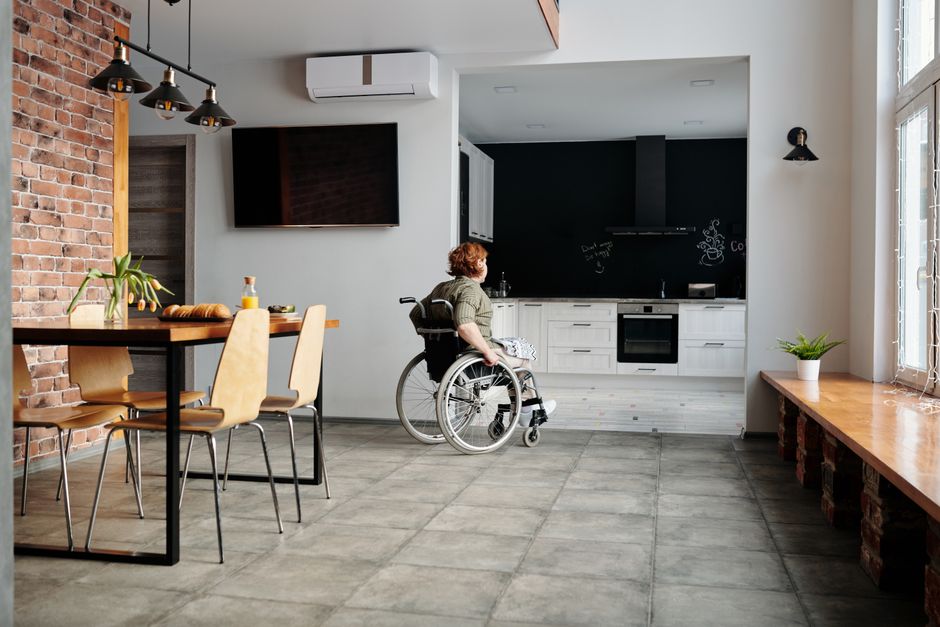
Perth's median property price hovering near $680,000 has sharpened investor focus on alternative residential sectors—and disability housing, underpinned by the National Disability Insurance Scheme, is quietly reshaping the market landscape.
The NDIS, now fully rolled out nationwide, allocates housing and living supports to eligible participants. For property investors, this creates a unique opportunity: acquiring homes specifically designed or adapted for disabled residents, then leasing them back to NDIS participants or their appointed representatives. Returns typically range from 4–6 per cent annually, bolstered by government-backed funding certainty that traditional rental markets lack.
In Perth's context, suburbs with strong accessibility infrastructure and proximity to services are most attractive. Joondalup, with its established medical precincts and proximity to lifestyle amenities, appeals to investors targeting younger NDIS participants. Wanneroo's rapid growth trajectory mirrors broader city expansion, offering capital appreciation alongside rental yield. Closer to the CBD, suburbs like Subiaco and Nedlands attract families seeking independence-enabling housing near universities and employment hubs.
The mechanics are straightforward: investors purchase properties—often modest, three-bedroom homes priced $550,000–$750,000 across mid-ring suburbs—and register them with the NDIA or connect with disability housing providers. Tenants' NDIS plans typically cover rent and property maintenance costs. Investors enjoy tax deductions, depreciation benefits, and reduced vacancy risk; at sub-1 per cent vacancy across Perth, demand far outstrips supply.
Crucially, this model differs from standard investment property. Disability housing requires thoughtful design: ground-floor bedrooms, accessible bathrooms, wider doorways, proximity to transport and healthcare. Investors increasingly partner with specialists—architects, occupational therapists, and disability service organisations—to ensure compliance with the NDIS Quality and Safeguards Commission standards.
However, considerations exist. Regulatory oversight is tightening. Properties must meet stringent accessibility and safety audits. Rent is often capped below market rates to protect participants. Investors must navigate complex NDIS funding timelines and documentation.
Perth's property supply crunch makes disability housing particularly compelling. With migration driving demand and new builds struggling to keep pace, purpose-built or adapted homes serve a genuine shortage. Unlike the speculative froth seen in eastern capitals' luxury segments, disability housing investment anchors itself in social need and government-backed income streams.
For investors seeking stability amid Perth's tightening market, disability housing offers meaningful returns without the volatility of first-home buyer competition or vacancy exposure. It's an emerging asset class worth considering.
This article was compiled by AI from the sources linked above and screened before publishing. See our editorial standards.
Spread the word
About this article
Published by The Daily Perth
Stay in the loop
Daily brief
Free, in your inbox before 7am. Weekdays.
The Daily Network — local news across Australia
More local news across Australia