Perth's Population Boom Will Widen Housing Supply Gap, New Projections Warn
WA is set to welcome 600,000 new residents by 2050, but current building rates fall dangerously short of demand.
2 min read
WA is set to welcome 600,000 new residents by 2050, but current building rates fall dangerously short of demand.
2 min read
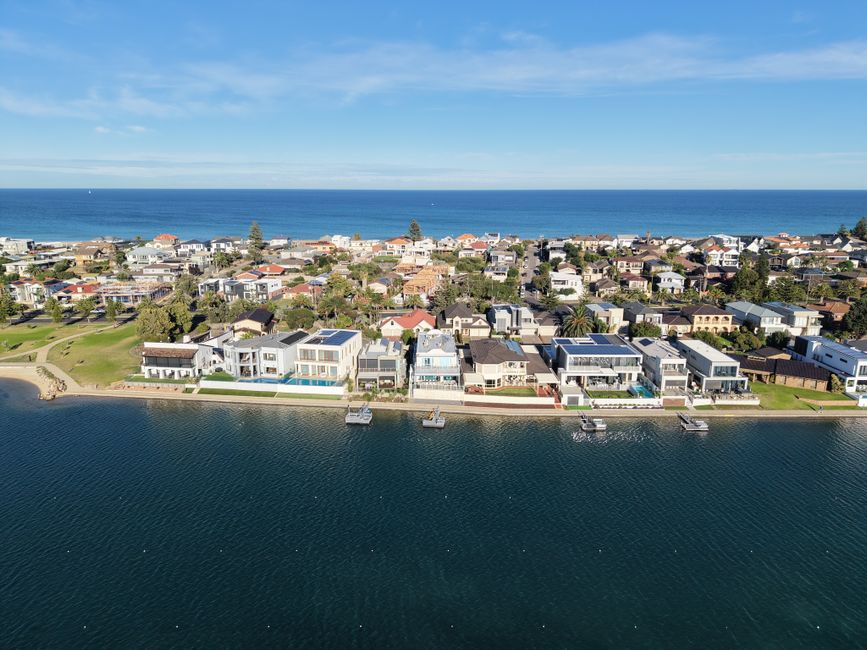
Perth's property market faces a critical juncture. While the median price hovers around $680,000 and vacancy rates sit below 1%, new population projections suggest the city's housing supply crisis will intensify dramatically over the next two decades.
The Western Australian Department of Planning estimates WA will add approximately 600,000 residents by 2050, with Perth absorbing the lion's share. That represents growth of roughly 25 percent on today's population. Yet housing commencements remain stubbornly flat, with builders constrained by rising costs, skilled labour shortages, and land availability.
"We're looking at a mismatch between supply and demand that could price out an entire generation of first-home buyers," says Maria Chen, senior analyst at Perth Property Insights. "Unless construction accelerates significantly, we'll see continued upward pressure on prices across established suburbs and newer growth corridors."
The strain is already visible in outer suburbs. Joondalup and Wanneroo, traditionally affordable entry points, have seen median prices climb 12-15 percent year-on-year as young families migrate northward. New estates around Yanchep and Two Rocks are absorbing overflow demand, but infrastructure—roads, schools, Metronet connections—lags behind settlement rates. The lack of public transport to these areas remains a major headwind for accessibility.
Inner suburbs are faring differently. Established pockets like Subiaco, near Kings Park, and Cottesloe command premiums, but median prices have stabilised as buyers shift focus to emerging precincts. Bayswater and Morley are attracting downsizers and investors betting on future infrastructure investment, particularly along proposed extensions of the Mitchell Freeway.
The supply gap threatens to push median prices beyond $750,000 within three years if current trends hold, pricing out first-home buyers earning under $90,000 annually. Rental stress is acute, too—sub-1% vacancy means landlords command premium rents, with three-bedroom homes in growth corridors now fetching $2,200-$2,500 monthly.
State and local governments have signalled intention to fast-track approvals for medium-density housing near town centres and transport nodes. However, planning delays and community opposition to apartment zoning in established suburbs continue to slow delivery. Authorities must balance rapid housing delivery with infrastructure capacity and amenity concerns.
The next 24 months will prove decisive. Without aggressive policy intervention—streamlined approvals, developer incentives, and strategic land release—Perth's supply gap will widen, locking out first-home buyers and intensifying social pressures. The city's mining-driven prosperity masks a looming affordability crisis waiting in the wings.
This article was compiled by AI from the sources linked above and screened before publishing. See our editorial standards.
Spread the word
About this article
Published by The Daily Perth
Stay in the loop
Daily brief
Free, in your inbox before 7am. Weekdays.
The Daily Network — local news across Australia
More local news across Australia