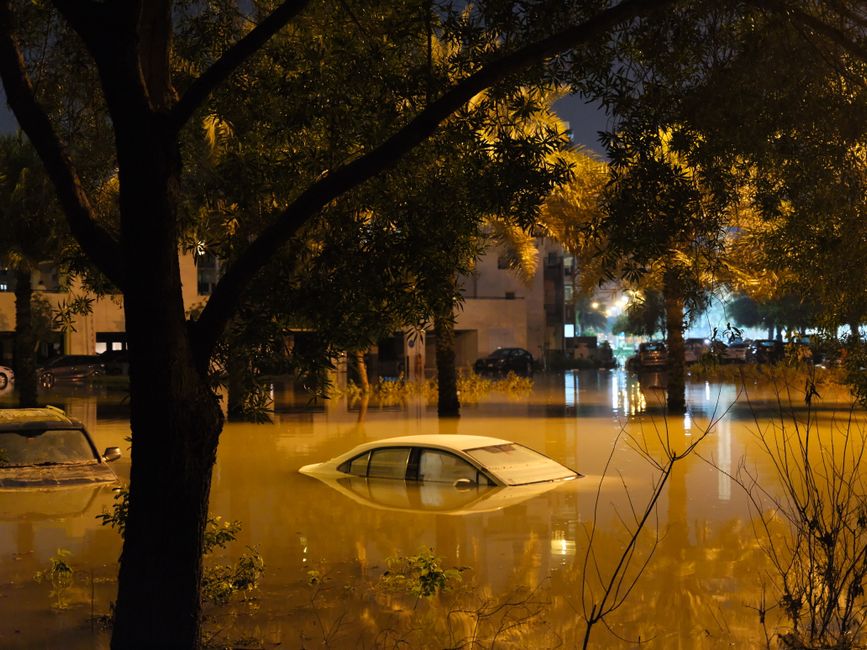
As Western Australia's property market tightens, savvy buyers are increasingly scrutinising environmental hazards—and premiums are shifting accordingly.
Perth's red-hot property market has long been driven by mining-linked migration and chronic housing shortage, but a quieter shift is underway. Climate risk assessment is moving from the margins of buyer due diligence into mainstream conversation, reshaping which suburbs command premiums and which face headwinds.
The WA median of $680,000 masks widening disparities. Suburbs along the Swan River corridor—Burswood, East Perth, and Applecross—are attracting scrutiny over flooding potential during extreme weather events. Meanwhile, properties in the fire-prone hills east of Perth, including parts of Kalamunda and Mundaring, are seeing extended settlement periods as buyers demand detailed bushfire risk assessments and insurance clarity.
"We're seeing conditional offers more frequently," says one Joondalup agent, who notes that buyers are now routinely requesting environmental reports before committing. "A decade ago, that was rare. Today, it's standard in suburbs near creek lines or evacuation zones."
Advertisement
The northern growth corridor—Joondalup and Wanneroo—has benefited from distance from historical fire zones, but rising temperatures are shifting that calculus. Developers are increasingly highlighting water security, vegetation management, and proximity to parks like Yellagonga Regional Park as resilience features rather than amenity add-ons.
Insurance is the silent pressure point. Premiums for properties in higher-risk postcodes are climbing, and some insurers are tightening coverage. A property valued at $750,000 in a moderate-risk area might face annual insurance costs $1,500–$2,000 higher than an equivalent home in a lower-risk zone—a gap that savvy buyers are factoring into their 30-year holding calculations.
Perth's sub-1% vacancy rate means supply-side pressures still dominate the market. Climate concerns haven't triggered the kind of price crashes seen in flood-prone Brisbane suburbs. Instead, they're creating a two-tier market: premium pricing for climate-resilient addresses, softer movement in exposed areas.
Conveyancers and mortgage brokers report that clients are asking harder questions about stormwater infrastructure, insurance history, and council flood-risk mapping. Some buyers are requesting price reductions of 5–8% to offset future insurance and potential remediation costs.
As Perth's market continues to mature and tighten, climate literacy is no longer a niche concern—it's becoming a standard feature of rational decision-making. Buyers who overlook it may find themselves holding properties that are progressively harder to sell, even in a market as tight as Perth's currently is.
This article was compiled by AI from the sources linked above and screened before publishing. See our editorial standards.