Perth's Land Tax Reset: What Interstate Investors Must Know Before the Next Buy
Western Australia's property tax overhaul is reshaping rental yield calculations for out-of-state investors eyeing Perth's sub-1% vacancy goldmine.
2 min read
Western Australia's property tax overhaul is reshaping rental yield calculations for out-of-state investors eyeing Perth's sub-1% vacancy goldmine.
2 min read
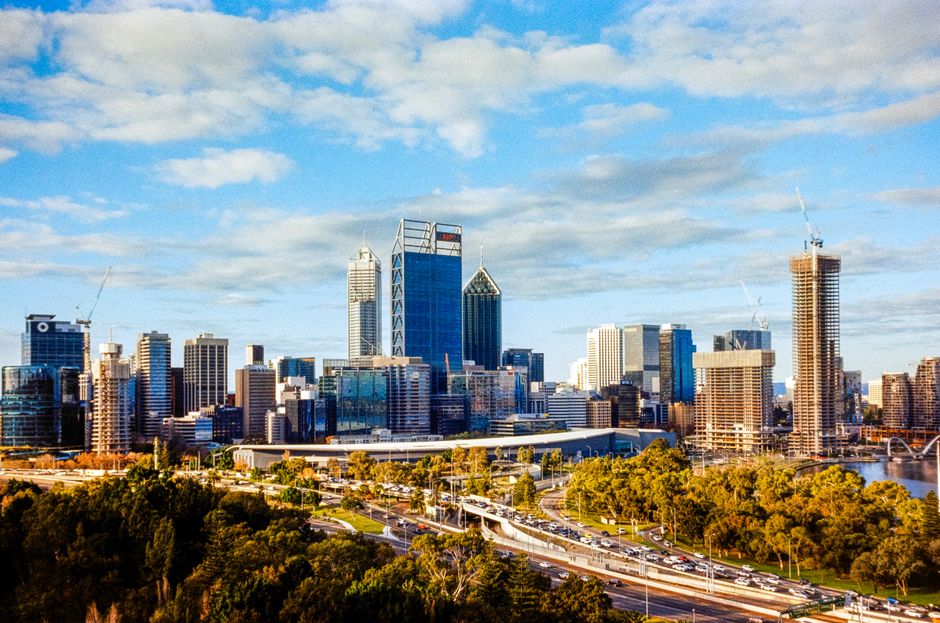
Perth's investment market has never looked more tempting to interstate capital. With the WA median hovering near $680,000 and vacancy rates below 1%, rental yields are outperforming most east-coast markets. But savvy investors from Sydney and Melbourne are discovering that property tax changes in Western Australia are rewriting the maths on their prospective returns.
Land tax reform in WA, which took effect in July 2024, introduced a new assessment system that has caught many interstate portfolio holders off guard. The shift from unimproved land value to a broader metropolitan valuation zone means investors holding multiple properties across Perth—whether in hot spots like Joondalup, Wanneroo, or established suburbs closer to the CBD—are facing recalculated tax bills that don't always align with their initial models.
For interstate investors already holding Perth property, the impact varies wildly by location and portfolio size. A investor with a $750,000 apartment in Northbridge faces a different tax burden under the new framework than one holding vacant land in the expanding Wanneroo corridor, where median prices sit around $580,000. The devil, as always, is in the detail of how the State Revenue Office values your particular holding.
"The biggest surprise we're seeing," says one Perth buyer's agent familiar with interstate portfolios, "is that investors haven't factored the new land tax into their yield calculations. A property that looked like a 4.5 per cent gross yield suddenly feels tighter when you account for the revised tax obligation."
For those considering entry into Perth's market now, the reformed land tax regime is actually clearer than it was. Investors can use published valuation guides and speak directly with the SRO before committing capital. Properties in growth corridors like Joondalup—where new family homes cluster around established shopping precincts and parks—often attract lower land tax exposure than CBD-adjacent apartments, thanks to how the new zones are structured.
The sub-1% vacancy rate remains Perth's golden ticket. Rental demand is fierce, particularly for family homes in the north and east. But interstate investors must now treat land tax as a material line item in their investment spreadsheet, not an afterthought. A $600,000 house purchase that yields $24,000 annually in rent looks different when you're paying $2,500 or more in annual land tax, depending on portfolio composition and valuation.
The lesson: run your numbers twice. Once for gross yield, and once net of WA's reformed land tax. Perth's investment case remains strong—but only for those who've done their homework on the tax architecture that now underpins it.
This article was compiled by AI from the sources linked above and screened before publishing. See our editorial standards.
Spread the word
About this article
Published by The Daily Perth
Stay in the loop
Daily brief
Free, in your inbox before 7am. Weekdays.
The Daily Network — local news across Australia
More local news across Australia