Perth Tech Hubs Reshape Job Market Across CBD
East Perth and CBD startups disrupt traditional careers, creating new pathways for WA workers seeking alternative to corporate roles.
2 min read
East Perth and CBD startups disrupt traditional careers, creating new pathways for WA workers seeking alternative to corporate roles.
2 min read
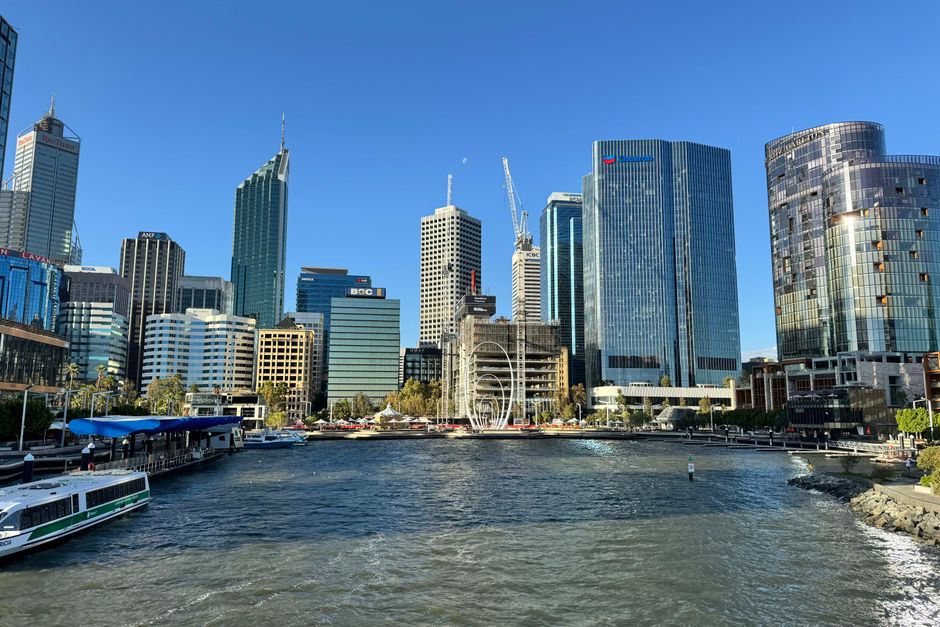
Perth's startup ecosystem is experiencing unprecedented growth, with innovation precincts now reshaping the city's labour market in ways that challenge decades of traditional employment patterns. The emergence of tech-focused districts, particularly around East Perth's Claisebrook corridor and the revitalised CBD zones near King Street, is creating a fundamentally different job landscape for thousands of workers.
According to recent data from the Western Australian Technology Council, Perth-based startups have created approximately 2,400 new jobs over the past 18 months—a figure that would have seemed unrealistic five years ago when the city's economy was heavily weighted towards resources and professional services. Office rents in innovation hotspots have climbed accordingly, with premium workspace in East Perth commanding $450–$600 per square metre annually, up from $280 in 2023, reflecting fierce competition for prime locations.
The shift is particularly evident in how employers operate. Rather than the rigid hierarchies that characterised Perth's mining and finance sectors, startups clustering around venues like Stone & Chalk on Beaufort Street and the emerging innovation corridors near QV1 are prioritising flexibility, remote work options, and merit-based advancement. This has created friction in the traditional job market: established firms report increased difficulty recruiting mid-level talent who are drawn to startup equity packages and entrepreneurial cultures.
"We're seeing a generational realignment," observes the chair of Perth's Business Council, though universities including UWA and Curtin are reporting sharp increases in entrepreneurship enrolments, suggesting the pipeline of startup-oriented talent will only deepen. Graduate starting salaries in tech roles now exceed those in traditional professional services by 8–12 per cent, a reversal that would have been unthinkable a decade ago.
The ripple effects extend beyond salaries. Accommodation demand is shifting: Inner-city apartments and riverside developments along the Swan River precinct are attracting younger professionals who previously might have settled in outer suburbs. Commercial property investors are recalibrating portfolios to capture this trend, while transport planners worry about congestion impacts around innovation zones.
However, the transition isn't painless. Workers displaced from contracting resources sectors face a skills gap; retraining initiatives run by the Department of Jobs, Tourism, Science and Innovation remain underutilised. Meanwhile, concerns about affordability and equity persist—the startup boom largely benefits university-educated professionals, leaving Perth's broader workforce struggling to navigate changed expectations.
As these innovation districts mature, Perth faces a critical question: whether this transformation will broaden economic opportunity or simply redistribute prosperity among a narrower, already-privileged demographic.
This article was compiled by AI and screened before publishing. See our editorial standards.
Spread the word
About this article
Published by The Daily Perth
Stay in the loop
Daily brief
Free, in your inbox before 7am. Weekdays.
The Daily Network — local news across Australia
More local news across Australia