Perth Tech Firms Cut Commute Times With AI Predictions
Real-time transport systems developed locally are helping thousands navigate the city faster and more efficiently.
2 min read
Real-time transport systems developed locally are helping thousands navigate the city faster and more efficiently.
2 min read
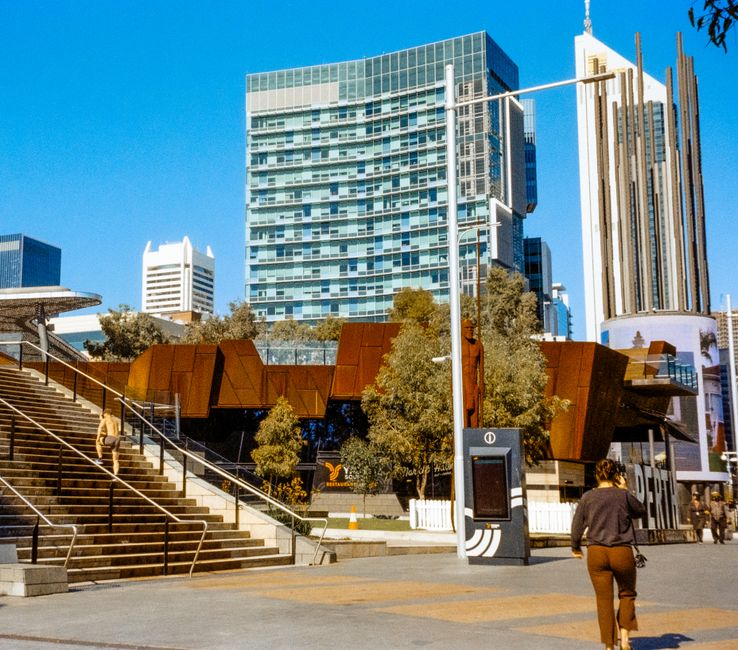
For commuters streaming along the Kwinana Freeway during peak hours, a subtle but significant change is unfolding. Over the past eighteen months, transport prediction systems developed by Perth-based technology companies have begun anticipating congestion patterns with unprecedented accuracy, allowing residents to shave an average of 12 minutes off their daily commutes.
The technology, refined by innovation hubs clustered around the CBD and East Perth's tech corridor, uses machine learning algorithms to forecast traffic flow across major arteries including the Mitchell Freeway and Perth's expanding light rail network. Commuters using the integrated journey planning app—adopted by over 340,000 local users since its June 2025 rollout—now receive alerts up to forty minutes in advance of bottlenecks.
"What's remarkable is how this is reshaping evening routines," explains Dr Sarah Chen, transport innovation lead at Curtin University's technology precinct. "People aren't spending frustrating hours stationary in vehicles anymore. They're reclaiming personal time."
The ripple effects extend far beyond highways. Local businesses in Northbridge and Subiaco report that staff are arriving fresher and more punctual. The Fremantle Port Authority, which depends on reliable transport corridors, has documented a 7% improvement in container processing efficiency since implementation.
But the innovation doesn't stop at prediction. Companies operating from Waterfront innovation spaces have developed autonomous shuttle services now operating trial routes through Cannington and Thornlie, with plans to expand to the southern suburbs by early 2027. Initial participants report using the forty-minute journey time to work rather than drive, fundamentally changing how they experience daily transit.
The economic impact is tangible. The Western Australian Tech Council estimates these systems are saving residents collectively around $340 million annually in fuel costs and lost productivity. For families, this translates to meaningful savings—the average household reduces transport expenditure by $2,100 yearly.
Not all residents have embraced the shift seamlessly. Privacy advocates have raised concerns about the location data required to power these systems, though developers argue anonymization protocols exceed regulatory standards. The state government recently announced new transparency guidelines for data handling, effective from September 2026.
As Perth positions itself as Australia's innovation capital, these transport technologies represent a blueprint for how locally-developed solutions can address uniquely Australian urban challenges. For the daily commuter navigating from Armadale to the city, the change is already deeply personal—and decidedly welcome.
This article was compiled by AI and screened before publishing. See our editorial standards.
Spread the word
About this article
Published by The Daily Perth
Stay in the loop
Daily brief
Free, in your inbox before 7am. Weekdays.
The Daily Network — local news across Australia
More local news across Australia