Perth's Green Spaces Outshine Global Cities
Riverside trails and lakeside suburbs give Perth an outdoor living edge that rivals world capitals.
2 min read
Riverside trails and lakeside suburbs give Perth an outdoor living edge that rivals world capitals.
2 min read
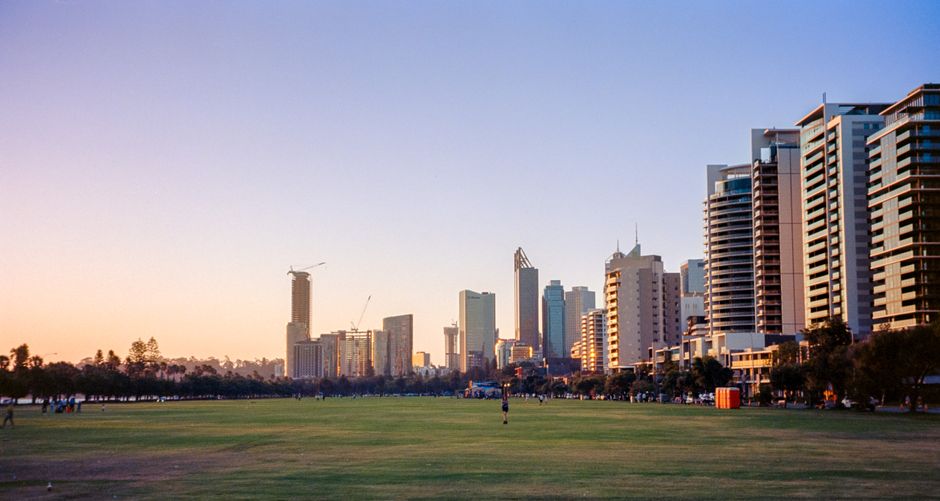
Walk through Kings Park on any given morning, and you'll encounter a scene that would make urban planners in London, New York or Singapore weep with envy. Joggers navigate 400 hectares of native bushland while the Swan River glimmers below. There's no admission fee, no time limits, no sense of scarcity. It's this abundance of accessible green space that fundamentally distinguishes Perth from the world's other major cities.
The numbers tell part of the story. Perth residents enjoy approximately 9.5 square metres of parkland per capita—well above the World Health Organisation's recommended 9 square metres, and substantially more than comparable global cities. Sydney manages around 6 square metres per resident; London barely scrapes 3. Yet it's not simply about quantity.
What sets Perth apart is the deliberate integration of nature into everyday living patterns. Along the Canning River, the Canning Bridge to Fremantle trail stretches over 40 kilometres, threading through suburbs like Applecross and Attadale, where residents can literally step from their homes onto maintained cycling and walking paths. This seamless connectivity—absent in most international cities—transforms outdoor activity from weekend excursion into daily routine.
The South Perth foreshore perfectly exemplifies this philosophy. Where comparable waterfront developments globally prioritise commercial density, Perth has preserved the Mends Street precinct as a destination for families, offering unobstructed river access, barbecue facilities and vast grassy areas that rarely feel overcrowded even during peak usage. Compare this to Sydney's Circular Quay or Melbourne's Southbank, where every patch of waterfront commands premium prices and visitor density rivals shopping malls.
The suburban model amplifies this advantage. Suburbs like Nedlands and Claremont feature generous block sizes—typically 600-800 square metres compared to London's average 400—allowing private green space to complement public reserves. This distributed approach prevents the park-hunger that plagues denser cities where millions compete for limited oxygen.
Perth's climate advantage shouldn't be overlooked either. With 250+ days of annual sunshine, outdoor spaces function year-round in ways that northern hemisphere cities simply cannot match. Hyde Park in London serves a seasonal population; Bold Park near Floreat serves a committed outdoor community across all seasons.
Yet challenges loom. Population projections suggest Perth will exceed 2.8 million residents by 2050. Protecting this green inheritance requires continued investment in park infrastructure and strategic land preservation. Other cities have watched their green credentials erode as density increased; Perth still has opportunity to plan differently.
The question isn't whether Perth has superior parks—it's whether we'll maintain the foresight that created them.
This article was compiled by AI and screened before publishing. See our editorial standards.
Spread the word
About this article
Published by The Daily Perth
Stay in the loop
Daily brief
Free, in your inbox before 7am. Weekdays.
The Daily Network — local news across Australia
More local news across Australia