Perth retailers and venues adapt as spending shifts
Northbridge and CBD businesses respond to changing consumer habits amid global economic uncertainty. Here's what's changing.
2 min read
Northbridge and CBD businesses respond to changing consumer habits amid global economic uncertainty. Here's what's changing.
2 min read
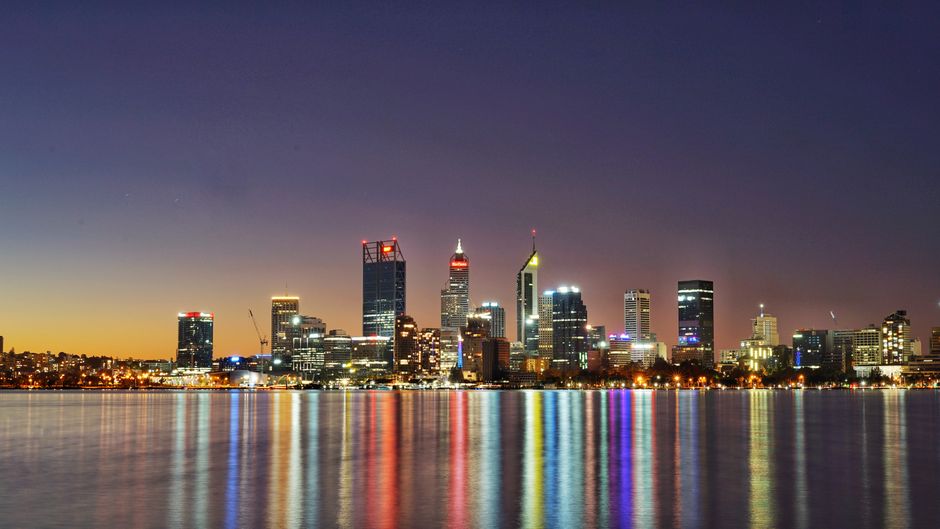
Perth's retail and hospitality landscape is undergoing a significant recalibration as economic headwinds and shifting consumer behaviour force businesses to rethink their strategies heading into the second half of 2026.
Operators across the city—from Hay Street's established retailers to the booming food scene in Northbridge and South Perth—are reporting a clear bifurcation in spending patterns. While premium dining and experiential venues continue to draw customers willing to pay top dollar, mainstream retail and mid-range cafes are facing margin pressure as consumers become increasingly selective.
Data from the Australian Retailers Association suggests discretionary spending in Western Australia has cooled compared to early 2026, with average transaction values tightening across non-essential categories. For Perth venues, this means the days of automatic foot traffic are firmly behind us. The competition for consumer attention—and their wallets—has intensified markedly.
Several structural shifts are reshaping the operating environment. Supply chain volatility, particularly for imported goods, continues to affect inventory planning and pricing strategies. Staffing remains a persistent challenge, with hospitality wages in Perth now tracking 8-12 per cent above 2024 levels, compressing margins for businesses unable to raise prices without losing customers. Meanwhile, online competition shows no signs of abating, forcing physical retailers to sharpen their value proposition.
Successful operators are pivoting toward experience-led retail and hyper-local food concepts. Venues investing in community engagement, whether through live music programming, cooking classes, or dedicated loyalty programs, are reporting stronger retention. The Kings Park precinct and Perth's riverside dining corridor are seeing particular dynamism as businesses tap into lifestyle-focused positioning rather than competing purely on price.
Technology adoption has become non-negotiable. Point-of-sale systems capable of detailed customer analytics, efficient online ordering infrastructure, and social media marketing are now table stakes rather than competitive advantages. Businesses still relying on legacy systems are finding themselves at a disadvantage.
For food businesses specifically, the sustainability narrative is resonating with Perth's affluent inner-city demographics. Local sourcing, waste reduction, and transparent supply chains are increasingly factoring into consumer choices—and justifying premium pricing.
The consensus among industry observers: adaptability matters more than scale. The nimble independent operator on Oxford Street or Beaufort Street can outmaneuver large chains by responding quickly to local trends. The next 12 months will likely see consolidation among weaker players and reinvention among those willing to embrace change.
This article was compiled by AI and screened before publishing. See our editorial standards.
Spread the word
About this article
Published by The Daily Perth
Stay in the loop
Daily brief
Free, in your inbox before 7am. Weekdays.
The Daily Network — local news across Australia
More local news across Australia