Perth residents demand faster action on Canning River health
Community pushes back against stalled foreshore plan as water quality concerns mount across affected suburbs.
2 min read
Community pushes back against stalled foreshore plan as water quality concerns mount across affected suburbs.
2 min read
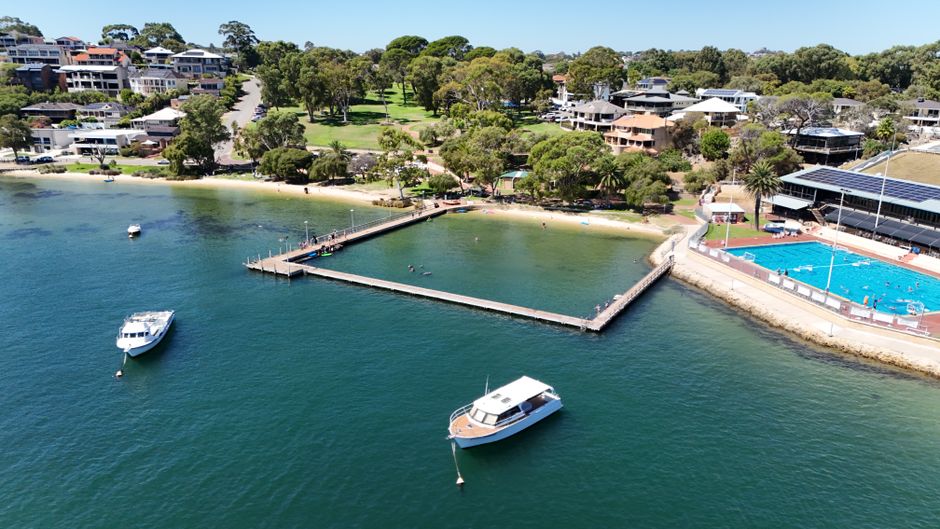
Residents along Perth's riverfront are growing increasingly vocal about the pace of environmental remediation efforts, with community groups in Applecross, Dalkeith and Kensington expressing frustration over delays in addressing long-standing water quality issues affecting the Swan and Canning rivers.
The concern intensifies as winter months approach, when nutrient runoff from urban catchments typically accelerates algal blooms that have blighted recreational use for years. Local environmental groups have documented persistent blue-green algae outbreaks, particularly between the Canning Bridge and Thornlie Weir, limiting swimming and boating activities that residents say are fundamental to Perth's lifestyle.
"We're seeing the same problems year after year," said a spokesperson for the South Perth Environmental Group, which has coordinated monthly water quality monitoring along the Canning foreshore since 2022. "The state government talks about sustainability targets, but implementation on the ground moves at a snail's pace."
The Metronet expansion programme, while welcomed for reducing car dependency, has raised concerns about construction-phase sediment runoff and long-term stormwater management. Environmental advocacy groups have called for the project to incorporate more rigorous water filtration systems along the Belmont and Perth areas, where catchments drain directly into the river system.
Residents in suburbs like Maylands and Bayswater—experiencing significant population growth tied to Perth's housing surge—point to inadequate stormwater infrastructure struggling to cope with increased residential density. Community surveys conducted by local residents' associations indicate 73% of respondents believe current environmental regulations are insufficient to protect river health alongside development.
The state government's Indian Ocean Strategy emphasises blue economy growth and marine protection, yet grassroots activists argue this framework hasn't translated into visible improvements for urban waterways. Recent budget announcements allocated funding for riverbank restoration projects, but community representatives say timelines remain vague and insufficient.
"We want transparency," explained a Dalkeith resident involved in the Canning River Alliance. "Tell us specifically what will change, by when, and how residents can hold you accountable. Generic sustainability commitments aren't enough when our rivers are degrading."
Environmental scientists at Curtin University note that addressing Perth's water quality challenges requires coordinated action across planning, transport, agriculture and industrial development—sectors that often operate independently. Without integrated policy, they warn, community expectations for recovery will continue to outpace actual outcomes, eroding public trust in government environmental stewardship at a critical moment for Western Australia's long-term sustainability.
This article was compiled by AI and screened before publishing. See our editorial standards.
Spread the word
About this article
Published by The Daily Perth
Stay in the loop
Daily brief
Free, in your inbox before 7am. Weekdays.
The Daily Network — local news across Australia
More local news across Australia