Perth councils impose stricter density limits on new developments
New planning rules are forcing developers to reduce tower heights and redesign streetscapes across the metro area.
2 min read
New planning rules are forcing developers to reduce tower heights and redesign streetscapes across the metro area.
2 min read
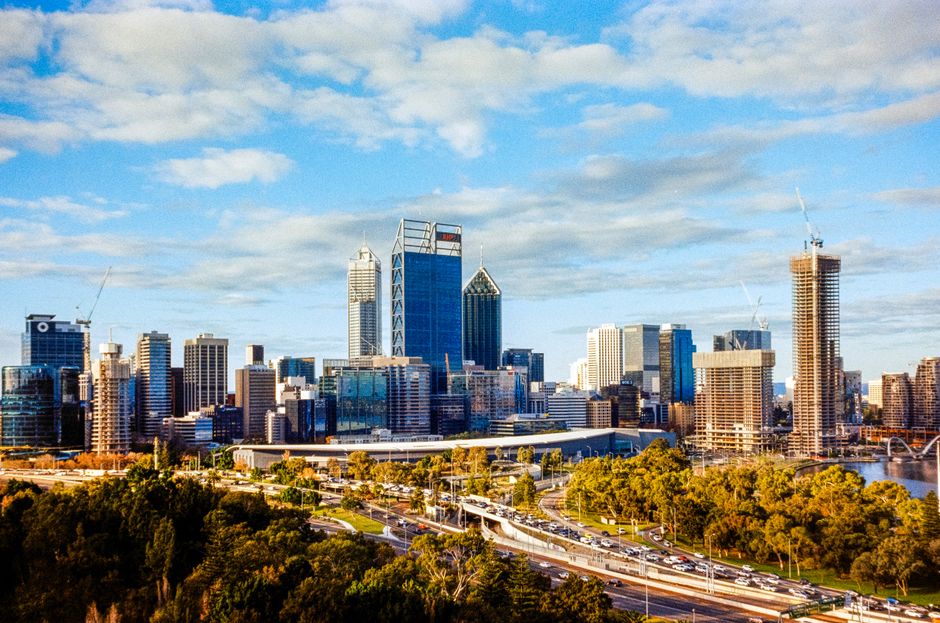
Perth's planning landscape is shifting beneath developers' feet. Across the metropolitan area, local councils are implementing tighter design standards and density controls that are fundamentally changing what new residential and mixed-use projects can deliver—and where.
The most significant moves have come in inner-ring suburbs where rapid growth has collided with amenity concerns. Councils including Subiaco, Nedlands and Perth City have introduced revised design frameworks that now mandate ground-floor activation requirements, street-tree canopy targets, and setback provisions that limit the sheer bulk of towers facing established streetscapes.
For Joondalup and Wanneroo—Perth's fastest-growing corridors—the pressure is different. While development appetite remains strong, councils have begun imposing density caps on certain zones and requiring developers to contribute to local infrastructure before projects proceed. The City of Joondalup's revised structure plan, now under community consultation, proposes limiting residential densities in areas within 400 metres of local shopping precincts, a move that could significantly constrain yield on several prominent development sites along Lakeside Drive.
The financial implications are substantial. Developers operating across multiple local authority areas report having to redesign projects mid-process, adding months to approval timelines. A mid-rise residential scheme planned for South Perth, which initially proposed 12 storeys, was recently revised to nine storeys following revised council guidelines emphasising heritage transitions and neighbourhood character.
What's driving the change? Partly it's community push-back. With Perth's median dwelling price sitting around $680,000 and vacancy rates below 1 per cent, residents in established suburbs increasingly view rapid densification as a threat rather than a solution. Councils are responding to that political reality.
But there's also a genuine urban design conversation underway. Peak bodies including the Planning Institute of Australia WA branch have been advocating for design quality to keep pace with density, arguing that Perth's rapid growth window—fuelled by mining-linked demand and interstate migration—requires developments that enhance, rather than merely fill, the urban fabric.
Developers who adapt are finding opportunities. Projects that embrace tighter streetscapes, prioritise walkability and activate ground floors are moving through approvals faster. Conversely, speculative proposals that rely on bulk and height to maximise yield are increasingly facing extended review periods or redesign mandates.
For investors and owner-occupiers, the message is clear: Perth's next wave of growth will be shaped as much by design rules as by market demand. Those watching the market should pay close attention to individual council planning changes—they're the new determinant of what gets built next.
This article was compiled by AI and screened before publishing. See our editorial standards.
Spread the word
About this article
Published by The Daily Perth
Stay in the loop
Daily brief
Free, in your inbox before 7am. Weekdays.
The Daily Network — local news across Australia
More local news across Australia