news
Perth's Housing Boom: What Happens Next and the Key Decisions Ahead
As the city grapples with a surge in demand, policymakers must make crucial choices to ensure affordable and sustainable growth
How we reported this
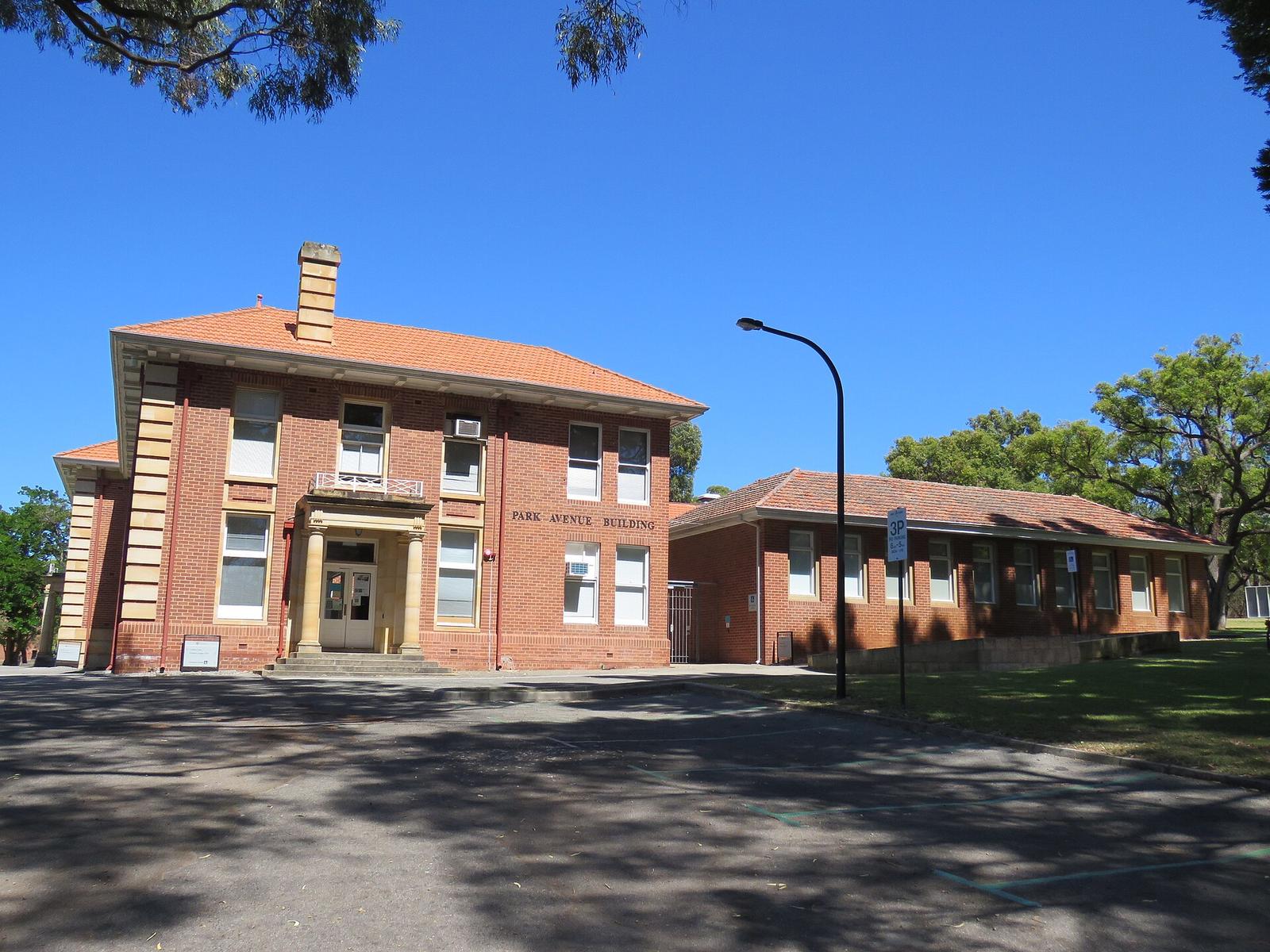
The Western Australian government is facing mounting pressure to address the state's housing affordability crisis, with the median house price in Perth now exceeding $650,000.
This issue matters now because the current surge in demand, driven by a strong resources economy and immigration, is putting a strain on the city's infrastructure and pricing out many would-be buyers. The state's economy, heavily reliant on iron ore exports, is experiencing a period of significant growth, with major defence contracts, including the AUKUS deal, set to further boost the economy. However, this growth also brings challenges, including a shortage of affordable housing options and increased pressure on transport networks, such as the Metronet rail expansion.
In Perth, the impact of the housing boom is being felt in suburbs like Scarborough and Fremantle, where property prices have skyrocketed in recent years. Organisations like the University of Western Australia and Curtin University are also feeling the pinch, as students and staff struggle to find affordable accommodation. The City of Perth's Local Housing Strategy, launched in 2020, aims to increase the supply of affordable housing, but more needs to be done to address the issue. The strategy includes initiatives like the Metronet precincts program, which aims to deliver 50,000 new homes near transport hubs by 2031.
According to data from the Real Estate Institute of Western Australia, the median rent in Perth has increased by 15% in the past 12 months, with the average rent now standing at $450 per week. Meanwhile, a report by the Australian Bureau of Statistics found that the number of first-home buyers in Western Australia has decreased by 20% in the past year, with many would-be buyers priced out of the market. The state government's Keystart loan program, which provides low-deposit home loans to first-home buyers, has helped some buyers enter the market, but the program's funding is limited, and more needs to be done to support affordable housing initiatives.
Key Decisions Ahead
So, what happens next? The state government must make some key decisions to ensure that Perth's housing market remains affordable and sustainable. This includes increasing the supply of affordable housing, investing in transport infrastructure, and providing support for first-home buyers. The government's upcoming state budget, set to be released in September, will be closely watched for signs of how it plans to address the housing affordability crisis. In the meantime, buyers and renters can take advantage of initiatives like the City of Perth's Affordable Housing Strategy, which includes programs like the National Rental Affordability Scheme, and the state government's Rent Relief program, which provides financial assistance to low-income renters. By understanding the key decisions ahead and the initiatives available, Perth residents can better navigate the city's complex housing market and plan for their future.