Duplicate Image Chaos in Perth's Property Market: What Happens Next and the Key Decisions Ahead
A growing wave of duplicate listing photographs is forcing buyers, agents and regulators to work out who fixes the problem — and who pays.
3 min read
A growing wave of duplicate listing photographs is forcing buyers, agents and regulators to work out who fixes the problem — and who pays.
3 min read
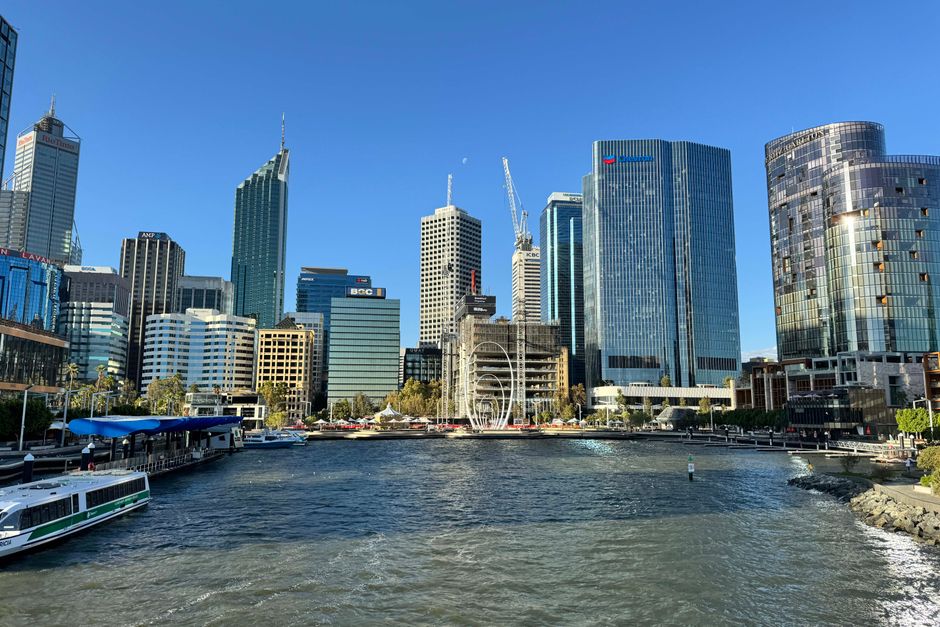
Perth's residential property market is confronting a specific and increasingly costly problem: duplicate images circulating across listing platforms, misleading buyers and muddying valuations at a time when median house prices in suburbs like Balga and Midland have climbed sharply over the past 18 months. The issue has moved from a minor administrative irritant to something with real financial stakes, as pressure builds on Real Estate Institute of Western Australia members and digital listing platforms to establish a clear remediation process.
The timing is not accidental. WA's housing demand surge — driven by population growth linked to resources sector employment, AUKUS-related defence contractor relocations to the Stirling Naval Base corridor, and ongoing immigration intake — has compressed the time agents spend on listing quality checks. A property in Osborne Park or Innaloo can receive dozens of inquiries within hours of going live. When the wrong images appear on a listing, or photographs from a sold property resurface on a new one, the consequences move fast.
Duplicate images typically enter circulation in two ways. A photographer or agency re-uses a shoot without updating metadata, or an agent copies a prior listing template without stripping the original photographs. On platforms like realestate.com.au and Domain, which together dominate WA's residential search traffic, an incorrectly imaged listing can run for days before a complaint triggers a takedown review. The Real Estate and Business Agents Act 1978, administered by Consumer Protection WA — a division of the Department of Energy, Mines, Industry Regulation and Safety — does not contain specific provisions covering digital image duplication, leaving enforcement in a grey zone.
Consumer Protection WA's complaints process requires a formal lodgement, which then goes to an investigator. That process has historically taken between four and twelve weeks for property-related matters, according to the agency's published service standards. For a buyer who made an offer based on images that turned out to belong to a different property, twelve weeks is a long time to wait. The WA State Administrative Tribunal sits as the escalation point for disputes that cannot be resolved at the Consumer Protection stage, but getting there requires time and, often, legal assistance.
Industry self-regulation is the other track. REIWA's Professional Standards Committee has the power to refer members for disciplinary review. The committee met in May 2026 and, according to its published agenda — available on REIWA's website — image integrity was listed as a standing discussion item for the second consecutive quarter, a signal that the issue has volume behind it even if specific case numbers have not been made public.
Several pressure points will resolve — or worsen — over the next six months. First, the State Government's Digital Economy unit within the Department of the Premier and Cabinet is understood to be reviewing whether WA's consumer protection framework needs amendment to explicitly address AI-assisted and duplicated real estate imagery. No bill has been tabled as of 4 July 2026, but the review was flagged in the 2026-27 State Budget papers under a broader digital consumer rights allocation.
Second, the listing platforms themselves face a choice. Automated image-hash detection technology — the kind used routinely by stock photography licensing companies — can flag duplicate images at upload. Implementing it at scale across Australian property portals would require coordination and capital expenditure. Whether platforms move voluntarily or wait for a regulatory push is the central operational question for the second half of 2026.
For buyers active right now in suburbs stretching from Scarborough to Cannington, the practical advice is straightforward. Request the original photographic metadata from the agent before making an offer. Cross-check listing images against Google Street View and the property's prior sales history on the relevant platform. If something looks inconsistent, lodge a formal inquiry with Consumer Protection WA at their Cannington service centre on Albany Highway — the process is free and creates a paper trail regardless of outcome.
The decisions made by REIWA, the platforms and the State Government over the next two financial quarters will determine whether this remains a nuisance or hardens into a systemic trust problem for one of WA's most active housing markets.
Spread the word
About this article
Published by The Daily Perth
Stay in the loop
Daily brief
Free, in your inbox before 7am. Weekdays.
The Daily Network — local news across Australia
More local news across Australia