The Data Statistics and Numbers Behind Perth's Housing Boom
A closer look at the numbers driving the city's property market, from rental yields to infrastructure spending
2 min read
A closer look at the numbers driving the city's property market, from rental yields to infrastructure spending
2 min read
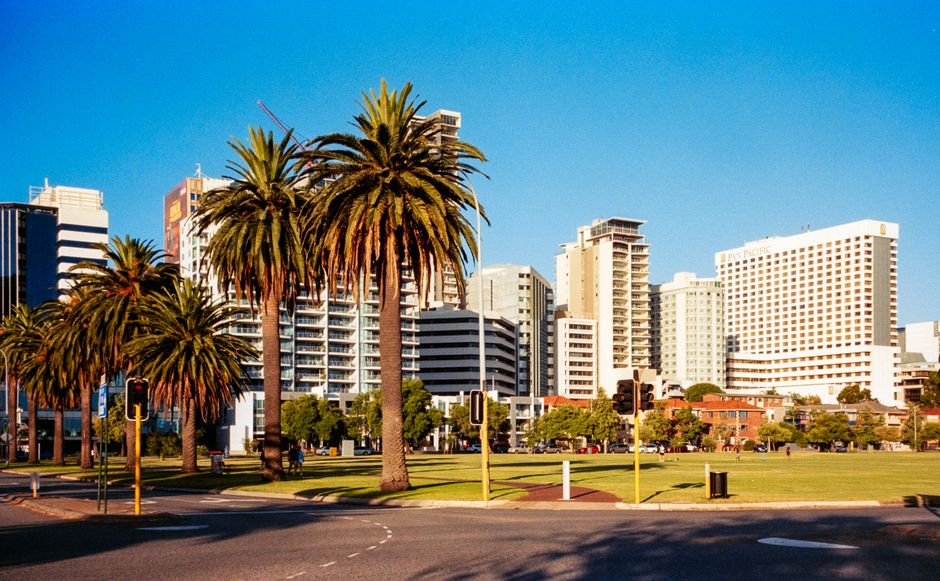
Perth's housing market is experiencing a significant surge, with the median house price reaching $650,000 in the past quarter, according to data from the Real Estate Institute of Western Australia.
This trend matters now because it reflects the broader economic shifts in Western Australia, driven by the state's thriving resources sector and major defence contracts, including the AUKUS pact. The resulting influx of new residents and investment is putting pressure on the city's infrastructure and housing stock, making it essential to examine the data behind the boom. The WA Labor government's efforts to address these challenges, including the Metronet rail expansion and investments in affordable housing, will be crucial in shaping the city's future.
In Perth, neighbourhoods like Subiaco and Fremantle are seeing significant redevelopment, with projects like the Subiaco Square redevelopment and the Fremantle Harbour redevelopment transforming the urban landscape. Organisations like the City of Perth and the Metropolitan Redevelopment Authority are playing key roles in shaping the city's growth, with initiatives like the Perth City Link project and the Riverside redevelopment. Meanwhile, streets like St Georges Terrace and Hay Street are experiencing increased commercial activity, driven by the growth of the resources and defence sectors.
A closer examination of the data reveals some striking statistics. For example, the average rental yield for apartments in the Perth CBD is currently around 4.5%, according to data from CoreLogic, with the median apartment price sitting at $420,000. In contrast, suburbs like Scarborough and Cottesloe are seeing significant growth in median house prices, with increases of 15% and 12% respectively over the past year, driven by their proximity to the coast and desirable lifestyle. The state government's investment in infrastructure, including the $1.1 billion Metronet expansion, is expected to further drive growth in these areas.
Looking ahead, it's essential for buyers, renters, and investors to understand the numbers behind the market. With the state budget surplus expected to reach $2.5 billion by 2027, according to Treasury forecasts, there may be opportunities for further investment in housing and infrastructure. Additionally, the Indian Ocean Strategy, which aims to promote economic growth and cooperation in the region, may also have implications for Perth's property market. As the city continues to evolve, staying informed about the data and statistics driving the market will be crucial for making informed decisions.
Spread the word
About this article
Published by The Daily Perth
Stay in the loop
Daily brief
Free, in your inbox before 7am. Weekdays.
The Daily Network — local news across Australia
More local news across Australia