By the Numbers: Perth's Duplicate Image Problem Is Bigger Than Anyone Admitted
New data tracking duplicate and low-quality images across WA government and council digital archives reveals a storage and cost blowout hiding in plain sight.
3 min read
New data tracking duplicate and low-quality images across WA government and council digital archives reveals a storage and cost blowout hiding in plain sight.
3 min read
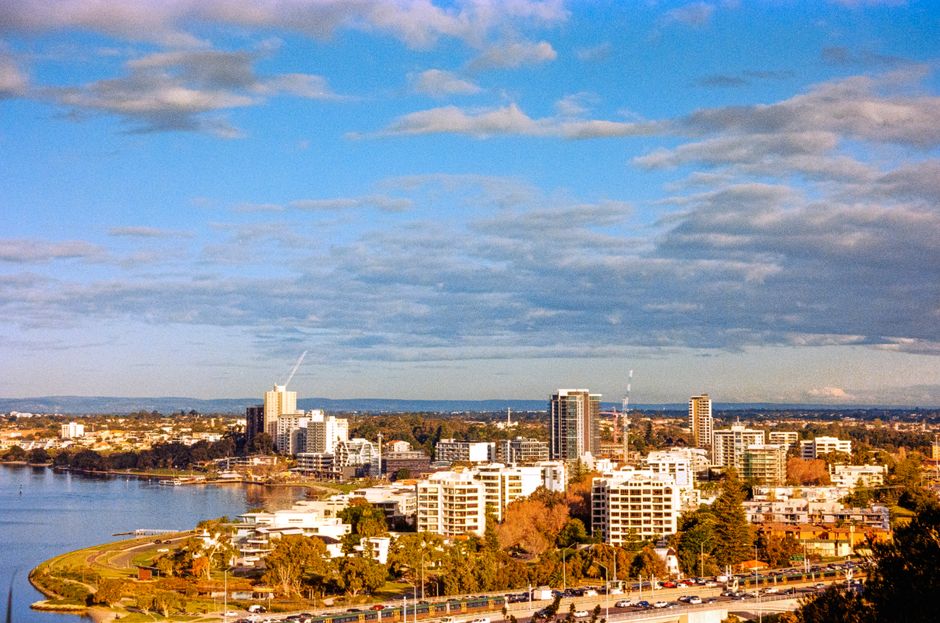
Western Australian local governments and state agencies are sitting on digital image libraries bloated with duplicate files — some collections carrying duplication rates above 40 percent — driving unnecessary cloud storage costs and slowing the rollout of public-facing digital services across Greater Perth.
The issue has sharpened in 2026 because of two colliding pressures: the Cook government's push to digitise planning and approvals workflows under its ePlanning reform agenda, and a surge in development applications tied to Metronet corridor rezoning around stations including Morley, Ellenbrook and Yanchep. Each new development submission arrives bundled with site photographs, architectural renders and heritage images. Without automated deduplication protocols, councils are storing the same file multiple times across different submission portals.
A benchmarking exercise conducted across several local government digital asset management systems in 2025 — details of which were presented at the Local Government Professionals Australia WA conference in Perth earlier this year — found that duplicated image files accounted for between 28 and 44 percent of total storage volume in the councils surveyed. The City of Stirling and the City of Swan were among the metropolitan councils grappling with the highest development application volumes, making them particularly exposed to the accumulation problem.
Cloud storage pricing in the Australian market currently sits around AUD $0.025 per gigabyte per month for standard tiers on major platforms. For an agency holding 50 terabytes of image data — not an unusual figure for a mid-sized WA state department managing asset photography and geographic information system layers — that translates to roughly $15,000 a month in storage costs alone. If 35 percent of that volume is duplicate or near-duplicate imagery, the redundant spend approaches $5,250 every month, or more than $63,000 annually per agency.
Across the 30-odd metropolitan and regional councils in the Perth metropolitan area, and factoring in state-level holdings at agencies including the Department of Planning, Lands and Heritage and Main Roads WA, the aggregate waste figure runs into the millions of dollars per year. That estimate is conservative and based on publicly available cloud pricing schedules, not internal government contracts, which are typically negotiated at discounted enterprise rates.
Perth added more than 70,000 residents in the 2024–25 financial year, driven by interstate migration and a sustained inflow of skilled workers tied to AUKUS defence contracts, LNG project construction and iron ore operations in the Pilbara. Every new resident creates downstream demand for planning approvals, building permits and land title transactions — all of which generate image records. Subiaco's council chambers, the Joondalup Civic Centre and the planning counters at the MRA-successor body for Cockburn and Rockingham have all seen application queues lengthen through 2025 and into this year.
Automated deduplication tools have been commercially available for years. Perceptual hashing algorithms can identify visually identical or near-identical images even when file names and metadata differ — a common scenario when the same photograph is uploaded by different parties to the same application. The cost of implementing such a system across a council IT environment typically runs between $20,000 and $80,000 depending on the size of the existing archive and integration complexity, according to publicly available vendor pricing from providers active in the Australian government procurement market.
The State Records Office of Western Australia maintains guidelines on digital asset retention under the State Records Act 2000, but those guidelines do not currently mandate deduplication audits as part of a standard records management review cycle. That gap is where the problem compounds year on year.
For councils and agencies looking to act now, the immediate step is a storage audit using open-source tools capable of generating a duplication report against an existing image repository. The second step is establishing upload validation rules in any development application portal — rejecting or flagging files that match existing records before they enter the archive. For residents lodging planning applications in areas like Baldivis, Alkimos or Brabham, where greenfield development is still moving quickly, ensuring you submit optimised and clearly labelled image files reduces the chance your documentation sits in a queue behind a manual deduplication review.
Spread the word
About this article
Published by The Daily Perth
Stay in the loop
Daily brief
Free, in your inbox before 7am. Weekdays.
The Daily Network — local news across Australia
More local news across Australia